How to Grow Lemon Pie Feminized Cannabis Seeds
Oct
Lemon Pie is a vigorous sativa-dominant hybrid prized by growers for its energetic growth, generous yields, and exceptional resin production. Descended from Amnesia Haze and Skunk #1 genetics, this cultivar combines classic hybrid vigor with dependable cultivation characteristics, making it an excellent choice for both indoor and outdoor gardens.
Growers appreciate Lemon Pie for its strong branching, productive flower sites, and impressive harvest potential. Under stable environmental conditions, plants develop dense, trichome-rich buds with excellent bag appeal and a complex terpene profile that continues to mature throughout the flowering cycle.
Whether you’re growing Lemon Pie for the first time or adding another productive hybrid to your garden, understanding its environmental needs and growth habits will help you maximize both flower quality and final yield.
Lemon Pie at a Glance
| Growing Characteristic | Details |
|---|---|
| Seed Type | Feminized |
| Genetics | Amnesia Haze × Skunk #1 |
| Type | Sativa-Dominant Hybrid |
| Grow Difficulty | Medium |
| Indoor Height | Medium |
| Outdoor Height | Medium |
| Flowering Time | 9–10 Weeks |
| Indoor Yield | Up to 600 g/m² |
| Outdoor Yield | Up to 600 g per plant |
| Harvest (Outdoor) | Late September |
| Best Environment | Indoor or warm Mediterranean-style climates |
Lemon Pie develops into a vigorous plant with strong lateral branching and excellent flower production. Healthy plants produce compact, resin-coated buds supported by sturdy branches capable of carrying heavy harvests through the final weeks of flowering.

Lemon Pie Genetics and Plant Characteristics
Lemon Pie combines two legendary cannabis cultivars that have earned worldwide recognition for their reliability and production.
Its parent strains include:
- Amnesia Haze
- Skunk #1
Amnesia Haze contributes vigorous vertical growth, abundant flower sites, and excellent hybrid vigor, while Skunk #1 provides dependable structure, strong branching, and consistent flower production.
Growers can typically expect:
- Fast vegetative development
- Strong branch formation
- Excellent resin production
- Dense flower clusters
- Reliable hybrid vigor
- Strong indoor and outdoor adaptability
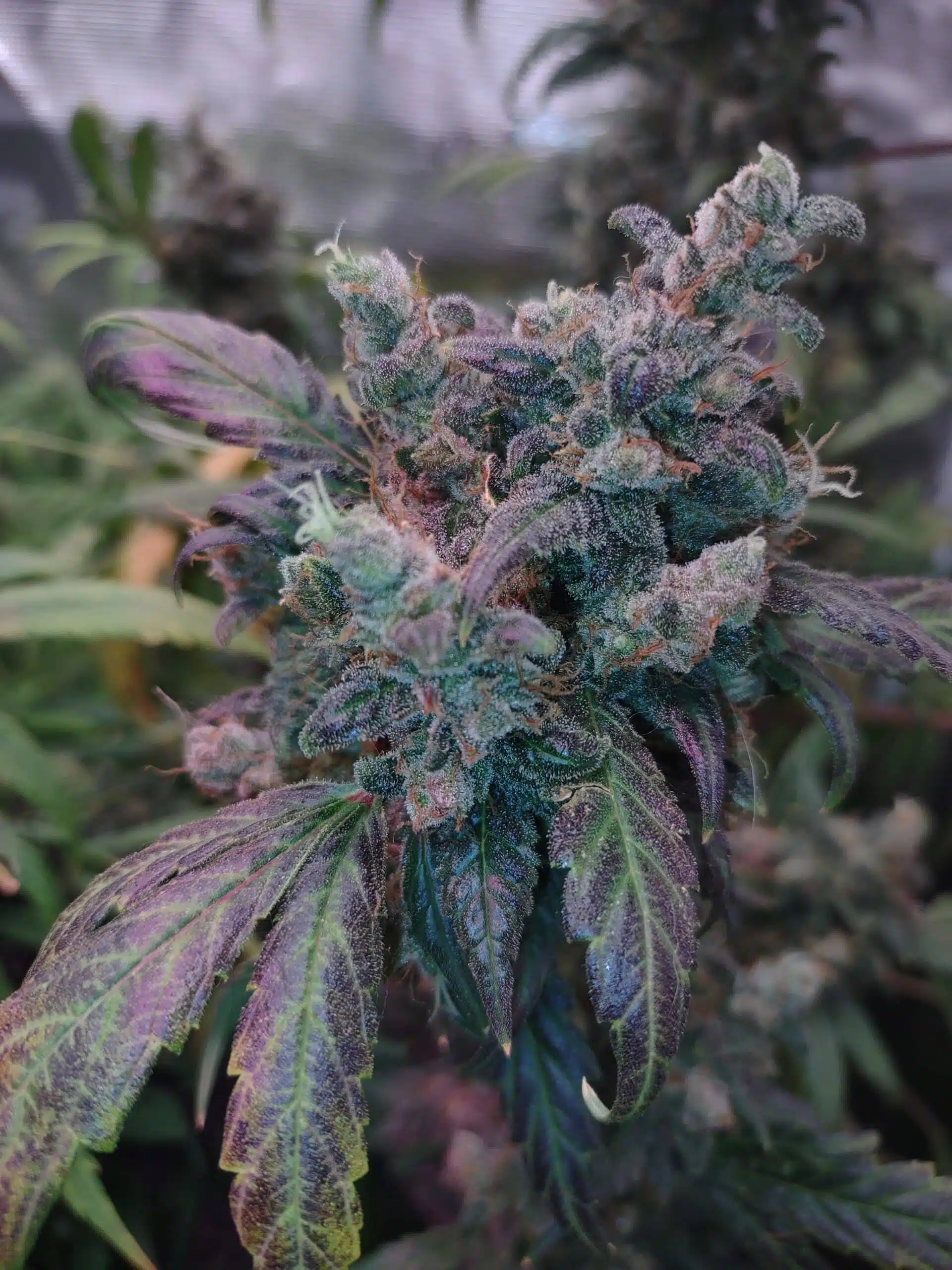
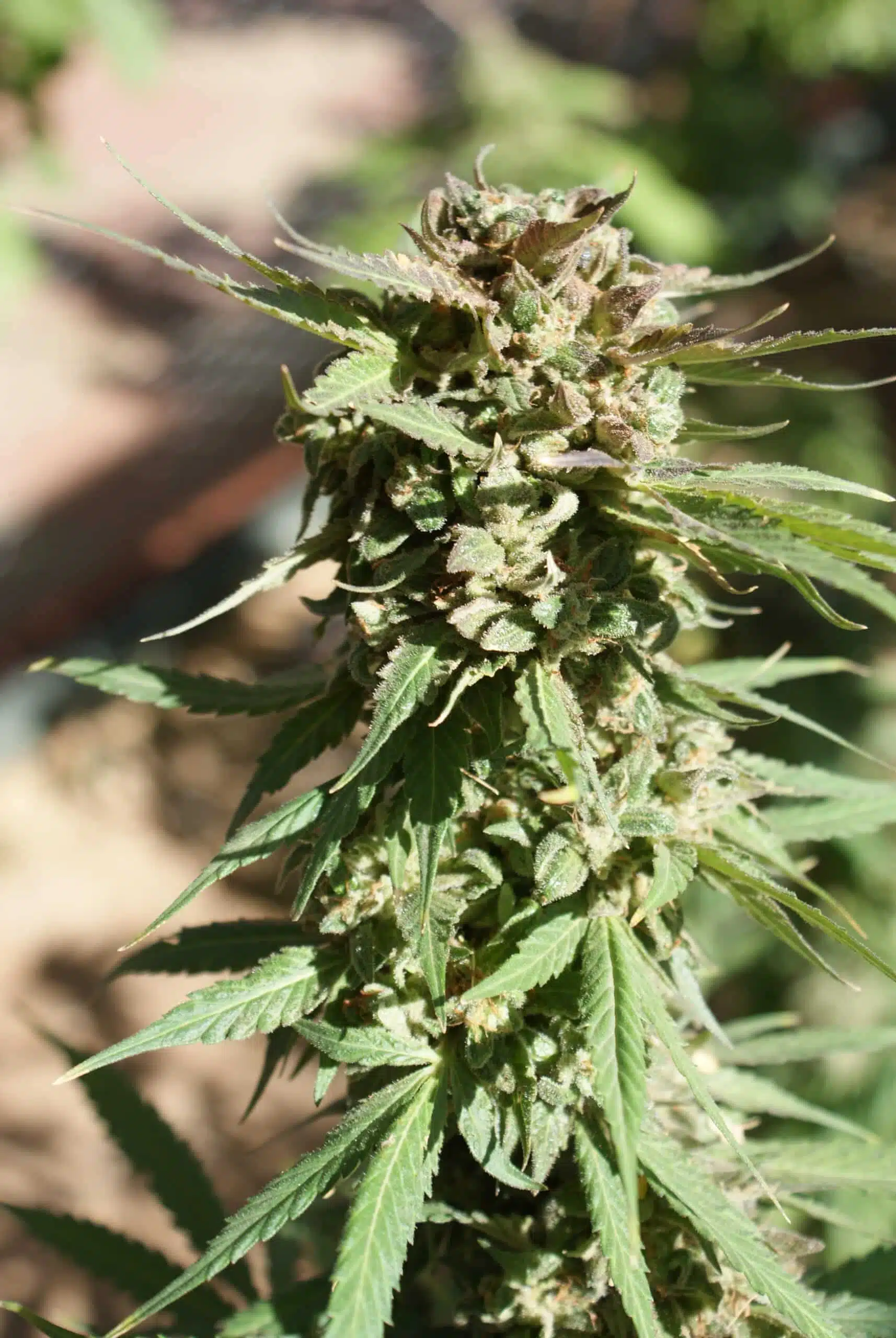
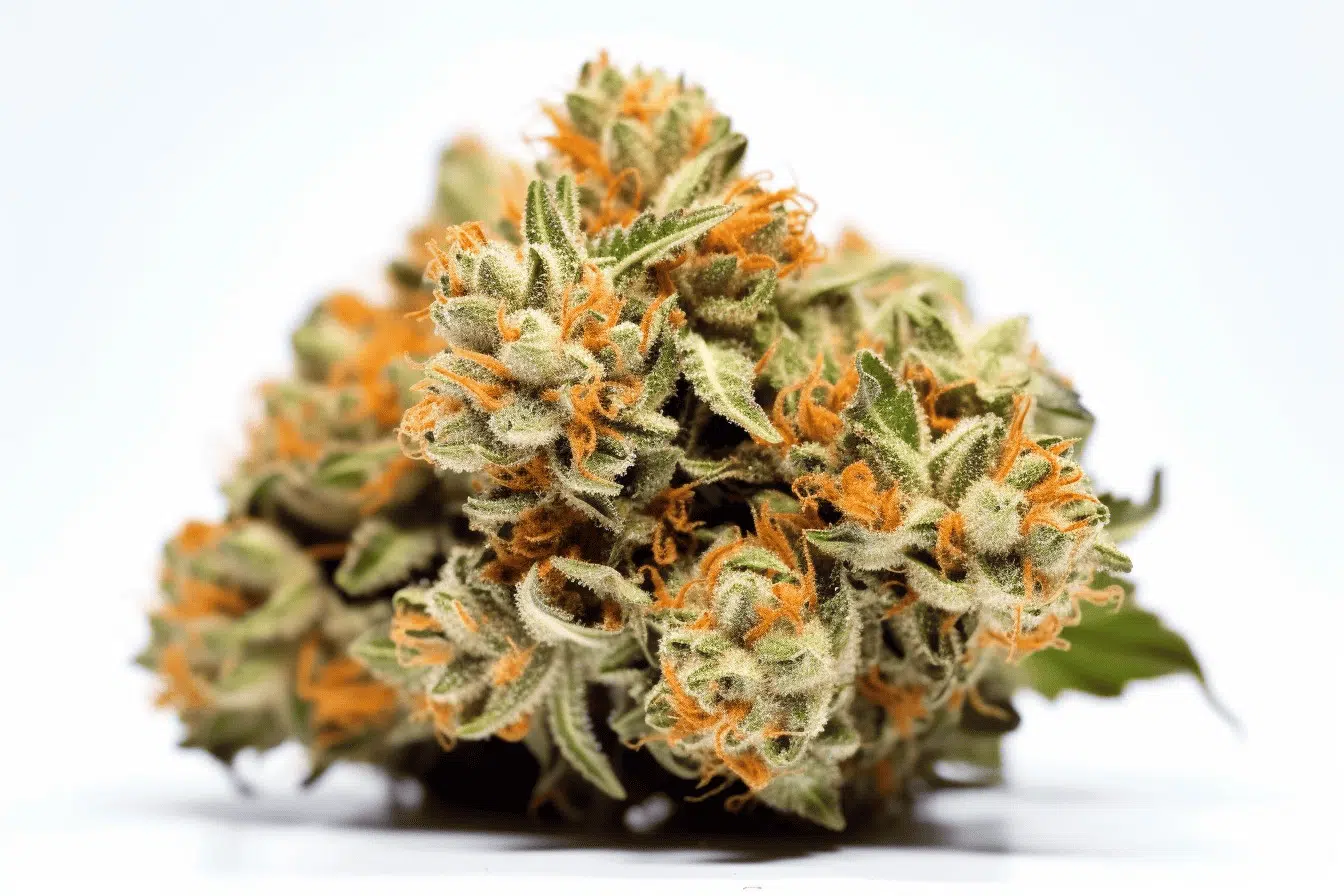
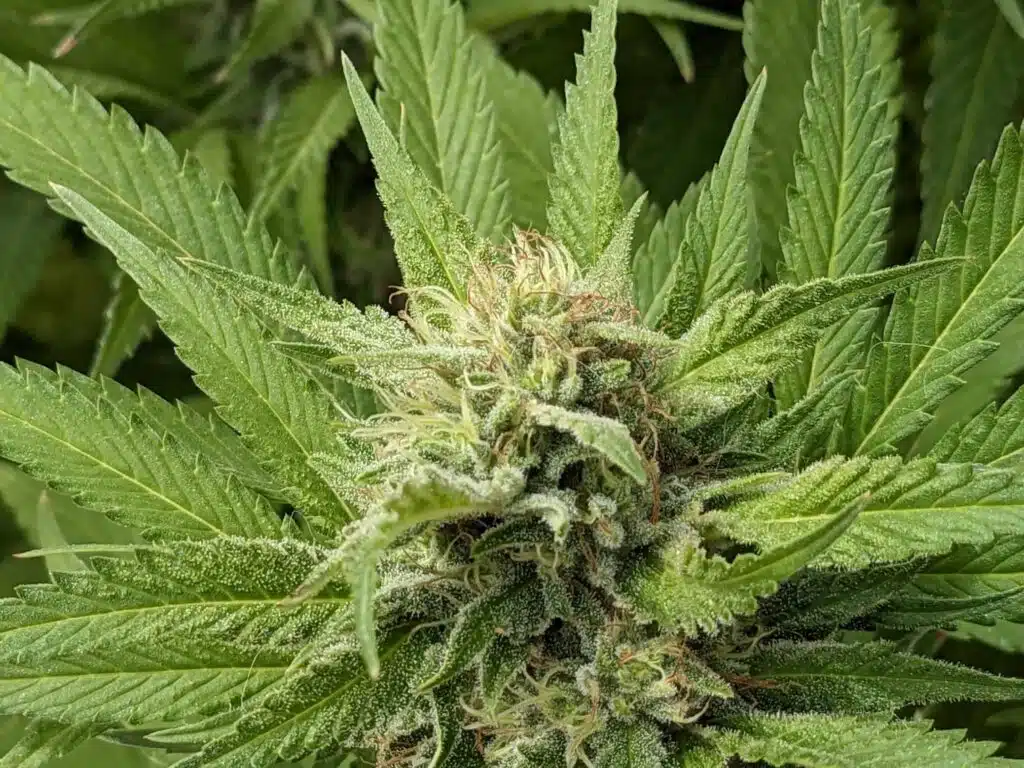
As flowering progresses, Lemon Pie develops bright green buds covered in thick layers of sparkling trichomes. Bright orange pistils weave throughout the flowers, giving mature plants outstanding visual appeal by harvest time.
Grow your own Lemon Pie Strain
- GROW DIFFICULTY MEDIUM
- FLOWERING TYPE PHOTOPERIOD
- FLOWERING TIME 9-10 WEEKS
- HARVEST TIME September
- YIELD (INDOOR) 600G/M²
- YIELD (OUTDOOR) 600G/PLANT
- HEIGHT (INDOOR) MEDIUM
- HEIGHT (OUTDOOR) MEDIUM
Growing Lemon Pie Indoors
Indoor cultivation allows growers to create the stable environment Lemon Pie prefers throughout every stage of growth.
Maintain daytime temperatures between 70°F and 80°F (21–27°C) while allowing nighttime temperatures to remain slightly cooler.
Recommended humidity levels include:
- Seedling Stage: 65–70%
- Vegetative Growth: 55–60%
- Early Flowering: 45–50%
- Late Flowering: 40–45%
Reducing humidity during flowering helps preserve dense buds while lowering the risk of mold and mildew.
Lemon Pie performs exceptionally well under modern full-spectrum LED lighting. Maintain an 18/6 light schedule during vegetative growth before switching to 12/12 to initiate flowering.
Good ventilation is equally important. Oscillating fans help strengthen stems while maintaining airflow throughout the canopy, and a properly sized exhaust system assists with controlling both temperature and humidity as flowering progresses.

Training Lemon Pie for Maximum Yields
Lemon Pie responds exceptionally well to modern plant training techniques. Proper canopy management improves light penetration, increases airflow, and encourages multiple flowering sites to mature evenly across the entire plant.
Many growers begin by topping Lemon Pie once during vegetative growth. This encourages additional side branches to develop and helps create several productive colas instead of one dominant main stem.
Low Stress Training (LST) is another excellent option. Gently bending and securing branches outward exposes more bud sites to direct light, resulting in more uniform flower development throughout the canopy.
Indoor cultivators often achieve excellent results using the Screen of Green (ScrOG) technique. Training branches beneath a screen creates an even canopy, allowing every flowering site to receive consistent light while maximizing the available grow space.
Selective defoliation during late vegetative growth and early flowering improves airflow and light penetration. Remove only larger fan leaves that shade developing bud sites while leaving enough healthy foliage to support vigorous growth.

Lemon Pie Feminized Seeds
THC: 22%
Yield: 600 Grams per plant
Flowering Time: 9 – 10 Weeks
- EXPRESS SHIPPING 1-5 DAY*
- GERMINATION GUARANTEED*
- FREE SEEDS WITH EVERY ORDER
1 Reviews
Growing Lemon Pie Outdoors
Lemon Pie performs best outdoors in regions with warm temperatures, abundant sunshine, and a long growing season.
Choose a location that receives at least six to eight hours of direct sunlight daily. Well-draining soil enriched with compost or quality organic matter encourages vigorous root development and healthy plant growth throughout the season.
Outdoor plants generally become larger than indoor specimens and benefit from generous spacing between each plant. Good airflow helps reduce humidity around dense flowers while supporting healthy development throughout flowering.
Although Lemon Pie shows good resilience in favorable conditions, extended periods of rain late in flowering can increase the risk of mold developing inside mature buds. Temporary rain protection during prolonged wet weather can help preserve flower quality without restricting airflow.
As flowering progresses, larger branches may require support to prevent bending under the weight of heavy buds. Stakes, trellis netting, or tomato cages provide excellent structural support throughout the final weeks before harvest.
Soil, Coco, or Hydroponics?
Lemon Pie adapts well to several cultivation methods, making it suitable for growers with varying levels of experience.
Organic Soil
Living organic soil remains one of the most forgiving growing mediums. Healthy soil biology supports nutrient availability while helping plants develop excellent terpene expression and vigorous root systems.
Coco Coir
Coco coir promotes rapid root growth and faster vegetative development. Although it requires more frequent irrigation and nutrient management, experienced growers often report impressive plant vigor and abundant harvests.
Hydroponics
Hydroponic cultivation can produce excellent results when environmental conditions remain stable. Proper pH management, balanced nutrient concentrations, and adequate oxygenation allow Lemon Pie to grow rapidly and produce heavy harvests.
For most home growers, either quality organic soil or coco coir offers an excellent balance between ease of cultivation, healthy plant development, and consistent yields.
Flowering Time, Yield, and Harvest
Lemon Pie rewards patient growers with generous harvests of dense, resin-rich flowers. Under ideal growing conditions, most plants complete flowering within 9–10 weeks, producing large, aromatic buds that continue to swell throughout the final stages of bloom.
Indoor growers can expect harvests of up to 600 g/m², while healthy outdoor plants commonly produce around 600 grams per plant when cultivated in full sun with proper nutrition and irrigation.
During the last two to three weeks of flowering, Lemon Pie dramatically increases resin production. Buds become firmer, heavier, and increasingly coated with sparkling trichomes as the terpene profile reaches its peak.
Rather than harvesting strictly according to flowering time, monitor the trichomes using a jeweler’s loupe or digital microscope. Most growers harvest when the majority of trichomes are cloudy with a smaller percentage beginning to turn amber.
After harvest, dry the flowers slowly in a dark room maintained at 60–70°F (15–21°C) with approximately 60% relative humidity. Once dried, cure the buds in airtight glass jars for several weeks, opening the jars briefly each day during the first week to release excess moisture. Proper curing allows Lemon Pie to fully develop its citrus-forward terpene profile while preserving overall flower quality.
Common Growing Challenges
Lemon Pie is considered a dependable cultivar, but maintaining consistent growing conditions helps maximize both yield and flower quality.
Strong Aroma During Flowering
As flowering progresses, Lemon Pie develops an increasingly powerful citrus aroma. Indoor growers should consider using a quality carbon filter and adequate ventilation to help manage odor throughout late bloom.
Overfeeding
Lemon Pie responds well to balanced nutrition but typically performs better with gradual increases in fertilizer rather than aggressive feeding. Monitor leaves regularly for early signs of nutrient burn.
Dense Canopy
Healthy plants can become bushy during vegetative growth. Light defoliation and branch management improve airflow and allow more light to reach lower flowering sites.
Humidity Management
Dense flowers benefit from lower humidity during late bloom. Maintaining humidity between 40–45% during flowering helps reduce the likelihood of mold or mildew developing inside mature buds.
Is Lemon Pie Suitable for Beginners?
Yes. Lemon Pie is a rewarding cultivar for beginners who maintain a stable growing environment while also offering enough vigor and productivity to satisfy experienced growers.
Growers appreciate Lemon Pie for its:
- Reliable feminized genetics
- Vigorous vegetative growth
- Strong lateral branching
- Heavy trichome production
- Excellent response to topping and LST
- Large harvest potential
- Reliable indoor and outdoor performance
With proper environmental management and routine plant care, Lemon Pie consistently produces attractive, resin-rich flowers with excellent bag appeal.
Frequently Asked Questions
Is Lemon Pie easy to grow?
Lemon Pie is considered a medium-difficulty strain that grows reliably when provided with stable temperatures, moderate humidity, and balanced nutrition.
Can Lemon Pie be grown outdoors?
Yes. Lemon Pie performs exceptionally well outdoors in warm climates with long sunny days and well-draining soil.
How long does Lemon Pie flower?
Most Lemon Pie plants complete flowering within 9–10 weeks, with outdoor harvests typically taking place during late September.
Does Lemon Pie respond well to training?
Yes. Lemon Pie performs exceptionally well with topping, Low Stress Training (LST), and the Screen of Green (ScrOG) method, all of which improve canopy efficiency and maximize yield.
What makes Lemon Pie popular with growers?
Growers value Lemon Pie for its vigorous growth, dependable harvests, excellent resin production, strong citrus terpene profile, and outstanding bag appeal.
Grow Premium Lemon Pie Feminized Cannabis Seeds
Every successful grow begins with premium genetics. Even the most advanced growing setup cannot replace high-quality seeds.
At The Seed Fair, our Lemon Pie Feminized Cannabis Seeds are selected for strong germination, vigorous growth, and dependable performance in both indoor and outdoor gardens. With proper cultivation techniques, growers can expect healthy plants, dense trichome-covered flowers, and generous harvests season after season.
Whether you’re growing Lemon Pie for the first time or adding another productive hybrid to your collection, starting with premium feminized genetics gives you the best possible foundation for a successful harvest.

Alexander Broodryk is a very skilled grower and has been writing about his experiences online for many years. With over 5 years in the Cannabis Industry Alexander is not only engaging with many of his audiences but also informational. Alex has a lot of writings about Cannabis all over online and we are very happy to have him here at The Seed Fair helping to contribute his well thorough content for our website. He is dedicated to educating readers on the latest developments and trends in this rapidly evolving market. Check out his biography under our Author pages at Alexander Broodryk, Author at The Seed Fair.