
Blue Cannabis Strains
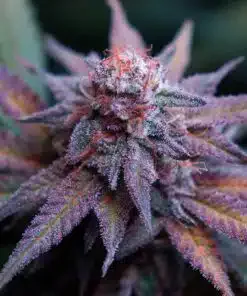
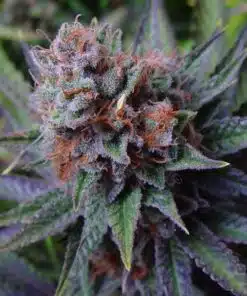
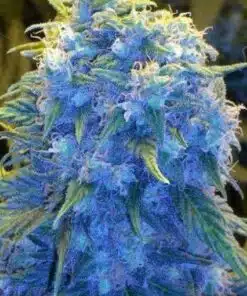
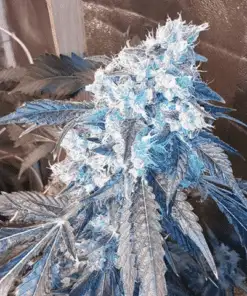
Blue cannabis strains bring together a diverse group of genetics known for distinctive names, colorful lineage histories, and in some cultivars, the potential for blue, violet, or deep purple pigmentation.
The category extends well beyond a single strain family. While Blueberry has influenced many famous cultivars, modern blue-named genetics can come from different breeding backgrounds and vary considerably in plant structure, flowering time, cannabinoid profile, terpene characteristics, and growing difficulty.
Browse the collection below to compare blue cannabis genetics by lineage, THC and CBD profile, plant height, flowering time, yield potential, and indoor or outdoor suitability.
Showing all 33 results

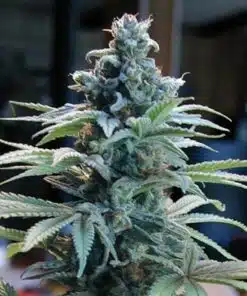
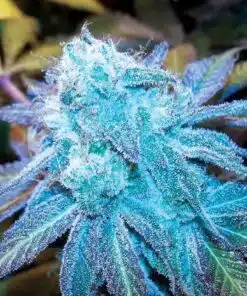
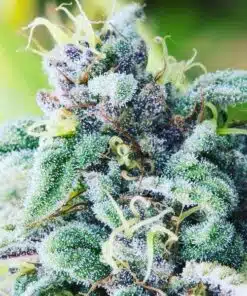
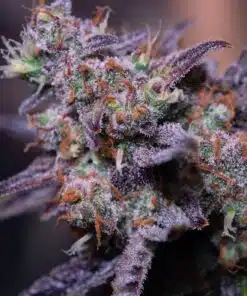
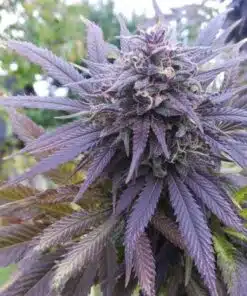
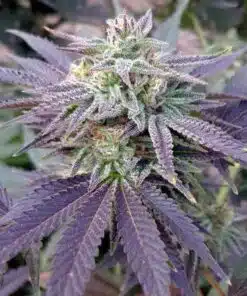
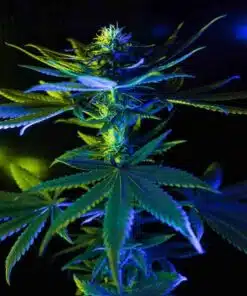
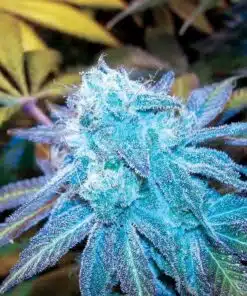
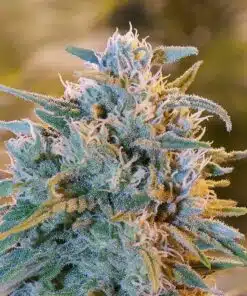
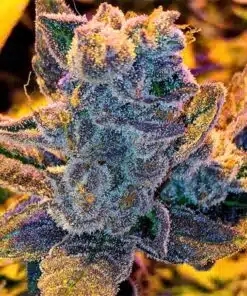
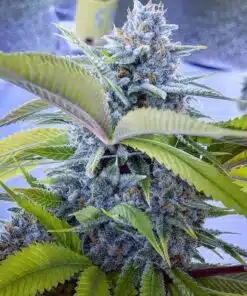
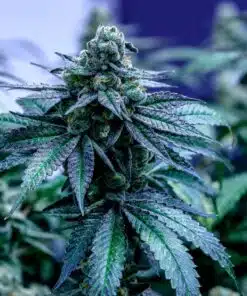
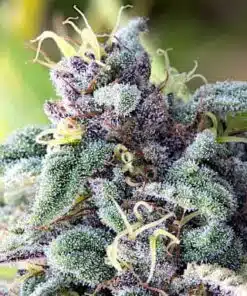
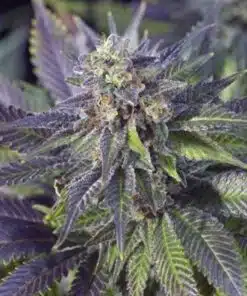
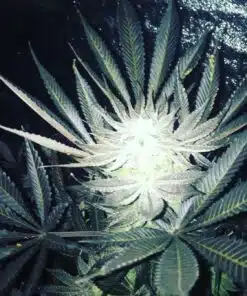
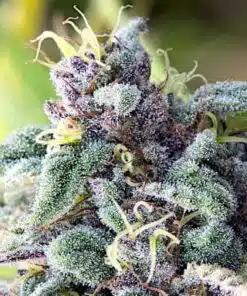
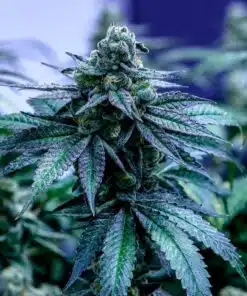
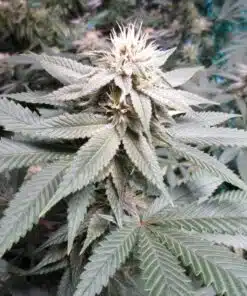
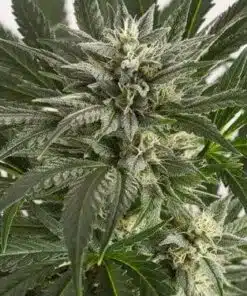
What Are Blue Cannabis Strains?
Blue cannabis strains are a diverse group of cultivars associated with blue-named genetics, distinctive breeding lines, or the potential to develop blue, violet, and purple pigmentation.
The category is not a formal botanical classification. A strain does not automatically belong here simply because a plant shows temporary color changes, and not every blue-named cultivar will produce visibly blue flowers.
Depending on the genetics, these strains may be:
- Indica-dominant
- Sativa-dominant
- Balanced hybrids
- Feminized
- Autoflowering
- Photoperiod-dependent
The individual strain profile remains the most reliable way to compare products.
Are All Blue Strains Related to Blueberry?
No. This is an important distinction.
Blueberry is one of the most influential and recognizable names associated with blue cannabis genetics, and its lineage appears in numerous later crosses. However, it is inaccurate to claim that every modern blue strain descends from Blueberry.
Some cultivars have direct or indirect Blueberry influence. Others use the word “blue” because of naming conventions, breeder selections, visual traits, or entirely different genetic backgrounds.
For this reason, growers should review the stated lineage of each product instead of assuming a shared ancestry.
Why Can Some Cannabis Plants Turn Blue?
Blue, purple, and violet coloration is associated with plant pigments called anthocyanins. These naturally occurring compounds are found throughout the plant kingdom and can contribute to visible pigmentation in genetically capable cannabis plants.
Color expression can be influenced by several factors:
- Genetics
- Plant maturity
- Temperature
- Environmental conditions
- Pigment concentration
Genetics are the foundation. Cold temperatures alone cannot reliably turn an ordinary green cultivar blue, and deliberately stressing plants with extreme cold can damage growth.
If visual pigmentation is your main priority, you may also want to explore our collection of purple cannabis genetics, where color potential is a more central selection trait.
How to Choose Blue Cannabis Genetics
The name or color potential should not be the only reason to select a strain.
Genetic Lineage
Check whether the cultivar has documented Blueberry ancestry, another established breeding background, or a more modern hybrid lineage.
Plant Structure
Some varieties remain short and compact, while others develop taller branching and greater flowering stretch.
Flowering Time
Compare the listed bloom period with your available schedule and outdoor season.
Cannabinoid Profile
THC and CBD levels vary widely. A blue name does not indicate a specific potency range.
Terpene Characteristics
Depending on the genetics, aromatic profiles may include berry, fruit, earth, spice, pine, citrus, or other combinations.
Yield Potential
Use yield estimates to compare products, but remember that final production depends on environment, light, root health, nutrition, plant size, and grower experience.
Growing Blue Strains Indoors
Indoor cultivation gives growers more direct control over environmental conditions, which can be useful when working with genetics selected partly for pigmentation or specific growth traits.
Important factors include:
- Stable temperature
- Appropriate humidity
- Air circulation
- Light intensity
- Plant spacing
- Root-zone health
Avoid forcing color through excessive cold. Healthy plants and suitable genetics matter more than dramatic temperature manipulation.
Growers building or improving a controlled setup can find more detail in our complete indoor cultivation resource, including guidance on environment, airflow, limited spaces, odor control, and optimization.
Growing Blue Strains Outdoors
Outdoor performance depends on the cultivar and local climate.
Before choosing a strain, consider:
- Season length
- Expected harvest window
- Temperature range
- Autumn rainfall
- Humidity
- Mature plant height
- Flowering duration
Some blue genetics may finish comfortably in cooler regions, while longer-flowering cultivars require a warmer and more extended season.
Feeding and Plant Health
There is no universal nutrient schedule for blue cannabis strains.
Feeding requirements depend on the cultivar, growing medium, plant size, growth stage, and environment. Applying excessive nutrients in an attempt to increase color can create deficiencies, toxicities, or root-zone problems.
Watch the plant rather than the name of the category. Leaf appearance, growth rate, substrate conditions, and overall vigor provide better information than assuming every blue cultivar is a heavy feeder.
For growers troubleshooting discoloration that may be confused with natural pigmentation, our cannabis plant problem-solving guide explains common deficiencies, environmental stress, and other issues that can alter leaf appearance.
Blue vs Purple Cannabis Strains
The categories can overlap, but they are not identical.
Some blue strains may develop violet or purple coloration, while some purple cultivars have no connection to blue-named genetics. Both groups can include indica, sativa, and hybrid backgrounds.
The best approach is to compare lineage and product characteristics rather than choosing solely by color terminology.
Shop Blue Cannabis Strains
Browse the products above to compare blue cannabis genetics by lineage, THC and CBD profile, terpene characteristics, flowering time, plant height, yield potential, growing difficulty, and indoor or outdoor suitability.
Choose according to the complete strain profile and your actual growing conditions. Color can be an attractive characteristic, but genetics, climate compatibility, flowering time, and plant structure should guide the final decision.