Complete Guide to Cannabis Nutrients & Feeding (NPK, Calcium, Magnesium, Iron, Potassium & Organic Fertilizers)

Jun
Cannabis cultivation is fundamentally a nutritional process. Every stage of plant development—from early root formation to final flower production—is driven by how effectively the plant can absorb and utilize nutrients from its growing medium.
Unlike many garden crops, cannabis is highly sensitive to nutrient balance. Small changes in pH, feeding strength, or mineral availability can quickly lead to visible stress symptoms such as yellowing leaves, slowed growth, weak stems, or reduced bud production. At the same time, optimal feeding strategies can dramatically increase yield, terpene development, and overall plant health.
Understanding cannabis nutrients is not just about applying fertilizer. It is about managing a complete biological system that includes soil chemistry, root health, microbial life, and nutrient uptake efficiency.
This guide covers everything you need to know about cannabis nutrients and feeding, including macronutrients (NPK), secondary nutrients like calcium and magnesium, micronutrients such as iron, organic fertilizer strategies, nutrient deficiencies, and feeding optimization across all growth stages.
Understanding Cannabis Nutrients (The Foundation of Plant Growth)
Cannabis plants rely on a structured nutrient system that is typically divided into three categories:
-
Macronutrients (NPK)
These are required in the largest quantities and form the foundation of plant growth:
- Nitrogen (N) – drives leaf growth, chlorophyll production, and vegetative development
- Phosphorus (P) – supports root expansion and flower formation
- Potassium (K) – regulates water movement, enzyme activity, and bud development
These three elements are often labeled as NPK on fertilizer products, and they directly determine plant size, structure, and flowering performance.
-
Secondary Nutrients
These are required in moderate amounts but are essential for plant stability:
- Calcium (Ca) – strengthens cell walls and supports structural integrity
- Magnesium (Mg) – central component of chlorophyll and photosynthesis
- Sulfur (S) – supports protein synthesis and terpene development
Secondary nutrients often determine whether a plant remains structurally strong or becomes weak and prone to stress. Because calcium and magnesium deficiencies frequently appear together and can produce similar symptoms, growers may find it helpful to compare both nutrients side by side in our guide to Cal-Mag deficiency in cannabis, which explains how to recognize and correct calcium and magnesium imbalances.
-
Micronutrients
These are required in very small amounts but still critical:
- Iron (Fe)
- Zinc (Zn)
- Manganese (Mn)
- Boron (B)
- Copper (Cu)
Even slight micronutrient imbalances can disrupt new growth and chlorophyll formation.
Cannabis Feeding Basics (How Nutrients Are Absorbed)
Cannabis plants absorb nutrients through their root system, but uptake depends heavily on environmental conditions—especially pH and soil structure.
Nutrient Uptake is Controlled By:
- Soil or medium pH levels
- Water quality (tap vs RO water)
- Root oxygen availability
- Microbial activity in soil
- Temperature and humidity stability
If any of these factors fall out of balance, nutrients may still exist in the growing medium but become unavailable to the plant, a condition known as nutrient lockout. When plants begin showing deficiency symptoms despite being fed correctly, it often indicates an uptake problem rather than a lack of nutrients. Learn more about identifying and correcting cannabis nutrient lockout.
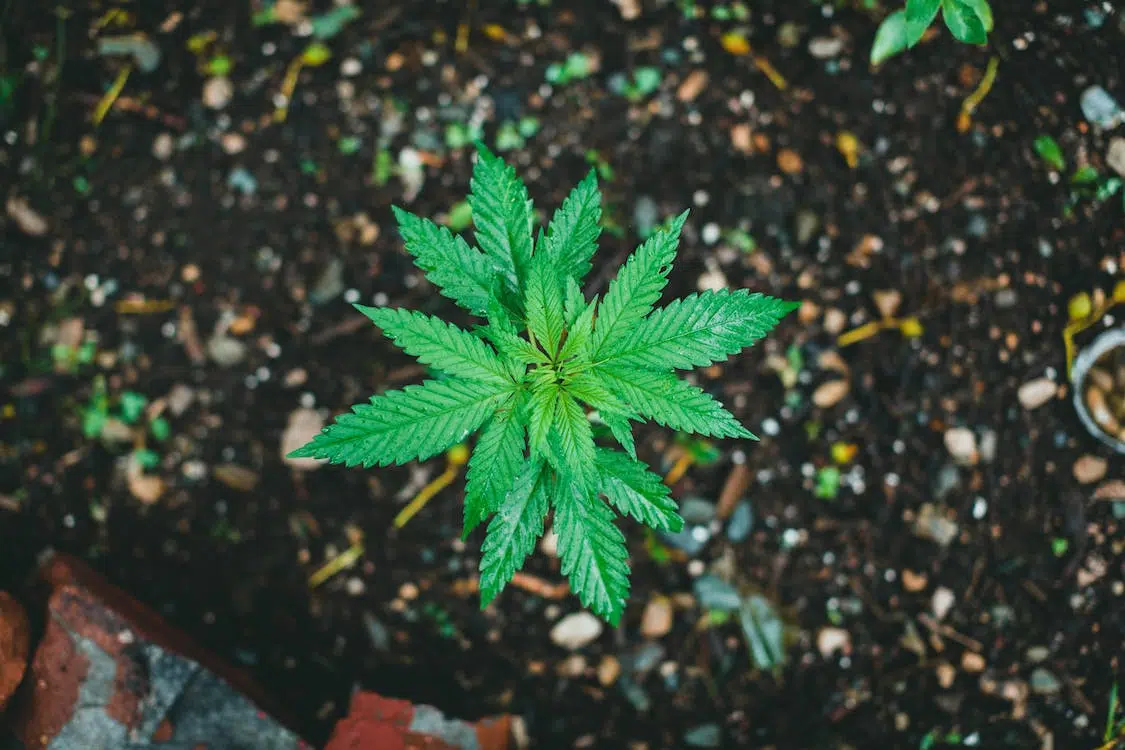
This is why experienced growers focus not only on feeding schedules but also on root zone health and soil biology.
Cannabis Feeding Stages (Vegetation vs Flowering Nutrition)
Cannabis nutrient requirements change significantly across its life cycle.
Seedling Stage (Low Feeding Demand)
At this stage, cannabis plants require minimal nutrients. Overfeeding is one of the most common early mistakes.
Key focus:
- Light nutrient exposure
- High humidity support
- Minimal fertilizer use
- Stable root development
Seedlings are highly sensitive to nutrient burn.
Vegetative Stage (High Nitrogen Demand)
The vegetative stage is where cannabis builds its structure—stems, branches, and large fan leaves.
Key nutrient focus:
- High nitrogen (N)
- Moderate phosphorus (P)
- Moderate potassium (K)
This stage determines final plant size and yield potential.
Signs of proper feeding:
- Rapid vertical and lateral growth
- Deep green leaves
- Strong stem development
Flowering Stage (Phosphorus & Potassium Focus)
During flowering, nutrient priorities shift significantly.
Key focus:
- Reduced nitrogen
- Increased phosphorus and potassium
- Stable calcium and magnesium levels
This stage is responsible for bud development, resin production, and terpene formation.
Too much nitrogen during flowering can reduce flower quality, delay maturity, and contribute to excessively dark foliage and poor flower development. If plants have already been overfed, learn how to identify and correct nitrogen toxicity in cannabis before the problem becomes more severe.
Organic Cannabis Feeding Systems
Organic feeding focuses on building living soil rather than directly feeding the plant.
Why Organic Feeding Matters
Organic systems:
- Improve microbial life in soil
- Release nutrients slowly over time
- Reduce risk of nutrient burn
- Improve terpene and flavor profiles
- Enhance long-term soil fertility
Instead of instantly available nutrients, organic systems rely on microbial breakdown.
Common Organic Fertilizers for Cannabis
Bone Meal
High in phosphorus, supports flowering and root strength.
Kelp Meal
Rich in micronutrients and growth hormones that improve stress resistance.
Blood Meal
High nitrogen source for vegetative growth.
Fish Meal
Balanced nutrient profile supporting early plant development.
Bat Guano
Complete nutrient source used for flowering enhancement.
Compost
Full-spectrum soil builder that improves microbial life.
Wood Ash
Potassium source that also helps regulate soil pH.
Epsom Salt
Provides magnesium for chlorophyll and photosynthesis support.
Organic feeding is not about speed—it is about stability and long-term plant health.
Cannabis Nutrient Deficiencies (Diagnosis & Meaning)
Nutrient deficiencies are one of the most important diagnostic tools in cannabis cultivation. Each deficiency reveals a specific imbalance in plant nutrition or environmental conditions.
Calcium Deficiency (Structural Weakness)
Calcium is responsible for building strong plant structure.
Symptoms:
- Twisted new growth
- Weak stems
- Brown spots on leaves
- Root weakness
Common Causes:
- Incorrect pH
- Overwatering
- Poor-quality water (RO systems)
- Nutrient lockout
Magnesium Deficiency (Chlorophyll Breakdown)
Magnesium is essential for photosynthesis.
Symptoms:
- Yellowing between leaf veins
- Brown leaf edges
- Older leaves affected first
- Reduced energy production
Common Causes:
- Coco or inert growing mediums
- Cal-mag imbalance
- pH issues
- Low mineral water
Iron Deficiency (New Growth Chlorosis)
Iron affects new growth development.
Symptoms:
- Yellow new leaves
- Green veins remain visible
- Stunted shoots
- Pale or white growth
Common Causes:
- High pH levels
- Cold root zones
- Distilled water
- Excess phosphorus
Potassium Deficiency (Energy Transport Issues)
Potassium regulates plant energy and water movement.
Symptoms:
- Brown leaf edges
- Dry, brittle leaves
- Weak flowering development
- Burn-like spotting
Common Causes:
- Nutrient imbalance
- pH lockout
- Excess calcium or magnesium
- Poor feeding schedule
Nitrogen Deficiency (Vegetative Slowdown)
Nitrogen drives leafy growth and chlorophyll production.
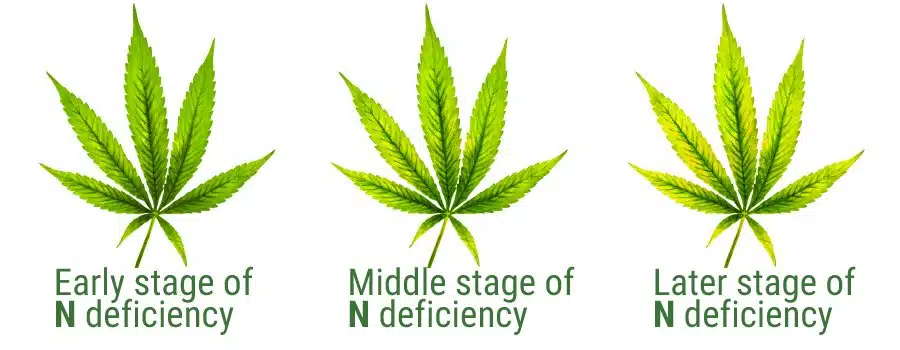
Symptoms:
- Yellowing lower leaves
- Slow growth
- Leaf drop during flowering
- Weak structure
Important Note:
Some nitrogen loss during flowering is natural, but excessive deficiency reduces yield.
Nutrient Lockout (The Hidden Cause of Most Problems)
One of the most misunderstood issues in cannabis nutrition is nutrient lockout.
This occurs when nutrients are present but cannot be absorbed.
Causes of Lockout:
- Incorrect pH levels
- Excess fertilizer salts
- Competing nutrients (Ca vs Mg, P vs Fe)
- Poor drainage
- Root oxygen deprivation
Result:
Plants show deficiency symptoms even when nutrients are present in soil.
This is why correcting pH often fixes “deficiencies” faster than adding more nutrients.
Feeding Strategies for Healthy Cannabis Growth
Successful feeding is not about maximum nutrients—it is about balance and timing.
Key Feeding Principles:
- Start light and increase gradually
- Match nutrients to growth stage
- Avoid overfeeding
- Monitor pH regularly
- Maintain soil biology health
- Use runoff testing to detect buildup
Watering and Feeding Balance
Water plays a critical role in nutrient transport.
- Overwatering reduces oxygen availability
- Underwatering prevents nutrient movement
- Poor drainage leads to salt buildup
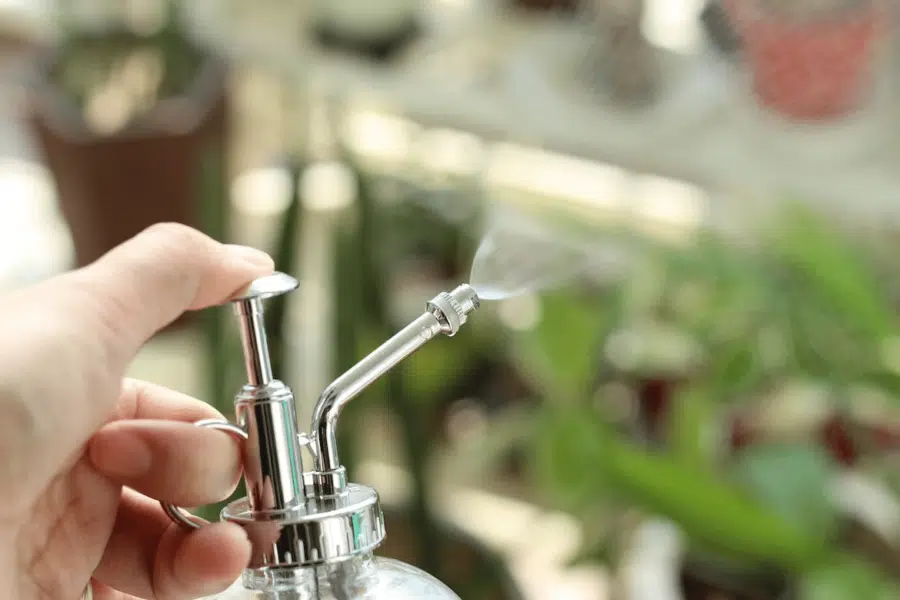
Balanced irrigation ensures nutrients reach the root system efficiently.
Environmental Influence on Nutrient Uptake
Nutrient absorption is directly affected by environmental conditions.
Key environmental factors:
- Temperature stability
- Humidity control
- Light intensity
- Root zone oxygenation
- Air circulation
Stressful environments reduce nutrient uptake even when feeding is correct.
Preventing Cannabis Nutrient Problems
Prevention is more effective than correction in cannabis cultivation.
Best practices:
- Maintain pH between 5.5–6.5 depending on medium
- Use high-quality soil or coco blends
- Avoid nutrient overload
- Flush excess salts periodically
- Use organic amendments for stability
- Monitor plant behavior daily
Healthy plants show consistent color, structure, and growth rate.
Final Takeaway
Cannabis nutrients and feeding are not isolated actions—they are part of a complete biological system that includes soil chemistry, root health, microbial life, and environmental stability.
The key to successful cultivation is not simply feeding more, but feeding correctly.
When nutrients are balanced and properly absorbed, cannabis plants respond with:
- Faster and stronger growth
- Improved structural integrity
- Higher resin production
- Better terpene profiles
- Increased yield quality
Ultimately, mastering cannabis nutrients means mastering the foundation of the entire growing process.
A well-fed plant is not just healthier—it is genetically capable of reaching its full potential.

Alexander Broodryk is a very skilled grower and has been writing about his experiences online for many years. With over 5 years in the Cannabis Industry Alexander is not only engaging with many of his audiences but also informational. Alex has a lot of writings about Cannabis all over online and we are very happy to have him here at The Seed Fair helping to contribute his well thorough content for our website. He is dedicated to educating readers on the latest developments and trends in this rapidly evolving market. Check out his biography under our Author pages at Alexander Broodryk, Author at The Seed Fair.