Best Outdoor Cannabis Strains: How to Choose the Right Seeds for Your Climate
May
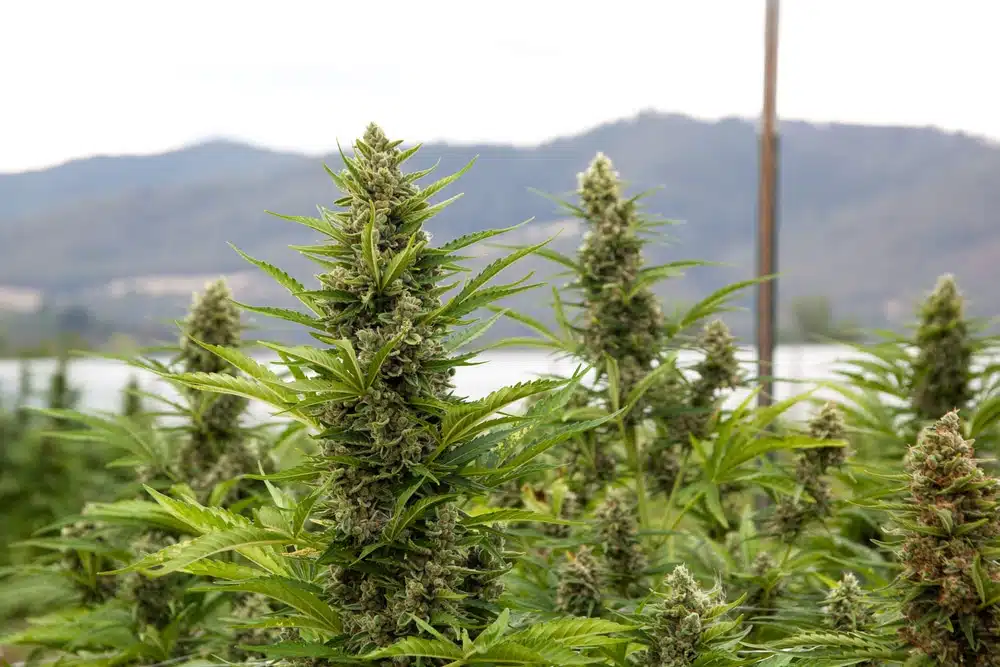
Growing cannabis outdoors remains one of the most rewarding ways to cultivate healthy, vigorous plants. With abundant natural sunlight, unrestricted root development, and a full growing season, outdoor cannabis can produce impressive yields while developing rich terpene profiles and dense, resin-covered flowers.
Success outdoors, however, begins long before your seeds germinate.
Choosing the right cannabis strain for your local climate has a bigger impact on your harvest than almost any nutrient schedule or growing technique. Some varieties thrive in hot, dry summers, while others handle cooler temperatures, high humidity, or shorter growing seasons far better.
If you’ve ever wondered why one grower harvests massive outdoor plants while another struggles with mold, pests, or immature buds, genetics are often the biggest reason.
This guide explains how to choose the best outdoor cannabis strains, what characteristics to look for, and which genetics consistently perform well across different environments. Whether you’re planting your first outdoor garden or looking to improve your next harvest, understanding strain selection will help you grow with greater confidence.
Why Genetics Matter for Outdoor Growing
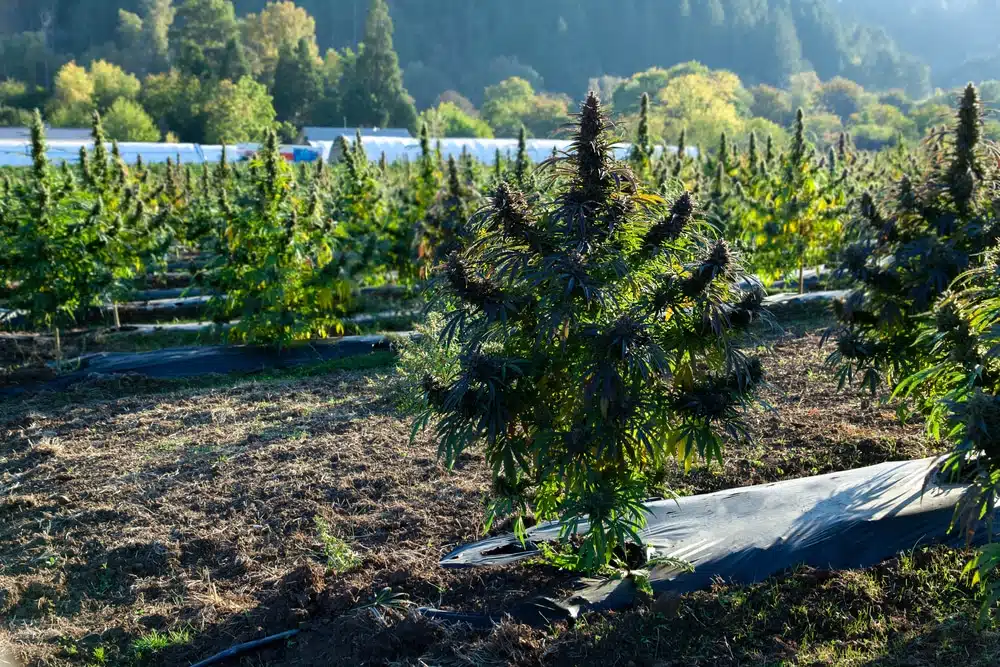
Indoor growers can control almost every aspect of their environment, including temperature, humidity, lighting, and airflow. Outdoor growers don’t have that luxury.
Instead, outdoor cultivation depends on working with nature rather than trying to control it.
Rainfall, changing temperatures, humidity, wind, pests, and seasonal daylight all influence how your plants develop throughout the growing season.
Some cannabis strains naturally handle these conditions better than others.
For example, certain indica varieties finish flowering early enough to avoid autumn rain, while many sativa-dominant genetics require long, warm seasons to reach their full potential.
Likewise, some strains have excellent resistance to mold and mildew, making them ideal for humid climates, while others perform best in dry environments where fungal diseases are less common.
Selecting genetics that match your local conditions often results in:
- Healthier plants
- Faster growth
- Better resistance to pests and disease
- Larger harvests
- Higher-quality flowers
- Less maintenance throughout the season
Good genetics cannot completely overcome poor growing conditions, but they give your garden a much stronger foundation from the very beginning.
What Makes a Cannabis Strain Good Outdoors?
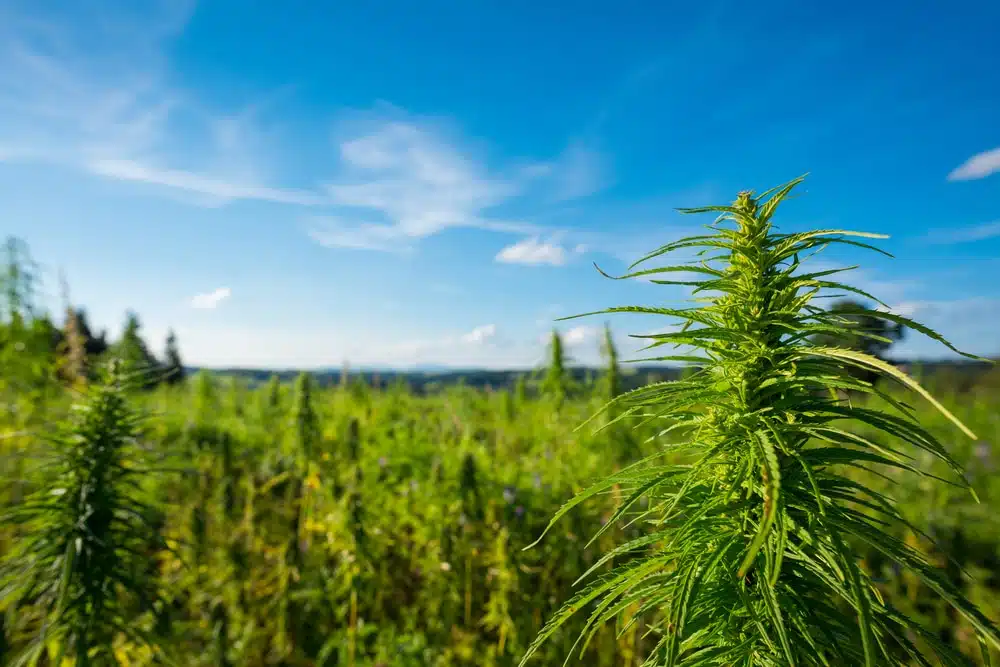
Not every strain performs equally well outside. While almost any cannabis plant can survive under favorable conditions, the best outdoor varieties typically share several important characteristics.
Strong Disease Resistance
Outdoor cannabis is constantly exposed to moisture, changing weather, insects, and airborne pathogens.
Genetics with natural resistance to common problems like powdery mildew, bud rot, and mold are often easier to grow successfully.
This becomes especially important during late flowering when dense buds can trap moisture after heavy rain or cool nights.
If you live in a region with frequent rainfall or high humidity, choosing mold-resistant genetics can make the difference between harvesting healthy flowers and losing much of your crop.
Flowering Time
Flowering time should always match your local growing season.
Growers in northern regions usually benefit from strains that finish relatively early before cold temperatures and autumn storms arrive.
Conversely, growers in warmer climates with long summers can successfully cultivate longer-flowering sativa varieties that require additional weeks to fully mature.
Understanding your area’s average first frost date helps determine whether a particular strain is suitable for outdoor cultivation.
Climate Adaptability
Cannabis genetics originated in many different parts of the world.
Afghan indica genetics evolved in cooler mountain regions.
Many classic sativa varieties originated in warm tropical climates.
Modern hybrids combine traits from both families, creating plants that adapt well to a wider variety of environments.
Choosing strains that naturally fit your climate reduces stress and often produces healthier plants throughout the growing season.
Yield Potential
One reason many growers choose outdoor cultivation is the opportunity for significantly larger harvests.
With unrestricted root growth and full sunlight, outdoor cannabis plants often become much larger than indoor plants.
High-yield genetics can reward growers with substantial harvests when grown under favorable conditions.
While genetics certainly influence yield potential, proper watering, nutrition, sunlight, and overall plant health remain equally important.
Ease of Growing
Some strains recover quickly from beginner mistakes.
Others require more attention throughout their life cycle.
If you’re new to outdoor cultivation, selecting hardy genetics that tolerate environmental fluctuations and minor feeding mistakes usually leads to a much more enjoyable growing experience.
Choosing the Right Outdoor Strain for Your Climate
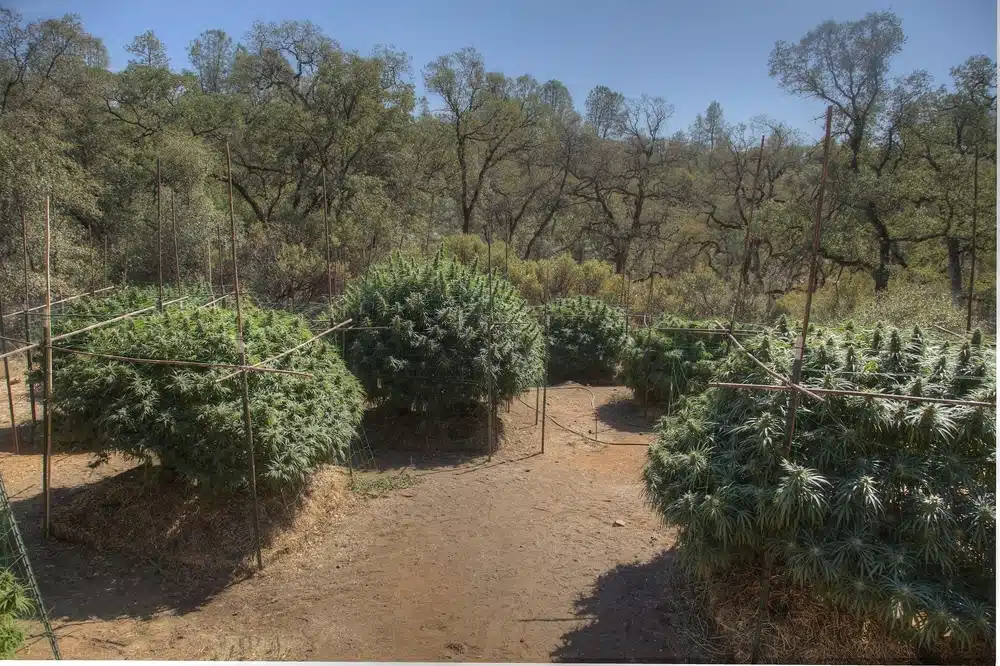
The strongest cannabis strain isn’t always the best outdoor choice.
Instead, focus on selecting genetics that naturally suit your growing environment.
Warm and Dry Climates
Regions with long summers, low humidity, and abundant sunshine allow growers to cultivate many classic sativa and hybrid varieties.
Excellent choices include:
- Durban Poison
- Jack Herer
- Sour Diesel
- Super Silver Haze
- AK-47
These strains appreciate long periods of sunlight and generally tolerate warmer temperatures very well.
Cooler Northern Climates
Growers living in Canada and northern regions often face shorter summers and earlier autumn weather.
Fast-finishing strains usually produce the most reliable results.
Popular choices include:
- Northern Lights
- White Widow
- Blueberry
- Critical Mass
- AK-47
These varieties typically complete flowering before prolonged cold weather becomes a problem.
Humid Climates
High humidity increases the risk of bud rot and fungal diseases.
Look for strains known for better airflow between buds and stronger mold resistance.
Reliable outdoor performers include:
- White Widow
- Durban Poison
- Frisian Dew
- AK-47
- Early Skunk
Proper pruning and airflow remain important regardless of genetics.
Short Growing Seasons
If your outdoor season is limited, autoflowering varieties can be an excellent option.
Unlike photoperiod cannabis, autoflowers flower according to age rather than daylight hours, allowing growers to harvest much earlier.
Many modern autoflowers finish within 8 to 12 weeks from seed, making them ideal for northern climates or growers seeking multiple outdoor harvests each season.
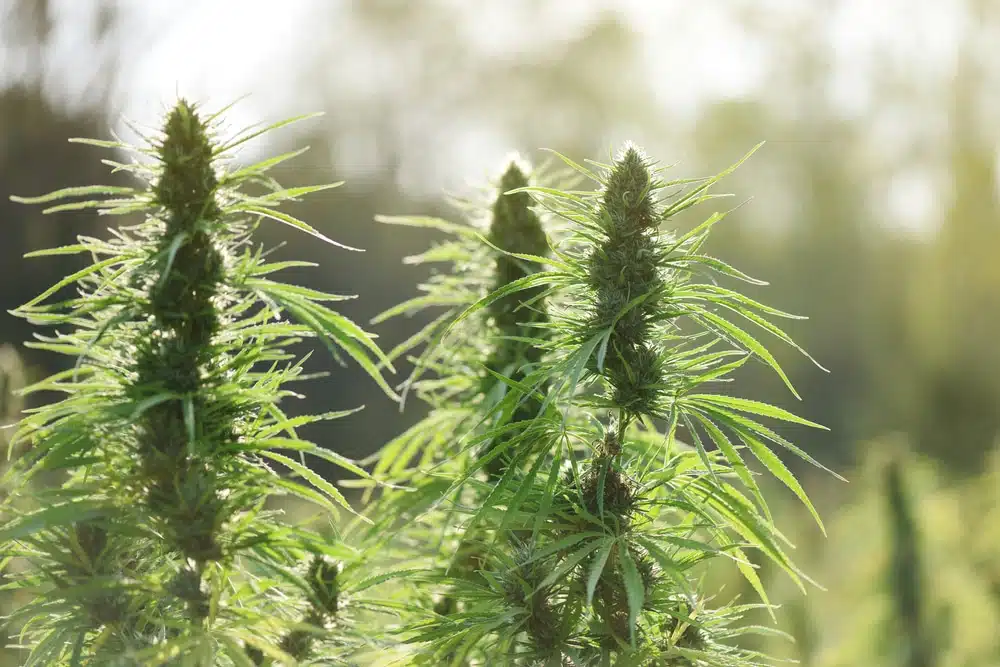
Best Outdoor Cannabis Strains for Beginners
Some strains have earned a reputation for being forgiving, reliable, and consistently productive outdoors.
These genetics continue performing well even if conditions aren’t always perfect.
Northern Lights
Northern Lights remains one of the most recommended strains for first-time growers.
Its hardy genetics, relatively short flowering time, and natural resistance to common growing issues make it an excellent outdoor choice.
Many growers appreciate its compact structure, manageable size, and dependable yields.
Northern Lights performs particularly well in cooler climates where shorter flowering periods become an advantage.
White Widow
White Widow has remained popular for decades because of its adaptability.
It tolerates a wide range of growing conditions while producing dense, resin-rich flowers with consistent quality.
Outdoor growers appreciate its balanced growth pattern and resistance to many common environmental stresses.
White Widow also responds well to basic pruning techniques, making it suitable for growers still developing their cultivation skills.
AK-47
Despite its intimidating name, AK-47 has become one of the most beginner-friendly hybrid strains available.
Its vigorous growth, reliable flowering time, and strong disease resistance make it particularly well suited for outdoor gardens.
Growers looking for additional cultivation advice can also explore our complete guide on How to Grow AK-47, where we cover everything from germination and feeding schedules to harvest timing and post-harvest curing.
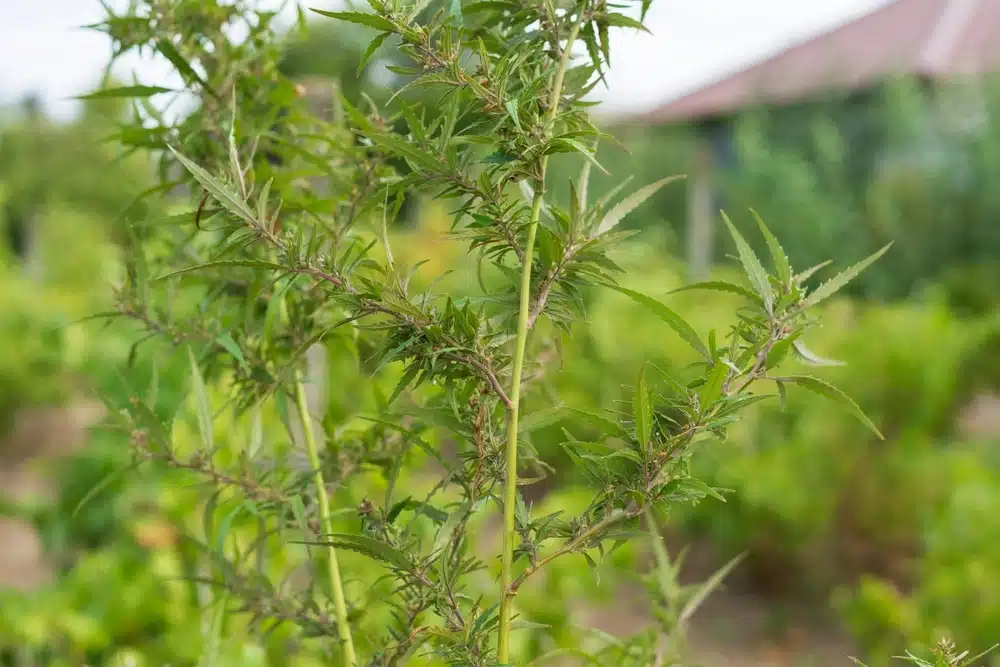
Best Outdoor Cannabis Strains for Hot and Dry Climates
Growers in regions with long, sunny summers have access to some of the widest variety of outdoor cannabis genetics. Warm temperatures, low humidity, and extended daylight allow many sativa-dominant cultivars to fully mature before harvest.
The biggest challenge in hot climates is usually keeping plants adequately watered while preventing heat stress during the hottest parts of summer.
Durban Poison
Durban Poison has earned a reputation as one of the best outdoor cannabis strains for warm climates.
Originating as a South African landrace, it naturally thrives in sunny conditions with long growing seasons. Its vigorous growth, resistance to pests, and relatively short flowering time make it an excellent choice for outdoor gardens.
Growers appreciate Durban Poison for its dependable harvests and strong resistance to environmental stress.
Best suited for:
- Warm climates
- Long summers
- Beginner to intermediate growers
Jack Herer
Jack Herer performs exceptionally well outdoors when given plenty of sunlight.
Its vigorous sativa growth allows large plants to develop over the growing season while producing generous yields of resin-rich flowers.
Because it stretches considerably during vegetative growth, Jack Herer benefits from regular pruning and branch support later in flowering.
Ideal for:
- Mediterranean climates
- Southern growing regions
- Large outdoor gardens
Sour Diesel
Sour Diesel is another excellent outdoor performer where summers remain warm well into autumn.
This strain develops large plants with excellent vigor and rewards growers with substantial harvests when provided with proper nutrition and full sun.
Although flowering takes slightly longer than many hybrids, growers with extended seasons often find the extra wait worthwhile.
Best Outdoor Cannabis Strains for Cooler Climates
Not every grower enjoys six months of warm weather.
Across Canada and northern regions of the United States, shorter summers require genetics that flower quickly while remaining resilient during changing weather conditions.
Fortunately, many outstanding strains were specifically bred with these environments in mind.
Northern Lights
Northern Lights continues to be one of the safest recommendations for cooler climates.
Its relatively fast flowering time allows growers to harvest before heavy autumn rain becomes a problem.
Its sturdy genetics also help it tolerate cool nighttime temperatures better than many tropical varieties.
Blueberry
Blueberry has remained popular among outdoor growers for decades.
Besides its distinctive aroma and colorful flowers, Blueberry finishes early enough to suit many northern climates.
Healthy outdoor plants often develop beautiful purple hues as temperatures begin cooling near harvest.
AK-47
AK-47 continues to perform well across a wide range of outdoor environments.
Its balanced hybrid genetics combine respectable mold resistance with reliable flowering times, making it suitable for growers who experience unpredictable late-season weather.
White Widow
White Widow’s adaptability is one of the reasons it remains one of the world’s most widely grown cannabis strains.
Outdoor growers appreciate its ability to tolerate temperature swings while maintaining excellent resin production throughout flowering.
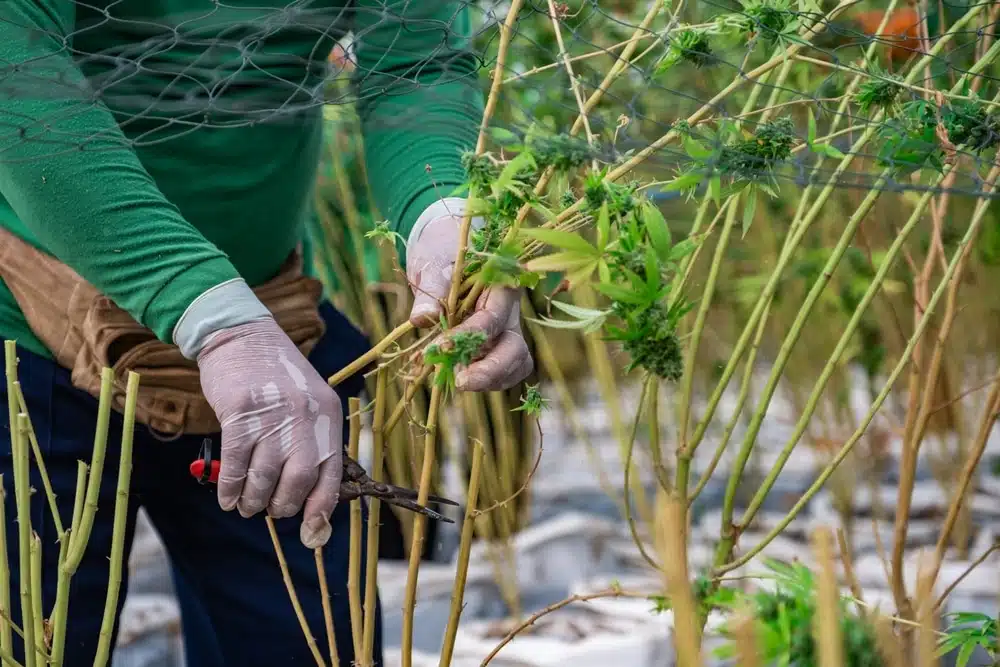
Best Outdoor Cannabis Strains for Humid Climates
Humidity creates one of the biggest challenges for outdoor cannabis growers.
Dense flowers that remain wet after rain or morning dew can become vulnerable to mold, bud rot, and mildew if airflow is poor.
Choosing mold-resistant genetics significantly reduces these risks.
White Widow
White Widow’s open plant structure helps improve airflow between branches.
Combined with routine pruning, this characteristic makes it an excellent option for growers dealing with humid summers.
Durban Poison
Unlike many dense indica varieties, Durban Poison develops a more open canopy that dries faster after rainfall.
This natural structure helps reduce moisture retention within flowering sites.
Frisian Dew
Frisian Dew was specifically developed for outdoor cultivation in cooler, wetter climates.
Its strong resistance to mold has made it particularly popular among outdoor growers across northern Europe and Canada.
Early Skunk
Early Skunk combines vigorous growth with an earlier harvest window than traditional Skunk genetics.
Finishing before prolonged autumn rain helps preserve flower quality while reducing disease pressure.
Best High-Yield Outdoor Cannabis Strains
Many growers choose outdoor cultivation because of the possibility of harvesting significantly larger plants than indoors.
When grown under ideal conditions, some genetics consistently produce exceptional yields.
Critical Mass
As its name suggests, Critical Mass was bred for production.
Large branches become covered with dense flowers that often require staking during late flowering.
Because of the weight of its buds, maintaining good airflow is especially important.
Big Bud
Big Bud has been a commercial favorite for decades.
Its genetics prioritize flower production, making it an outstanding choice for growers focused on maximizing harvest size.
Gorilla Glue #4
Gorilla Glue #4 combines heavy resin production with excellent outdoor vigor.
Healthy plants frequently develop large, dense flowers that produce impressive harvests under favorable growing conditions.
Blue Dream
Blue Dream has become one of North America’s most popular outdoor strains.
Its vigorous growth, strong branching, and consistent yields make it suitable for growers with enough space to accommodate larger plants.
Best Outdoor Autoflower Strains
Modern autoflower genetics have improved dramatically over the past decade.
Today’s autoflowers offer faster harvests, better cannabinoid production, and significantly improved yields compared to early generations.
Because they flower according to age rather than daylight hours, autoflowers provide several advantages for outdoor growers.
Benefits include:
- Earlier harvests
- Multiple outdoor harvests in one season
- Smaller, easier-to-manage plants
- Excellent choice for northern climates
- Greater flexibility with planting dates
Some of the most reliable outdoor autoflower varieties include:
- Northern Lights Autoflower
- Gorilla Glue Autoflower
- Bruce Banner Autoflower
- Blue Dream Autoflower
- AK-47 Autoflower
If your outdoor growing season is short or unpredictable, autoflowering cannabis can often provide more consistent results than traditional photoperiod strains.
Outdoor Strain Comparison
| Strain | Difficulty | Climate | Flowering | Yield |
|---|---|---|---|---|
| Northern Lights | Easy | Cool | Fast | High |
| White Widow | Easy | Most climates | Medium | High |
| AK-47 | Easy | Most climates | Medium | High |
| Durban Poison | Medium | Warm | Medium | High |
| Jack Herer | Medium | Warm | Medium-Long | High |
| Blue Dream | Medium | Warm | Medium | Very High |
| Gorilla Glue #4 | Medium | Moderate | Medium | Very High |
| Critical Mass | Easy | Moderate | Fast | Excellent |
| Big Bud | Easy | Moderate | Fast | Excellent |
Outdoor Growing Tips for Bigger Harvests
Growing outdoors allows cannabis plants to reach their full genetic potential, but even the best genetics require proper care. By paying attention to the basics throughout the growing season, you can dramatically improve both yield and flower quality.
Choose the Sunniest Location Possible
Cannabis thrives in full sunlight.
Aim for a location that receives at least 6–8 hours of direct sunlight each day, although 8–10 hours is even better during the vegetative stage.
Avoid planting near buildings, fences, or trees that create extended periods of shade.
If you’re growing in containers, one advantage is that you can move your plants to maximize sunlight throughout the season.
Start With Healthy Soil
Healthy roots produce healthy plants.
Outdoor cannabis performs best in loose, well-draining soil rich in organic matter. Many growers improve their soil before planting by adding compost, worm castings, or other organic amendments.
Good drainage is equally important.
Roots sitting in constantly wet soil are much more susceptible to disease, nutrient lockout, and poor development.
Water Deeply Rather Than Frequently
One of the biggest mistakes beginners make is watering too often.
Instead of applying small amounts every day, water deeply so moisture reaches the entire root zone.
Allow the upper portion of the soil to begin drying before watering again.
Deep watering encourages stronger root development, which helps plants tolerate hot weather much better during summer.
Feed According to Growth Stage
Cannabis requires different nutrients throughout its life cycle.
During vegetative growth, plants require more nitrogen to support rapid leaf and stem production.
As flowering begins, phosphorus and potassium become increasingly important for healthy flower development.
Rather than feeding heavily, monitor your plants regularly and adjust nutrient levels based on their appearance and growth.
Healthy green foliage usually indicates a balanced feeding program.
Improve Airflow
Fresh air is one of the best natural defenses against mold and mildew.
Remove unnecessary lower growth and lightly thin dense interior branches to improve airflow throughout the canopy.
Good spacing between plants also reduces humidity buildup around developing flowers.
This becomes especially important during late flowering when buds become much denser.
Support Heavy Branches
Large outdoor cannabis plants often produce flowers heavy enough to bend or even break branches.
Installing bamboo stakes, tomato cages, or trellis netting before flowering provides extra support and prevents branches from snapping under the weight of mature buds.
Supporting branches early is much easier than trying to repair broken limbs later in the season.
Common Outdoor Growing Mistakes
Even experienced growers continue learning every season.
Fortunately, many common mistakes are easy to avoid.
Planting Too Early
Cannabis prefers warm soil.
Planting outdoors before nighttime temperatures stabilize can stunt early growth and delay development.
Waiting an extra week often produces healthier plants throughout the season.
Choosing the Wrong Genetics
Trying to grow long-flowering tropical sativas in northern climates often results in immature flowers before frost arrives.
Always select genetics suited to your growing region.
Overwatering
Cannabis roots require oxygen as much as water.
Constantly saturated soil limits oxygen availability and encourages root diseases.
Allow the soil to partially dry between waterings.
Ignoring Pests
Outdoor gardens naturally attract insects.
Regularly inspect both the tops and undersides of leaves for signs of spider mites, aphids, caterpillars, or other pests.
Catching problems early makes them much easier to manage.
Harvesting Too Early
Patience usually rewards growers.
Many first-time growers harvest when buds appear finished, even though the trichomes haven’t fully matured.
Waiting until most trichomes become cloudy with a small percentage turning amber often results in better cannabinoid and terpene development.
Harvesting Outdoor Cannabis
Harvest timing has a significant influence on the final quality of your flowers.
Rather than relying solely on flowering time estimates, inspect your plants closely during the final weeks.
Signs that harvest is approaching include:
- Mostly cloudy trichomes
- Some amber trichomes developing
- Darkened, curled pistils
- Dense, swollen buds
- Slower water consumption
- Fading fan leaves
Using a jeweler’s loupe or handheld microscope makes it much easier to monitor trichome maturity.
Different growers harvest at slightly different stages depending on personal preference, but most aim for predominantly cloudy trichomes with a small percentage turning amber.
Drying and Curing Your Harvest
Growing healthy cannabis plants is only part of the process.
Proper drying and curing help preserve aroma, flavor, and cannabinoid content.
After harvesting:
- Trim large fan leaves.
- Hang branches upside down in a cool, dark room.
- Maintain temperatures around 60–70°F (15–21°C).
- Keep humidity between 55–60%.
- Ensure gentle airflow without blowing directly on the flowers.
Drying usually takes 7–14 days depending on environmental conditions.
Once smaller stems snap instead of bending, transfer the buds into airtight glass jars.
Open the jars daily during the first week to release excess moisture, then gradually reduce how often you “burp” the jars over the following weeks.
A proper cure significantly improves flavor, aroma, and overall smoking quality.
Frequently Asked Questions
What is the easiest cannabis strain to grow outdoors?
Many growers consider Northern Lights, White Widow, and AK-47 among the easiest outdoor strains because of their hardy genetics, relatively short flowering times, and resistance to common growing problems.
Which cannabis strain produces the biggest outdoor yields?
High-yielding genetics such as Big Bud, Critical Mass, Blue Dream, and Gorilla Glue #4 can produce exceptionally large harvests when grown under ideal outdoor conditions.
Are autoflowers good for outdoor growing?
Yes. Modern autoflower strains are an excellent option for outdoor cultivation, especially in regions with shorter growing seasons. Because they flower according to age rather than daylight hours, they often finish before poor autumn weather arrives.
What is the best outdoor strain for beginners?
Northern Lights is widely regarded as one of the best beginner-friendly outdoor strains thanks to its forgiving nature, fast flowering time, and dependable performance in many climates.
Can I grow cannabis outdoors in Canada?
Yes. Many growers across Canada successfully cultivate cannabis outdoors by selecting genetics with shorter flowering times and good resistance to cooler temperatures and late-season moisture.
Does outdoor cannabis produce more than indoor cannabis?
Under ideal growing conditions, outdoor plants often produce significantly larger harvests because they receive unrestricted root space and abundant natural sunlight.
Final Thoughts
Choosing the best outdoor cannabis strain starts with understanding your local climate rather than simply selecting the highest THC percentage or the newest variety.
Genetics that naturally match your environment generally produce healthier plants, require less maintenance, and reward growers with larger, higher-quality harvests.
Whether you’re cultivating in a warm southern climate, a cooler northern region, or somewhere with higher humidity, selecting the right strain gives your garden a significant advantage from the very beginning.
Once you’ve chosen suitable genetics, focus on providing healthy soil, consistent watering, proper nutrition, and good airflow throughout the growing season. Small improvements made consistently often have a greater impact than expensive equipment or complicated growing techniques.
At The Seed Fair, we offer a wide selection of premium feminized and autoflower cannabis seeds suited to a variety of outdoor growing conditions. From beginner-friendly classics to high-yield hybrids, choosing stable genetics is one of the best investments you can make for a successful harvest.
Happy growing!

Alexander Broodryk is a very skilled grower and has been writing about his experiences online for many years. With over 5 years in the Cannabis Industry Alexander is not only engaging with many of his audiences but also informational. Alex has a lot of writings about Cannabis all over online and we are very happy to have him here at The Seed Fair helping to contribute his well thorough content for our website. He is dedicated to educating readers on the latest developments and trends in this rapidly evolving market. Check out his biography under our Author pages at Alexander Broodryk, Author at The Seed Fair.