
Regular Cannabis Seeds
Regular cannabis seeds are a practical choice for growers who want access to naturally occurring male and female plants. Unlike feminized seeds, regular seeds are not specifically bred to produce predominantly female plants, making them especially useful for breeding projects, phenotype selection, pollen collection, and preserving valued genetics.
Explore The Seed Fair’s selection of regular cannabis seeds from a range of indica, sativa, and hybrid genetic backgrounds. Compare available strains by growth characteristics, flowering time, yield potential, cannabinoid profile, and other features to find options suited to your cultivation goals.
Showing all 24 results

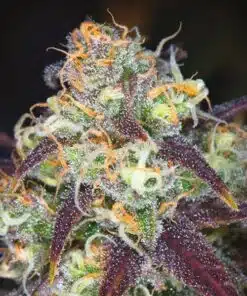
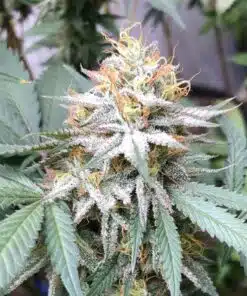
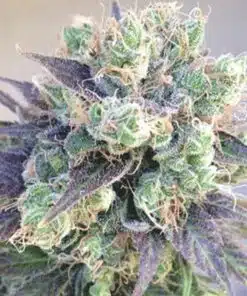
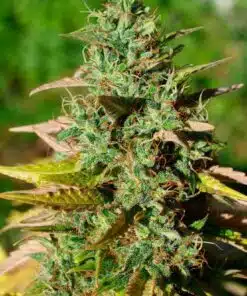
What Are Regular Cannabis Seeds?
Regular cannabis seeds are produced through pollination between male and female parent plants. As a result, the seeds can develop into either male or female plants.
This is the main distinction between regular and feminized seeds. Feminized seeds are bred to greatly increase the likelihood of female plants, while a regular seed population can contain both sexes. The exact outcome of any individual seed cannot be guaranteed simply by looking at it before germination.
For many growers, that natural variation is the reason to choose regular genetics. Access to both male and female plants can be valuable for breeding, selecting parent plants, preserving genetic lines, and exploring variation within a strain population.
Regular seeds are therefore not necessarily “better” than feminized or autoflower seeds. They serve a different purpose.
Why Do Growers Choose Regular Seeds?
Regular cannabis seeds appeal to several types of growers, particularly those interested in working more directly with cannabis genetics.
Common reasons for choosing regular seeds include:
- Access to both male and female plants
- Breeding and controlled pollination projects
- Selecting parent plants based on desirable characteristics
- Exploring phenotype variation within a genetic line
- Maintaining selected plants as mothers or fathers
- Producing seeds for future genetic projects
- Working with strains available primarily in regular form
For a grower focused only on producing female flowering plants, feminized seeds may offer a more convenient route. For someone interested in breeding, selection, or access to male plants, regular seeds can be the more appropriate choice.
Regular Seeds vs Feminized Seeds
The biggest difference between regular and feminized cannabis seeds is the expected sex distribution of the resulting plants.
Regular seeds can produce male or female plants. Feminized seeds are bred to produce predominantly female plants.
That difference changes how growers plan their space.
With regular seeds, plants generally need to be monitored as they mature so males and females can be identified. If the objective is to produce unseeded female flowers, unwanted male plants must be separated before significant pollen release occurs.
Feminized seeds reduce much of this sex-selection work, which is one reason they are popular with growers who want to use more of their available space for female plants.
Regular seeds, however, provide something feminized seeds generally do not: routine access to male plants for breeding and pollen-based genetic projects.
The right option depends on what you want to accomplish.
Regular Seeds vs Autoflower Seeds
Regular and autoflower are not exact opposites.
“Regular” generally refers to the expected presence of both male and female plants in a seed population. “Autoflower” refers to flowering behavior, specifically plants that begin flowering primarily according to age rather than depending entirely on a seasonal-style change in light schedule.
This distinction matters because seed terminology can overlap. Autoflower genetics may be sold in feminized or, less commonly, regular forms depending on the breeder and product.
Growers comparing the two should focus on the actual goal:
- Choose regular seeds when access to male and female plants is important.
- Choose autoflower seeds when a compact life cycle and age-driven flowering are priorities.
- Choose feminized seeds when maximizing the likelihood of female plants is the main objective.
Understanding these differences makes it easier to select a seed type based on your available space, experience, and cultivation plans.
Are Regular Cannabis Seeds Good for Breeding?
Breeding is one of the clearest reasons growers choose regular cannabis seeds.
Because a regular population can produce male and female plants, growers can evaluate potential parents and make deliberate selections based on observable characteristics. Depending on the project, those characteristics may include:
- Plant structure
- Vigor
- Internodal spacing
- Flowering time
- Aroma
- Resin production
- Yield potential
- Environmental response
- Growth pattern
- Desired cannabinoid or terpene characteristics
Breeding is more complex than simply placing a male and female plant together. A serious selection project may involve growing multiple plants, documenting traits, evaluating offspring, and repeating selections across generations.
For growers interested in that process, regular genetics provide an important starting point.
Can You Clone Plants Grown From Regular Seeds?
Yes. A plant grown from a regular seed can be cloned once it has developed enough healthy vegetative growth to provide suitable cuttings.
The key consideration is that regular seeds can produce male or female plants. Growers may therefore take and label cuttings from selected plants while evaluating sex and other characteristics.
Cloning can be useful when a particular plant displays traits worth preserving. Because a clone is a genetic copy of the source plant, growers can maintain access to a selected phenotype rather than relying on a new seed to reproduce the exact same individual.
This can be especially valuable during phenotype selection and breeding projects.
How Long Do Regular Cannabis Seeds Take to Germinate?
Regular cannabis seeds do not require a unique germination process simply because they are regular seeds. The same core germination principles used for other cannabis seed types generally apply.
Germination speed can vary according to several factors, including:
- Seed age
- Storage conditions
- Moisture
- Temperature
- Seed viability
- Germination method
Some viable seeds open quickly, while others take longer. A slower seed is not automatically unsuccessful, and repeatedly handling or disturbing a germinating seed can create unnecessary problems.
The priority is a stable environment with appropriate moisture and warmth rather than trying to force faster germination.
For more detailed guidance, our cannabis seed germination guide covers the process from initial preparation through early seedling development.
Are Regular Seeds Suitable for Indoor Growing?
Yes. Regular cannabis seeds can be grown indoors, and a controlled environment may be especially useful for growers conducting selection or breeding projects.
Indoor cultivation gives growers greater influence over:
- Light schedules
- Temperature
- Humidity
- Air movement
- Irrigation
- Nutrition
- Plant spacing
- Separation of selected plants
The main challenge is space management. Because regular seeds can produce male and female plants, growers may need to identify, separate, or remove certain plants depending on the objective of the grow.
This makes planning especially important in small tents, closets, or other restricted indoor spaces.
Growers building a controlled setup can find broader environmental guidance in our complete indoor cannabis growing guide.
Are Regular Seeds Suitable for Outdoor Growing?
Regular seeds can also be grown outdoors where local laws and conditions permit.
Outdoor suitability depends more on the characteristics of the individual strain and local environment than on the fact that a seed is regular. Growers should consider:
- Length of the growing season
- Typical autumn weather
- Humidity
- Rainfall
- Day and night temperatures
- Available sunlight
- Plant size
- Flowering time
- Mold pressure
A strain that performs well in a long, warm season may not be the best choice for a short or cool climate.
For growers dealing with wet late-season conditions, mold-resistant cannabis seeds may be worth comparing. Growers in shorter northern seasons may also want to explore cold-climate cannabis seeds selected for more challenging outdoor conditions.
Are Regular Cannabis Plants More Susceptible to Pests or Disease?
Regular seeds are not automatically more susceptible to pests or diseases simply because they can produce male and female plants.
Resistance and susceptibility depend on factors such as:
- Individual genetics
- Growing environment
- Air circulation
- Humidity
- Plant spacing
- Sanitation
- Root-zone conditions
- Watering practices
- Existing pest pressure
A poorly ventilated environment can create problems regardless of whether plants started from regular, feminized, or autoflower seeds.
Growers facing specific environmental pressures should compare strains according to relevant traits rather than assuming seed type alone determines resistance.
How to Choose Regular Cannabis Seeds
The best regular seeds for one grower may be completely unsuitable for another. Instead of choosing solely by popularity or THC percentage, compare strains according to the conditions in which they will actually be grown.
Genetic Background
Start with the broad growth characteristics you prefer.
Indica, sativa, and hybrid seeds can differ in plant structure, stretch, flowering behavior, and overall cultivation characteristics. These labels are broad classifications rather than guarantees, but they can still help narrow a large selection.
Flowering Time
Flowering time matters indoors and outdoors.
Indoor growers may prefer faster-finishing genetics to shorten production cycles. Outdoor growers in shorter seasons may prioritize plants capable of finishing before difficult autumn weather arrives.
If harvest speed is a major priority, compare regular options with fast version seeds and other faster-flowering genetics.
Available Space
Plant height and stretch should match the grow area.
Compact genetics may be easier to manage in tents and smaller indoor environments, while vigorous plants may benefit from more vertical or outdoor space.
Yield Potential
High-yield seeds can appeal to growers focused on production, but yield figures should always be treated as estimates rather than guarantees.
Actual results depend on genetics, plant health, lighting, root development, environment, nutrition, training, and grower experience.
Cannabinoid Profile
Some shoppers prioritize high-THC genetics, while others compare CBD-focused options or more balanced cannabinoid profiles.
Review the individual product information rather than assuming all regular seeds share similar potency characteristics.
Climate
Outdoor growers should pay close attention to local conditions.
A long-season strain may struggle in a short northern climate. Dense flowers may require more careful management in humid environments. Hot, dry regions create different pressures from cool, wet locations.
Choosing genetics for the actual environment is usually more useful than selecting a strain based only on popularity.
Benefits of Regular Cannabis Seeds
Regular seeds remain an important part of cannabis cultivation because they provide options that other seed types may not.
Potential advantages include:
Access to Male and Female Plants
This is the defining feature for many growers. Male plants can be important for pollen collection and breeding projects, while selected female plants can be evaluated for flowering characteristics.
Breeding Potential
Growers interested in creating crosses or exploring inheritance patterns often work with regular populations.
Phenotype Selection
Seeds from the same strain can show variation. Growing a population allows cultivators to observe differences and identify individual plants with preferred characteristics.
Genetic Preservation
Regular genetics can play a role in maintaining and working with established lines, particularly for breeders and collectors interested in preserving access to specific parent material.
Flexible Cultivation Goals
Regular seeds can support standard cultivation, breeding, parent selection, cloning, and other genetic projects depending on the grower’s objectives.
Who Should Buy Regular Cannabis Seeds?
Regular seeds may be a strong fit for:
- Breeders
- Experienced growers
- Phenotype hunters
- Growers seeking male plants
- Cultivators interested in controlled crosses
- Growers selecting parent plants
- Collectors interested in particular genetic lines
They can also be grown by beginners, but new growers should understand that sex identification and plant management may require additional attention.
If simplicity is the main priority, easy-to-grow cannabis seeds may provide a more suitable starting point.
Shop Regular Cannabis Seeds at The Seed Fair
The Seed Fair offers regular cannabis seeds across a range of genetic backgrounds and cultivation characteristics. Browse the available products above to compare strain lineage, plant type, flowering time, yield potential, cannabinoid information, and other relevant characteristics.
Regular seeds are particularly useful for growers interested in male and female plants, breeding projects, phenotype selection, cloning selected plants, or working more directly with cannabis genetics.
For a different cultivation approach, compare our feminized seeds, autoflower seeds, fast version seeds, high-THC seeds, and other specialized seed collections.
Choose the genetics that fit your goals, environment, available space, and level of cultivation experience.