
Fast-Flowering Cannabis Seeds
Looking for a quicker harvest without giving up photoperiod control? Our fast-flowering cannabis seeds are bred to finish sooner than many standard varieties while still responding to changes in the light cycle.
These fast version seeds suit indoor growers planning shorter crop cycles and outdoor cultivators working with limited seasons. Browse the collection below to compare genetics, potency levels, flavors, and growth profiles.
Showing all 11 results

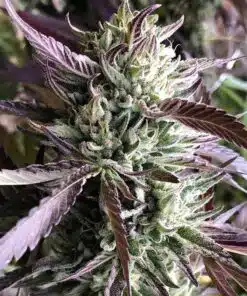
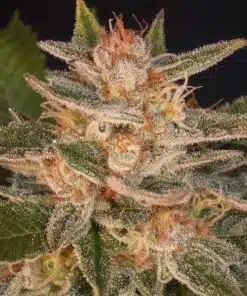
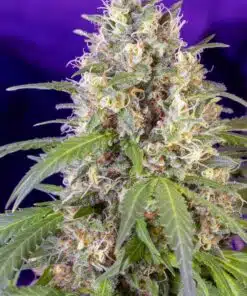
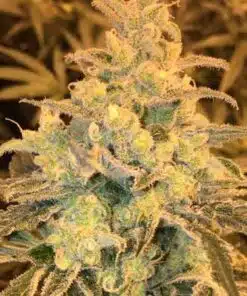
What Are Fast-Flowering Seeds?
These genetics are bred for growers who want to reach harvest sooner without giving up the control associated with photoperiod cultivation. Rather than following a fixed age-driven lifecycle, plants generally respond to changes in the light cycle, allowing growers to influence when the transition from vegetative growth to bloom begins.
The main advantage is a shorter flowering period. Depending on the cultivar, some varieties may finish in approximately 6–8 weeks of bloom, while others require more time. Genetics, phenotype, environment, and plant health can all affect the actual harvest date.
This makes the category especially relevant to indoor growers seeking quicker turnaround and outdoor cultivators working with limited seasonal windows.
Why Grow Faster-Finishing Genetics?
Speed is the obvious benefit, but it is not the only reason growers choose this type of seed.
Earlier Harvests
A shorter bloom period can bring harvest forward compared with many longer-season varieties. For outdoor growers, this may help plants finish before autumn conditions become increasingly wet, cold, or humid.
Control Over Vegetative Growth
Unlike autoflower seeds, which generally begin blooming according to age, these plants typically retain photoperiod behavior. Indoor growers can allow more time for root development and canopy growth or initiate flowering sooner when turnaround is the priority.
Flexible Plant Size
The ability to control the vegetative period provides more influence over final plant development. Growers working in smaller spaces may prefer an earlier transition to bloom, while those with more room can allow additional growth before changing the light schedule.
Familiar Cultivation Style
Anyone experienced with traditional photoperiod growing will recognize the basic approach. Lighting, plant training, feeding, watering, and environmental management remain important, with individual requirements varying by strain.
How Do They Compare With Autoflowers?
Both categories appeal to growers who value speed, but the lifecycle is different.
Autoflowers typically transition into bloom according to age and continue on a relatively fixed schedule. Faster-finishing photoperiod varieties generally wait for the appropriate light-cycle change, giving the grower more control over the length of vegetative development.
That distinction matters when choosing genetics.
An autoflower may suit someone who wants a compact, age-driven lifecycle with minimal dependence on seasonal light changes. A quick-finishing photoperiod strain may be more attractive when the grower wants to decide when bloom begins.
If you are comparing the two approaches, our complete autoflower grow guide covers lifecycle, lighting, plant development, and harvest timing in greater depth.
How Do They Compare With Standard Photoperiod Strains?
The cultivation style is broadly similar to conventional photoperiod cannabis seeds. Indoors, growers maintain vegetative development under a longer daily light period and then change the schedule to initiate flowering.
The difference is primarily the expected finish.
Earlier-finishing cultivars are selected or bred to complete bloom sooner than many longer-season varieties. This can make them useful when:
- Indoor production schedules are tight
- Flowering-room space is limited
- Outdoor summers are short
- Autumn rain arrives early
- Cooler nights create seasonal pressure
- An earlier harvest is preferred
Not every quick-finishing cultivar will be the same. Estimated bloom time should always be considered alongside plant structure, vigor, climate suitability, and overall strain characteristics.
Indoor vs Outdoor Growing
These seeds can work in either environment, but the reasons for choosing them may differ.
Indoor Growing
Indoors, the biggest advantage is scheduling flexibility. Growers control the light cycle and can decide when plants move from vegetative growth into bloom.
A shorter flowering period may help with:
- Faster room turnover
- Limited tent availability
- Staggered harvest planning
- Managing multiple cultivation cycles
- Reducing the time a flowering space remains occupied
Stable conditions still matter more than trying to force speed. Excess nutrients, poor irrigation, heat stress, weak airflow, or root problems can slow development regardless of the advertised flowering window.
Outdoor Growing
Outdoors, an earlier finish may help where the season becomes challenging before long-flowering plants fully mature.
Growers should consider:
- Typical first frost
- Late-season rainfall
- Day and night temperatures
- Relative humidity
- Mold pressure
- Available sunlight
- Expected harvest month
For wetter regions, flowering time should also be considered alongside resistance to moisture-related problems. A fast finish can be valuable, but the strain still needs to suit the local environment.
How Long Does the Full Grow Take?
The flowering period and total seed-to-harvest time are not the same thing.
A plant advertised with a short bloom window still needs to pass through earlier stages of development:
- Germination
- Seedling establishment
- Vegetative growth
- Flowering
- Final maturation
Indoors, the grower can influence the total schedule by deciding how long plants remain in vegetative growth. A shorter veg period can reduce overall turnaround, while additional time may allow greater plant and canopy development before bloom.
Some cultivars in this category may finish flowering in roughly 6–8 weeks, but the individual product information should always be checked. Actual timing can vary according to phenotype and growing conditions.
Growers starting from seed can use our cannabis seed germination guide for more detail on early development without turning this shopping page into a full cultivation manual.
How to Choose the Right Seeds
The shortest advertised flowering time should not be the only deciding factor. The best choice is the cultivar that fits your space, climate, experience, and goals.
Flowering Window
Compare the estimated number of weeks in bloom. Outdoor growers should also look at the expected harvest period and how it aligns with local autumn weather.
Indoor or Outdoor Suitability
Some strains perform well across both environments, while others are better suited to controlled rooms or specific outdoor climates.
Plant Height and Structure
Compact genetics can be easier to manage in tents and restricted spaces. Taller or more vigorous plants may require additional room and canopy management.
Yield Potential
Compare expected production, but treat yield figures as estimates rather than guarantees. Lighting, root health, environment, nutrition, plant size, and grower experience all influence the final result.
THC and CBD Profile
Use the product details to compare cannabinoid information. The category includes different profiles, so speed alone does not tell you what to expect from a particular cultivar.
Genetic Background
Indica, sativa, and hybrid selections can differ in growth pattern, structure, flowering behavior, and other characteristics. Review the full strain profile rather than choosing from a single label.
Growing Difficulty
Less experienced growers may prefer resilient, manageable plants over a cultivar selected only because it has the shortest bloom time. Experienced cultivators may prioritize specific traits such as structure, training response, production potential, or environmental fit.
Shop Fast-Flowering Cannabis Seeds
Browse the collection above to compare genetics by flowering time, plant size, indoor or outdoor suitability, yield potential, cannabinoid profile, and growing difficulty.
Whether you want a quicker indoor turnaround, more control than an age-driven autoflower cycle, or an earlier outdoor harvest, focus on the complete strain profile. The right choice should match your available space, local conditions, experience level, and preferred cultivation schedule.