
Purple Cannabis Strains
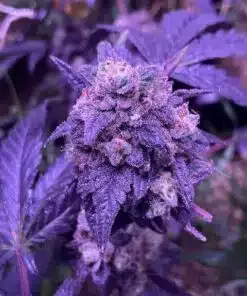
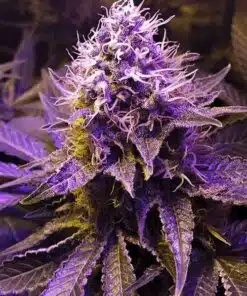
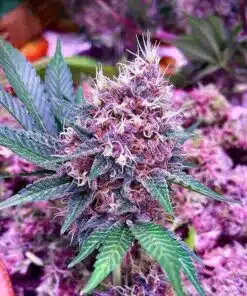
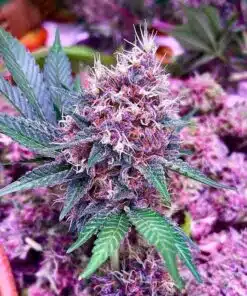
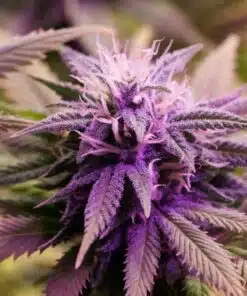
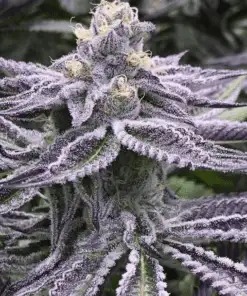
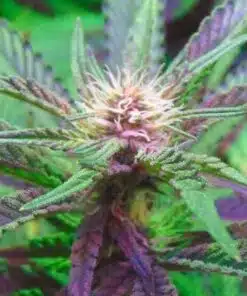
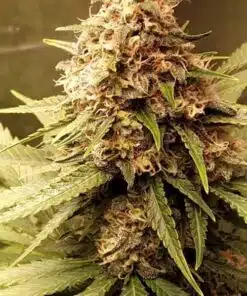
Purple cannabis strains are known for genetics capable of producing violet, lavender, burgundy, and deep purple coloration in leaves and flowers. Depending on the cultivar, these traits may appear alongside very different THC levels, terpene profiles, flowering times, plant structures, and yield potential.
Color expression is influenced by genetics and growing conditions, so not every plant develops the same intensity of purple pigmentation. Some cultivars show strong coloration naturally, while others express deeper tones as they mature under suitable conditions.
Browse the collection below to compare purple genetics by seed type, cannabinoid profile, flowering time, plant height, yield potential, and indoor or outdoor suitability.
Showing all 17 results

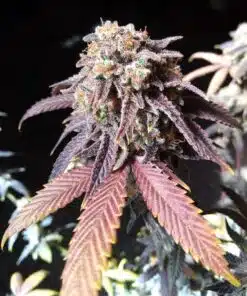
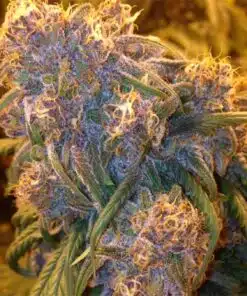
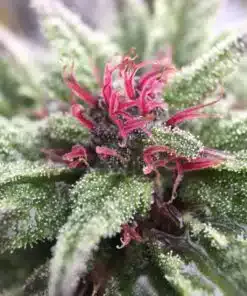
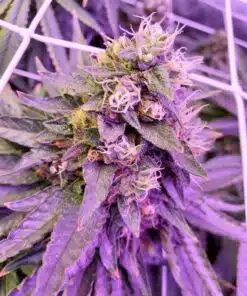
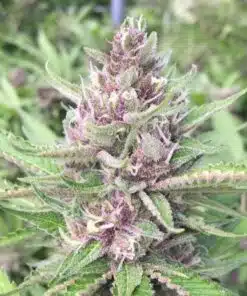
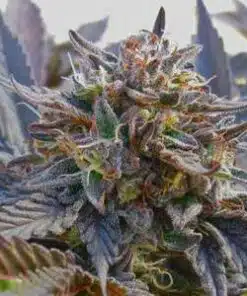
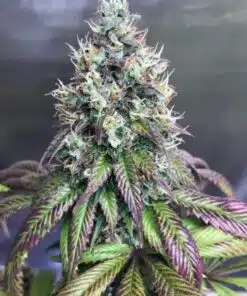
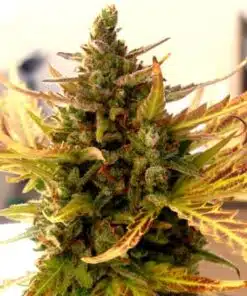
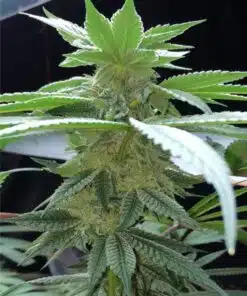
What Makes Cannabis Strains Turn Purple?
Purple coloration in cannabis is largely associated with plant pigments called anthocyanins. These naturally occurring compounds can contribute red, blue, violet, and purple tones to different parts of the plant.
Genetics play the central role in determining whether a cultivar has the potential to express strong purple coloration. Depending on the strain and phenotype, color may appear in:
- Flowers
- Sugar leaves
- Fan leaves
- Stems
- Petioles
Environmental conditions can influence how strongly those traits appear, but growing conditions cannot reliably turn every cannabis plant purple. If visible coloration is an important buying factor, start with genetics known for that characteristic rather than relying on environmental stress.
Why Choose Purple Genetics?
For many growers, visual appearance is the main attraction. Deep violet flowers, dark foliage, and contrasting orange pistils can create some of the most distinctive plants in a garden.
However, color does not define the entire cultivar.
Purple varieties can differ substantially in:
- THC and CBD content
- Indica, sativa, or hybrid background
- Aroma and terpene profile
- Plant height
- Flowering time
- Yield potential
- Growing difficulty
- Indoor or outdoor suitability
This means buyers should compare the complete strain profile rather than assuming all purple weed strains grow or perform in the same way.
Does Purple Color Mean Higher THC?
No. Purple pigmentation is not a reliable indicator of THC content.
A deeply colored cultivar may have high THC potential, moderate potency, or a more balanced cannabinoid profile depending on its genetics. Likewise, a green cultivar can be extremely potent without developing purple flowers.
If potency is your main priority, compare the products in our high THC seeds collection rather than using flower color as a substitute for cannabinoid information.
Are Purple Strains Indica or Sativa?
They can be indica, sativa, or hybrid.
Purple coloration is a visual characteristic rather than a single genetic family. Some well-known cultivars have strong indica backgrounds and compact growth patterns, while others are balanced hybrids or more sativa-leaning.
When choosing a product, review:
- Genetic background
- Expected plant structure
- Flowering time
- Height
- Cannabinoid profile
- Growing difficulty
Growers who prefer compact, broad-leaf genetics may also want to compare our indica seeds collection, but color alone should not be used to determine whether a plant is indica or sativa.
Can Growing Conditions Make Cannabis Purple?
Growing conditions can influence color expression when the underlying genetics already support it.
Temperature, maturity, light exposure, nutrient balance, and phenotype may all affect how coloration develops. Some plants become noticeably darker late in flowering, while others display purple tones much earlier.
Cooler temperatures are often associated with stronger color expression in certain cultivars, but deliberately exposing plants to excessive cold is not a reliable or desirable strategy. Stress can slow growth, interfere with nutrient uptake, and reduce overall plant performance.
The goal should be to provide a stable environment and allow the genetics to express naturally.
Indoor vs Outdoor Growing
Purple genetics can be cultivated indoors or outdoors, but the best environment depends on the individual strain.
Indoor Growing
Indoor growers have more direct control over:
- Temperature
- Humidity
- Lighting
- Airflow
- Plant spacing
- Vegetative time
This can make it easier to maintain stable conditions throughout development. If you are planning a controlled setup, our complete guide to growing cannabis indoors covers environmental management, space, airflow, and other factors that influence plant performance.
Outdoor Growing
Outdoor plants respond to natural seasonal changes, and some cultivars may develop stronger coloration as temperatures shift later in the season.
Before choosing an outdoor variety, compare:
- Climate suitability
- Expected harvest window
- Plant size
- Rainfall
- Humidity
- Season length
A visually impressive cultivar still needs enough time to finish successfully in the local environment.
How to Choose the Right Purple Cannabis Strain
Start with the traits that matter for your grow, then use color as an additional selection factor.
Check Seed Type
Determine whether the product is feminized, autoflower, regular, or another flowering format.
Compare Flowering Time
A shorter bloom period may suit growers with limited schedules or shorter outdoor seasons, while longer-flowering genetics may require additional time.
Review Plant Height
Compact plants can be easier to manage in restricted spaces. Taller or more vigorous cultivars need additional room.
Look at Yield Potential
Use yield estimates to compare products grown under similar conditions. Advertised figures should be treated as estimates rather than guaranteed harvests.
Check Cannabinoid Information
Compare expected THC and CBD levels directly. Purple color does not determine potency.
Consider the Growing Environment
Choose genetics suited to the conditions you can realistically provide. Indoor space, outdoor climate, humidity, season length, and grower experience all matter.
Shop Purple Cannabis Strains
Browse the products above to compare purple genetics by seed type, cannabinoid profile, flowering time, plant height, yield potential, growing difficulty, and indoor or outdoor suitability.
Whether you prefer deep violet flowers, colorful foliage, compact indica-leaning plants, or vigorous hybrids with purple expression, choose according to the complete strain profile rather than appearance alone.