Yield & Training Techniques
Jun
Cannabis cultivation is often framed as a question of genetics, but experienced growers quickly learn that genetics only set the ceiling — cultivation determines how close you get to it. Yield, density, potency, and even aroma are all deeply influenced by how a plant is trained, structured, and supported throughout its life cycle.
Whether you are growing autoflowers, photoperiod plants, or optimizing indoor or outdoor gardens, the same principle applies: the best yields come from controlled stress, optimized canopy structure, and stable environmental conditions.
This pillar brings together the most important yield and training techniques used by growers to consistently produce bigger, denser, and more resin-rich cannabis flowers.
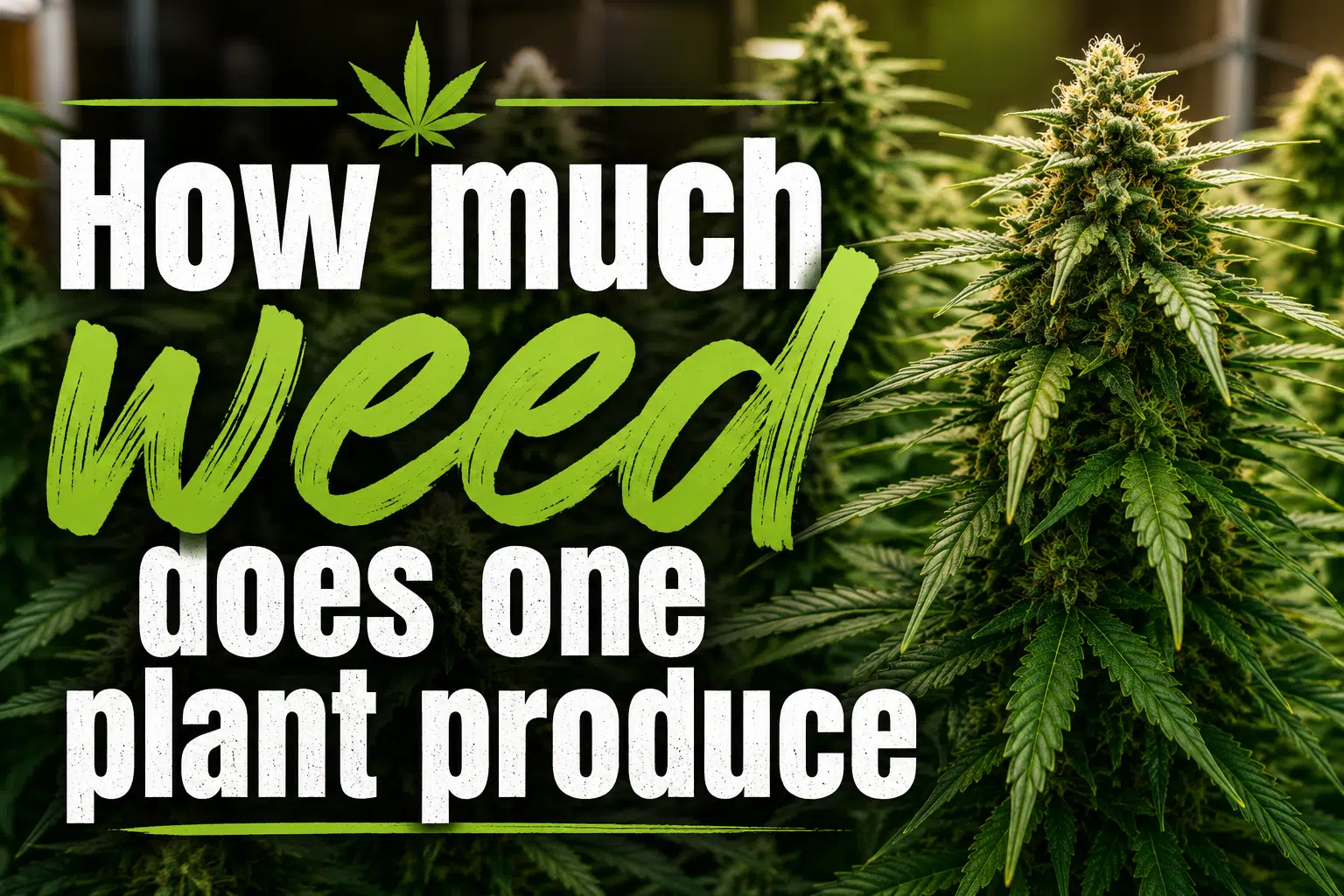
Understanding Cannabis Yield: What Actually Drives Bigger Harvests
Yield is not determined by a single factor. It is the combined result of plant structure, environmental conditions, and how efficiently the plant converts light into energy.
Most growers initially assume yield is mostly about feeding. In reality, yield is much more closely tied to:
- Light distribution across the canopy
- Root zone health and oxygen availability
- Plant structure and bud site exposure
- Stress management during growth stages
- Genetics and bud density potential
When these systems are aligned, cannabis plants naturally shift energy toward flower production rather than recovery or survival responses.
This is why two plants of the same strain can produce dramatically different results under different training approaches.
Plant Structure: The Foundation of Yield
Before any training technique can be effective, the plant’s structure must be understood and shaped.
Untrained cannabis plants naturally develop a dominant central cola with smaller lower branches. While this is efficient in nature, it is not ideal for indoor or space-limited cultivation.
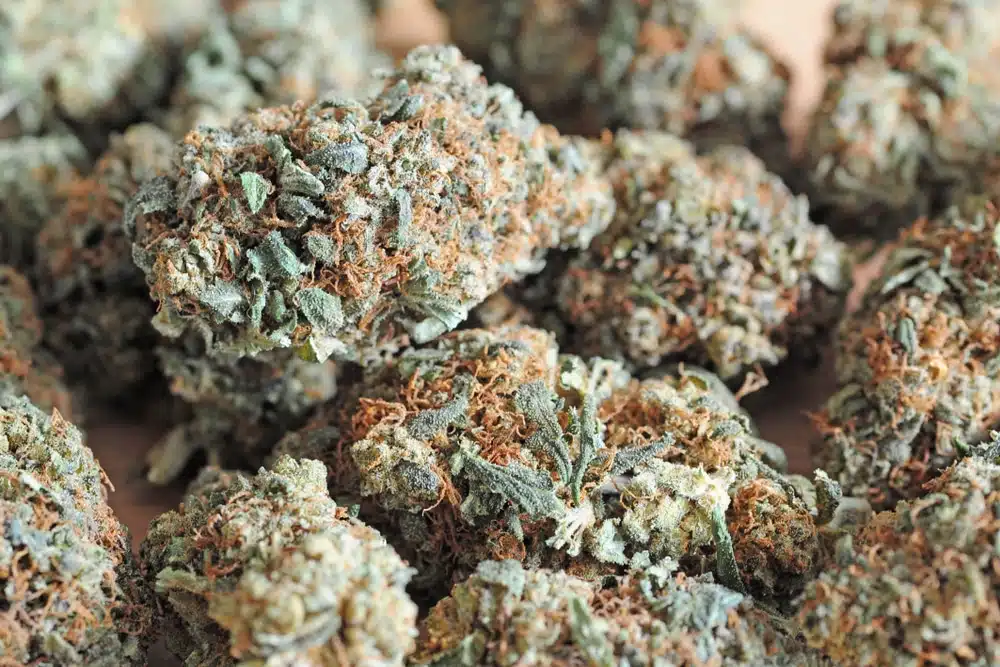
Training techniques exist to interrupt this natural dominance and redistribute energy across multiple bud sites.
This is where yield potential is unlocked.
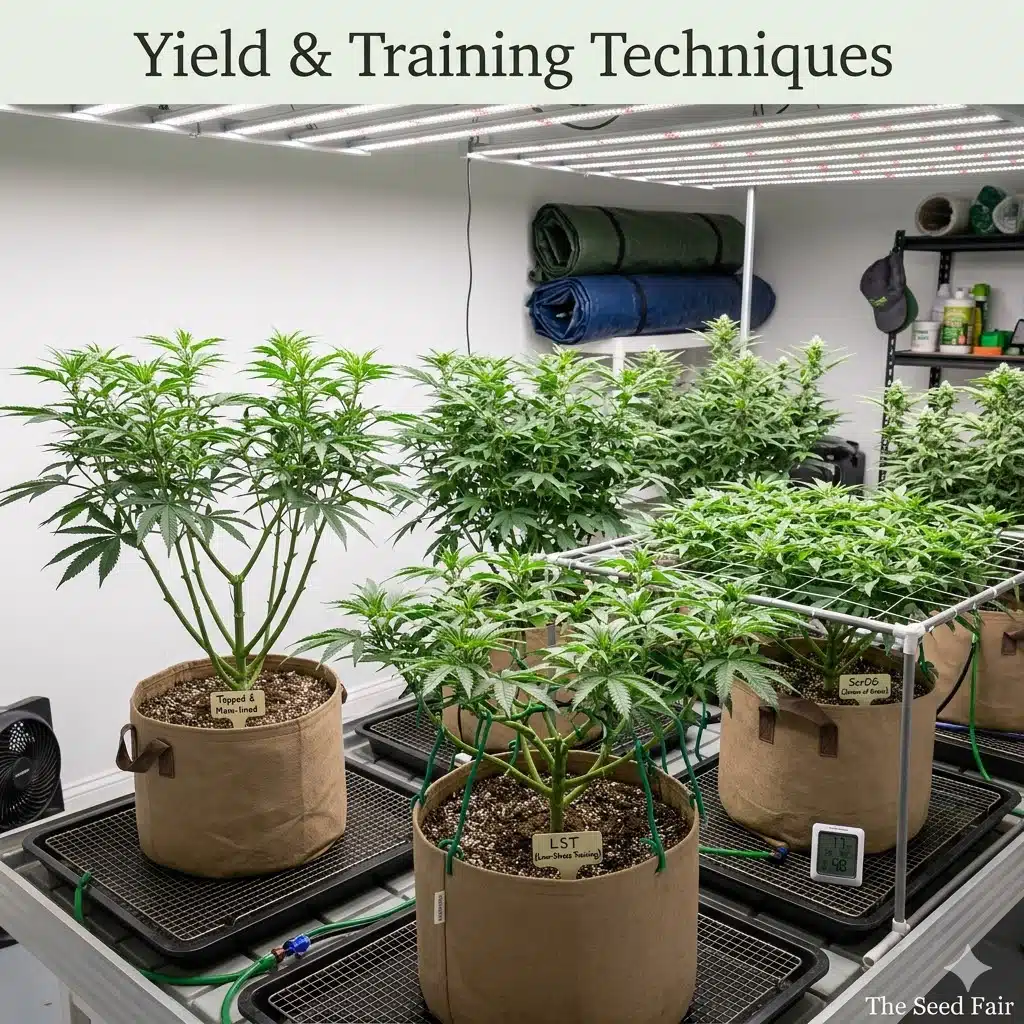
Topping vs Non-Topped Plants
One of the earliest structural decisions growers make is whether to top their plants.
Topping involves removing the main growth tip to break apical dominance. This forces the plant to redirect energy into multiple main colas instead of one central bud.
Topped plants typically develop:
- Wider canopy spread
- More uniform bud development
- Increased light exposure to lower branches
Non-topped plants tend to grow faster initially but often concentrate yield into fewer, larger colas with less canopy efficiency.
For indoor growers with limited space, topping is often a foundational step in yield optimization. Knowing when and how to top cannabis plants helps encourage multiple main colas while reducing the risk of unnecessary stress.
Low-Stress Training (LST): The Core Yield Technique
Low-stress training is one of the most widely used methods for increasing cannabis yields without significantly slowing growth.
Instead of cutting or heavily stressing the plant, LST involves gently bending and tying branches to create a flat, even canopy.
The goal is simple: every bud site receives equal access to light.
When applied correctly, LST leads to:
- More uniform bud development
- Increased number of viable flowering sites
- Better light penetration into lower canopy zones
- Reduced risk of larf (small, airy buds)
Growers typically begin LST early in vegetative growth and continue adjusting the structure until early flowering begins. If you’re new to this technique, our complete guide to Low Stress Training (LST) for cannabis explains when to start, how to tie branches safely, and common mistakes to avoid.
ScrOG: Maximizing Yield Through Canopy Control
The Screen of Green method takes LST principles further by introducing a physical screen that forces horizontal growth.
As branches grow through the mesh, they are guided laterally rather than vertically, creating a flat, highly efficient canopy.
ScrOG is especially effective because it maximizes:
- Light distribution efficiency
- Bud site exposure consistency
- Space utilization per square foot
Instead of a few dominant colas, ScrOG systems produce an even “carpet” of buds across the entire grow space.
This technique is particularly powerful in indoor environments where vertical space is limited but light can be precisely controlled. Growers looking to maximize canopy efficiency can learn more in our complete Screen of Green (ScrOG) guide.
Supercropping: High-Intensity Yield Manipulation
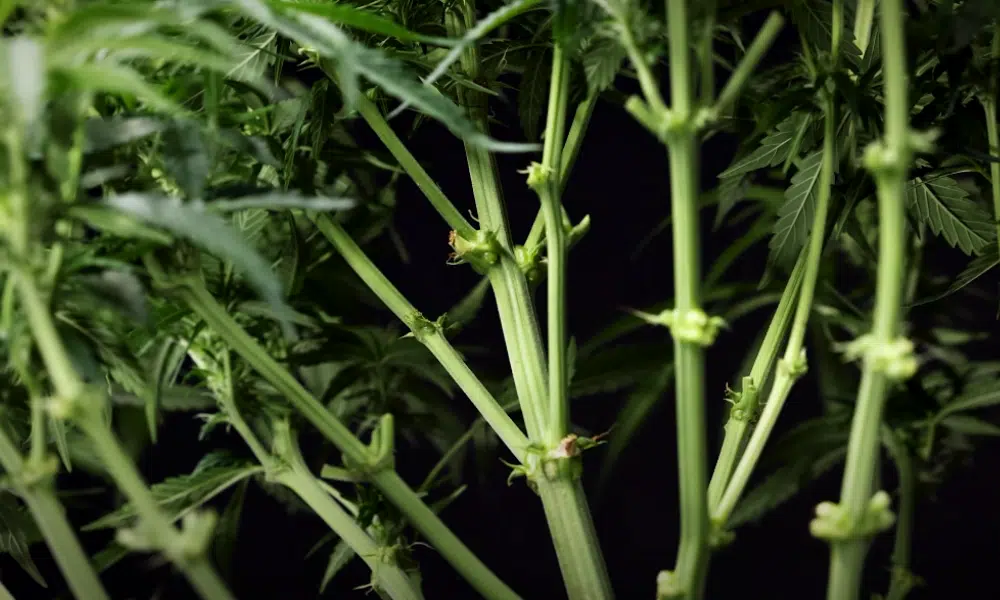
Supercropping is a more aggressive form of training that involves carefully stressing plant stems to trigger a healing response.
When a stem is slightly crushed and bent (without breaking the outer skin), the plant responds by reinforcing that area with stronger vascular growth.
This results in:
- Thicker, more resilient branches
- Improved nutrient flow
- Increased bud weight capacity
- Enhanced lateral growth
While it is considered a high-stress technique, experienced growers use supercropping strategically during vegetative growth to build extremely strong canopy structures capable of supporting heavy yields.
Defoliation: Controlling Light and Airflow
Defoliation involves removing select fan leaves to improve light penetration and airflow within the canopy.
However, this technique must be used carefully. Excessive defoliation can slow growth or reduce yield potential, especially in autoflowers.
Proper defoliation focuses on:
- Removing leaves blocking major bud sites
- Improving airflow in dense canopy areas
- Reducing humidity pockets that lead to mold risk
The key principle is balance: leaves are not removed to “clean up” the plant, but to improve energy efficiency and light access.
Autoflower Yield Optimization
Autoflowers behave differently from photoperiod plants due to their fixed lifecycle. This makes stress management far more important.
Unlike traditional cannabis plants, autoflowers have limited time to recover from training mistakes. For this reason, yield optimization must focus on low-stress, high-efficiency techniques.
Key autoflower principles include:
- Avoid transplanting or repotting
- Start in final container immediately
- Use LST instead of heavy HST techniques
- Maintain stable light schedules (typically 18+ hours)
- Avoid excessive defoliation or supercropping
Autoflowers can still produce high yields when trained correctly, with some growers achieving over 200g per plant through careful environmental control and early structure management.
Supporting Heavy Buds: Structural Yield Protection
As plants enter late flowering, bud weight becomes a structural challenge.
Without support, heavy colas can bend or break, reducing yield quality and increasing stress.
Common support methods include:
- Stakes for individual branches
- Plant ties for structural reinforcement
- Netting systems for canopy stability
- Integrated ScrOG frameworks
Support systems are not just physical protection — they also help maintain airflow through dense buds, reducing mold risk and improving final quality.
Monster Cropping: Explosive Late-Stage Growth
Monster cropping is a unique technique where clones are taken from flowering plants and reintroduced into vegetative growth.
This process results in highly branched, bushy plants with abnormal but highly productive structure.
Monster cropped plants often develop:
- Extremely dense branching patterns
- Multiple bud sites per node
- Increased canopy complexity
- High yield potential in controlled environments
While not beginner-friendly, monster cropping is valued for maximizing yield per plant in small grow spaces.
Bud Density: Why Some Plants Produce Heavier Flowers
Yield is not only about number of buds — it is also about how dense those buds are.
Dense buds are the result of:
- Strong light exposure across all flower sites
- Balanced nutrient availability (especially phosphorus and potassium)
- Stable environmental conditions during flowering
- Proper airflow preventing weak, airy structure
Training techniques like LST, ScrOG, and topping all indirectly improve bud density by increasing light penetration and energy distribution.
How to Grow Bigger Cannabis Buds
Bigger buds come from a combination of structural training and environmental optimization. Our guide on how to grow bigger cannabis buds covers additional practical techniques for increasing flower size without sacrificing overall plant health.
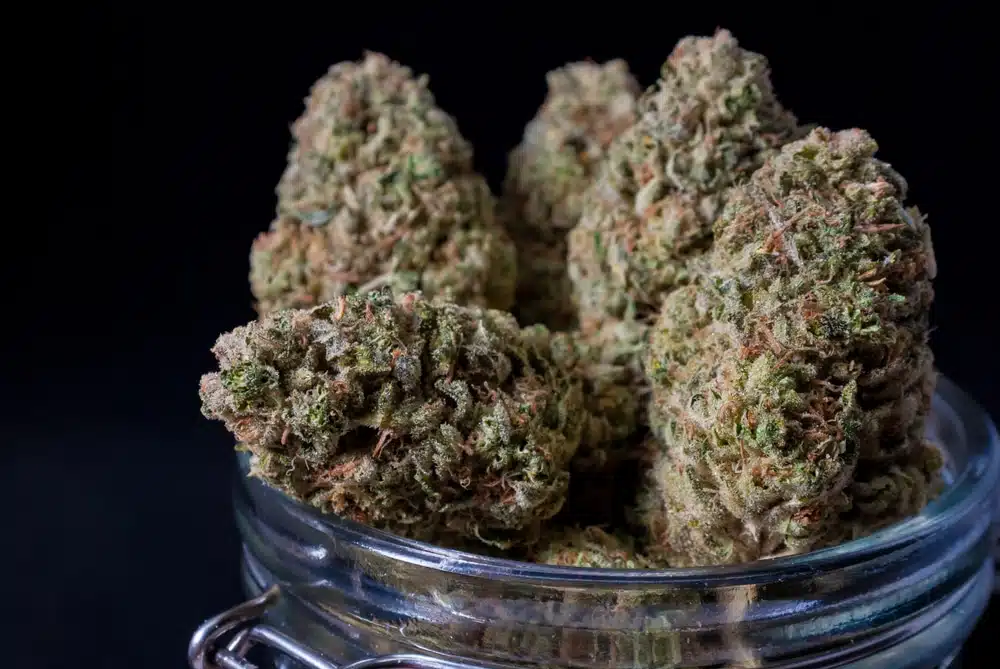
Growers consistently producing large flowers focus on:
- Even canopy development
- Strong root zone oxygenation
- Controlled plant stress (not elimination of stress)
- Stable humidity during flowering
- Optimized lighting distance and intensity
The key is consistency. Bud development responds poorly to sudden changes in environment, feeding, or light intensity.
How to Increase Terpenes While Maximizing Yield
Yield and quality are deeply connected, especially when it comes to terpene production.
Terpenes are influenced by:
- Nutrient balance during flowering
- Light spectrum and intensity
- Temperature and humidity control
- Harvest timing and trichome maturity
- Proper drying and curing methods
Slight environmental stress — such as controlled nighttime temperature drops — can increase terpene expression, but excessive stress reduces both yield and quality.
Growers often find that terpene-rich plants also produce denser, more resinous buds when conditions are properly balanced.
The Role of Genetics in Yield Potential
Even the best training techniques cannot fully overcome poor genetics. Starting with high-yield cannabis seeds gives growers a stronger foundation before training methods such as topping, LST, or ScrOG are applied.
High-yield genetics typically produce:
- Larger calyx structures
- Strong branch support systems
- Dense bud stacking
- Higher resin production capacity
Strains like Northern Lights, White Widow, and Gorilla Glue are commonly used in yield-focused grows due to their structural reliability and consistent flower density.
Progressive Harvesting and Yield Optimization
Some growers extend yield potential using progressive harvesting, where mature colas are harvested while lower buds are left to continue developing.
This allows the plant to:
- Redirect energy into remaining buds
- Improve final density of lower flowers
- Extend harvest window slightly for higher total yield
While not suitable for all setups, it is an advanced method used in larger or outdoor grows.
Final Takeaway: Yield Is a System, Not a Single Technique
The most important realization in cannabis cultivation is that yield is not created by a single method.
It is the result of multiple systems working together:
- Plant structure (training)
- Environmental stability
- Light optimization
- Root health
- Stress management
- Genetics
Training techniques like LST, ScrOG, topping, and supercropping are not standalone solutions — they are tools used to shape how the plant expresses its genetic potential.
When applied correctly, they do not just increase yield. They fundamentally change how the plant grows, distributes energy, and builds flowers.

Alexander Broodryk is a very skilled grower and has been writing about his experiences online for many years. With over 5 years in the Cannabis Industry Alexander is not only engaging with many of his audiences but also informational. Alex has a lot of writings about Cannabis all over online and we are very happy to have him here at The Seed Fair helping to contribute his well thorough content for our website. He is dedicated to educating readers on the latest developments and trends in this rapidly evolving market. Check out his biography under our Author pages at Alexander Broodryk, Author at The Seed Fair.