
Skunk Cannabis Seeds
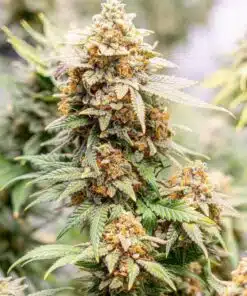
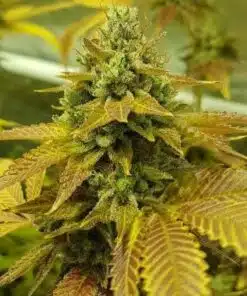
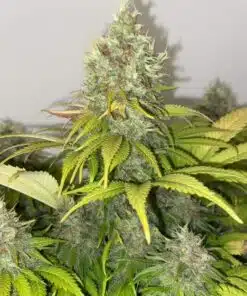
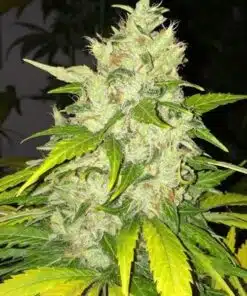
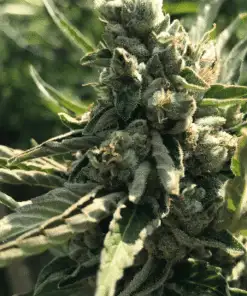
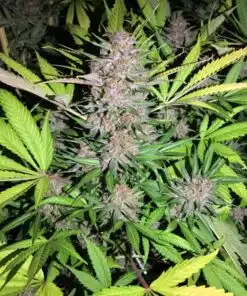
Skunk cannabis seeds include classic and modern genetics influenced by one of the most important families in cannabis breeding. Known for distinctive aromatic profiles and a long history of hybrid development, Skunk lines have contributed to numerous cultivars with different plant structures, flowering times, cannabinoid profiles, and growing requirements.
Today’s collection extends beyond a single original strain. Growers can compare traditional-style Skunk genetics with newer feminized, autoflowering, indica-leaning, sativa-leaning, and hybrid varieties.
Browse the products below by lineage, THC and CBD profile, flowering time, plant height, yield potential, terpene characteristics, growing difficulty, and indoor or outdoor suitability.
Showing all 19 results

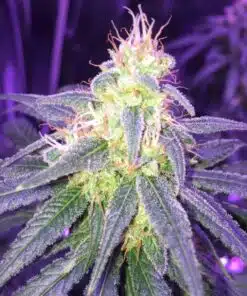
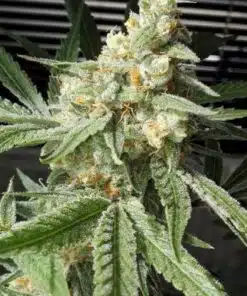
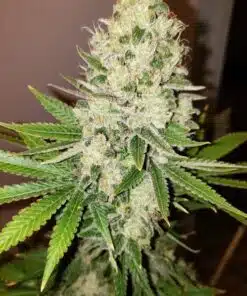
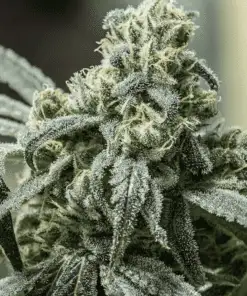
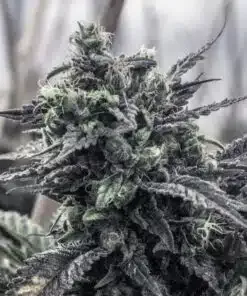
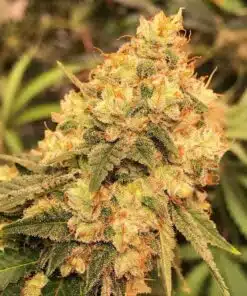
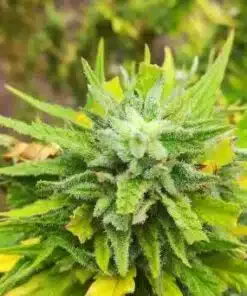
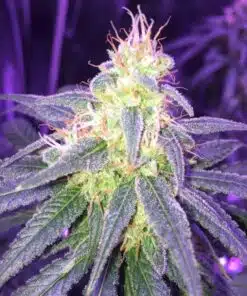
What Are Skunk Cannabis Seeds?
Skunk cannabis seeds belong to a broad family of genetics shaped by decades of selection and hybrid breeding.
The name is strongly associated with pungent aromatic characteristics, but modern Skunk cultivars are far more diverse than one smell or plant type. Different varieties can show substantial variation in height, branching, flowering duration, cannabinoid profile, and cultivation difficulty.
Depending on the cultivar, Skunk genetics may be:
- Indica-dominant
- Sativa-dominant
- Balanced hybrids
- Feminized
- Autoflowering
- Photoperiod-dependent
The individual strain profile is the best guide to expected performance.
Where Do Skunk Genetics Come From?
Skunk became highly influential in modern cannabis breeding during the 1970s.
One of the best-known foundational lines is Skunk #1, commonly associated with Afghan, Colombian, and Mexican ancestry. Through selection and later breeding work, Skunk-influenced genetics spread widely and became part of numerous modern cultivars.
Not every strain carrying “Skunk” in its name has an identical lineage. Breeder selections, later crosses, and different generations can produce significantly different plants.
Common Traits of Skunk Strains
There is no universal Skunk growth profile, but many cultivars are associated with characteristics such as:
- Vigorous vegetative growth
- Strong branching
- Noticeable aroma during flowering
- Moderate to high yield potential
- Indoor and outdoor adaptability
- Hybrid plant structures
Aromatic profiles can extend beyond the classic pungent character and may include earth, citrus, fruit, spice, sweetness, fuel, or other combinations.
Growers interested in a wider range of mixed genetic backgrounds can also explore our modern hybrid cannabis selection.
How to Choose Skunk Seeds
Start with the conditions you can realistically provide rather than choosing by strain name alone.
Plant Height
Some cultivars remain compact, while others stretch considerably during flowering. Check expected mature size before planting.
Flowering Time
Bloom periods vary between traditional-style lines and newer hybrids. Compare the listed flowering window for each product.
THC and CBD Profile
Cannabinoid levels differ significantly across Skunk genetics. Do not assume a fixed THC percentage for the entire family.
Aroma and Terpene Characteristics
Skunk cultivars are known for strong aromatic expression, but individual profiles can vary widely. Review the product details when comparing genetics.
Yield Potential
Estimated yields are useful for comparison, but actual production depends on light, root health, environment, plant size, nutrition, training, and grower experience.
Growing Skunk Cannabis Indoors
Many Skunk cultivars can adapt well to controlled indoor environments.
Key considerations include:
- Air circulation
- Temperature stability
- Humidity management
- Plant spacing
- Light penetration
- Canopy density
- Odor control
Aromatic intensity can become a practical consideration during flowering, particularly in enclosed spaces.
For growers planning ventilation, environmental control, limited-space setups, and odor management, our indoor growing resource for controlled cannabis spaces covers these topics in greater depth.
Growing Skunk Cannabis Outdoors
Outdoor suitability depends on the specific cultivar and local conditions.
Before choosing genetics, compare:
- Season length
- Expected harvest window
- Temperature range
- Humidity
- Rainfall
- Mature plant height
- Flowering duration
Some Skunk-influenced hybrids may perform well across a broad range of environments, while others require longer, warmer seasons.
Starting Skunk Seeds
Germination requirements are not unique to Skunk genetics. Seeds need an appropriate balance of moisture, warmth, oxygen, and careful handling.
Avoid rigid assumptions about exact sprouting times. Individual seeds can emerge at different rates, even within the same cultivar.
Once early root development begins, seedlings should be transferred carefully into a suitable growing medium and protected from overwatering, excessive feeding, and unstable environmental conditions.
Growers looking for a deeper explanation of starting methods and early development can use our step-by-step resource for germination and young cannabis plants.
Managing Vigorous Growth
Some Skunk cultivars develop strong branching and respond well to canopy management.
Depending on plant health and structure, growers may consider:
- Low-stress training
- Topping
- Branch positioning
- Selective pruning
- Trellising
- Canopy thinning
Training should match the cultivar rather than being applied automatically to every plant.
Skunk vs Kush Genetics
Skunk and Kush are both highly influential names in cannabis breeding, but they refer to different genetic histories.
Skunk lines are strongly associated with hybrid development and pungent aromatic characteristics. Kush genetics have historical connections to the Hindu Kush region and later breeding families influenced by that heritage.
Modern crosses can contain both backgrounds, which is why individual lineage information matters more than relying on the category name alone.
Growers interested in comparing these families can browse our Kush-influenced cannabis genetics alongside the Skunk products above.
Shop Skunk Cannabis Seeds
Browse the products above to compare Skunk genetics by lineage, THC and CBD profile, terpene characteristics, flowering time, plant height, yield potential, growing difficulty, and indoor or outdoor suitability.
Choose according to the complete cultivar profile and your actual growing conditions. The strongest match is a strain suited to your space, climate, schedule, and level of cultivation experience.