
Mold Resistant Cannabis Strains
Mold resistant cannabis strains are a practical choice for growers dealing with high humidity, frequent rainfall, limited airflow, or climates where moisture can persist late into the season.
Certain genetics are better suited to these conditions because of traits such as more open flower structure, vigorous growth, earlier finishing times, and greater tolerance for environmental pressure. Resistance varies by cultivar, and no cannabis plant is completely mold-proof.
Browse the collection below to compare resilient genetics by flowering time, plant structure, indoor or outdoor suitability, yield potential, and growing difficulty. These strains can be especially useful for outdoor growers in humid regions or anyone looking to reduce risk when conditions are difficult to control.
Showing all 13 results
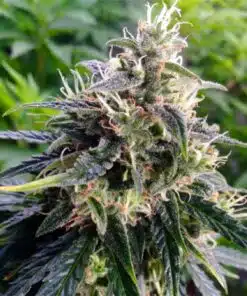

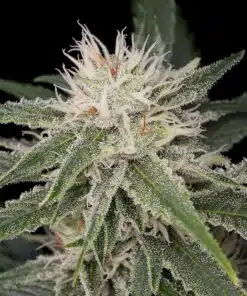
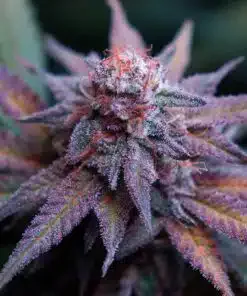
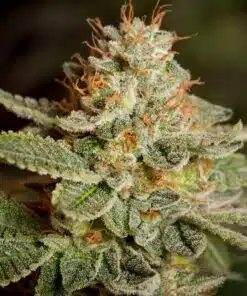
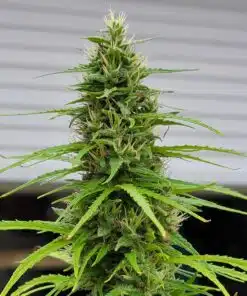
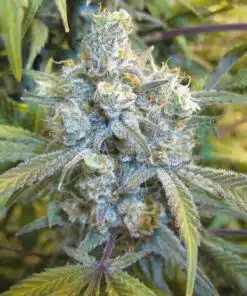
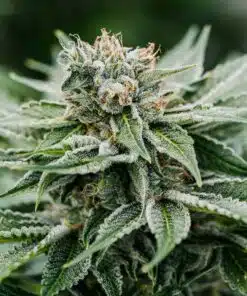
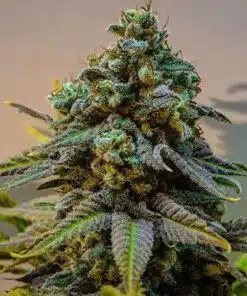
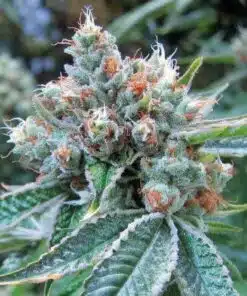
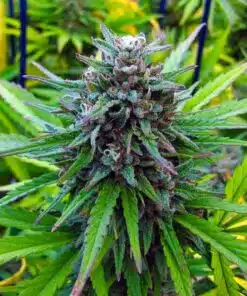
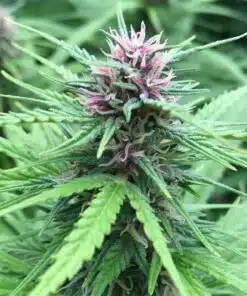
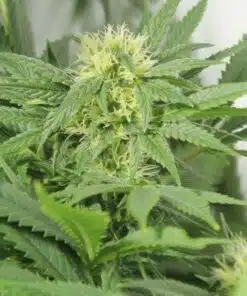
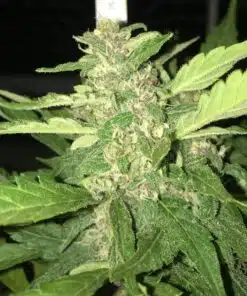
What Makes a Cannabis Strain More Resistant to Mold?
Some cannabis genetics are better equipped than others to handle conditions associated with mold pressure. This does not mean a plant is immune to fungal problems. Instead, certain inherited traits may make it less vulnerable when humidity, rainfall, dense growth, or poor drying conditions increase risk.
Useful characteristics can include:
- More open flower structure
- Better airflow through the canopy
- Strong plant vigor
- Earlier finishing times
- Less compact internal growth
- Suitability for humid or variable climates
The complete genetic profile matters more than any single characteristic. A strain with airy flowers may still develop problems in a poorly ventilated environment, while dense cultivars can perform successfully when humidity and airflow are carefully managed.
Why Choose Mold Resistant Genetics?
These cultivars are particularly relevant for growers who cannot fully control environmental conditions.
Outdoor gardens may face prolonged rainfall, cool nights, morning dew, coastal humidity, and sudden weather changes. Indoors, crowded canopies and insufficient air exchange can create pockets of trapped moisture around leaves and flowers.
Growers may consider more resilient genetics when dealing with:
- Humid summers
- Rainy harvest seasons
- Coastal environments
- Greenhouses
- Dense outdoor gardens
- Limited airflow
- Large temperature swings
- Regions with a history of fungal pressure
Genetics are only one part of prevention, but choosing a cultivar suited to the environment can provide a stronger starting point.
Mold Resistance and Flower Structure
Flower structure can influence how easily moisture becomes trapped within developing buds.
Very dense flowers may hold water longer after rainfall or periods of high humidity. When moisture remains deep inside the flower and airflow is limited, conditions can become more favorable for problems such as bud rot.
Cultivars with a looser or more open structure may allow air to circulate more effectively around developing flowers. This can be especially valuable outdoors, where growers cannot control rainfall or ambient humidity.
However, structure should be considered alongside flowering time, plant vigor, climate suitability, and overall growing conditions.
Are These Strains Better for Outdoor Growing?
They can be an excellent option for outdoor cultivation, particularly in regions where late-season moisture is a recurring concern.
Outdoor growers should compare:
- Expected harvest window
- Local rainfall patterns
- Daytime and nighttime humidity
- Plant size
- Flower density
- Seasonal temperature changes
- Available sunlight
Earlier-finishing genetics can sometimes help growers complete harvest before the wettest part of autumn. If a shorter season is the main challenge, fast-flowering cannabis seeds may also be worth comparing because finishing time can be an important part of environmental risk management.
Can Mold Resistant Strains Be Grown Indoors?
Yes. Resilient genetics can also be useful indoors, but they do not replace environmental control.
Indoor fungal problems are often connected to:
- High relative humidity
- Weak air circulation
- Overcrowded canopies
- Poor ventilation
- Wet growing areas
- Large temperature swings
- Moisture trapped around dense flowers
Growers working in tents, closets, or dedicated rooms should still manage airflow and humidity carefully. Our complete guide to growing cannabis indoors covers environmental control, space management, airflow, and other factors that influence plant health in controlled environments.
What Types of Mold Can Affect Cannabis Plants?
Cannabis can face several fungal problems depending on growth stage and environmental conditions.
Bud Rot
Bud rot, commonly associated with Botrytis, can develop within flowers and may be difficult to detect early because damage can begin inside dense buds.
Powdery Mildew
Powdery mildew often appears as pale or powder-like growth on leaf surfaces. High humidity, crowded growth, and insufficient airflow can contribute to favorable conditions.
Other Fungal Problems
Seedlings, roots, leaves, stems, and flowers can experience different fungal issues depending on moisture levels, sanitation, airflow, and plant health.
If symptoms appear, accurate identification matters because different problems require different responses. Our cannabis plant problems and fixes guide provides broader help with identifying common plant symptoms and understanding potential causes.
How to Choose the Right Mold Resistant Strain
Start with the environment rather than choosing solely by THC percentage or advertised yield.
Consider Your Climate
Growers in humid or rainy regions should prioritize genetics suited to moisture pressure and compare expected harvest timing carefully.
Check Flowering Time
A shorter bloom period may reduce exposure to unfavorable late-season weather. This can be particularly important in regions where autumn brings frequent rainfall and cooler nights.
Review Plant Structure
Open branching and less compact flower development may improve airflow around the plant.
Compare Indoor and Outdoor Suitability
Some cultivars are selected for outdoor resilience, while others perform better in controlled environments. Choose according to where the plants will actually be grown.
Look at Growing Difficulty
A highly productive cultivar is not always the best choice if it demands environmental conditions you cannot consistently provide.
Does Mold Resistance Guarantee a Problem-Free Grow?
No. No cannabis strain should be treated as mold-proof.
Even resilient genetics can develop fungal problems when exposed to prolonged moisture, poor airflow, overcrowding, contaminated equipment, or unfavorable environmental conditions.
Risk reduction still depends on:
- Appropriate plant spacing
- Air movement
- Humidity management
- Clean tools and growing areas
- Regular plant inspection
- Suitable irrigation practices
- Timely harvest decisions
The strongest approach combines suitable genetics with good environmental management.
Shop Mold Resistant Cannabis Strains
Browse the products above to compare genetics by flowering time, plant structure, yield potential, growing difficulty, and indoor or outdoor suitability.
For growers facing humid summers, frequent rainfall, coastal conditions, or recurring moisture pressure, selecting resilient genetics can be a practical first step. Choose according to the complete strain profile and the conditions you can realistically provide rather than relying on resistance claims alone.