
Haze Cannabis Seeds
Haze cannabis seeds include classic and modern genetics influenced by one of the most recognized families in cannabis breeding. Many Haze varieties are sativa-dominant and known for vigorous growth, longer branching, extended flowering windows, and distinctive terpene profiles that may include citrus, spice, earth, pine, or sweet notes.
Today’s Haze collection includes original-style cultivars alongside modern hybrids developed with different plant heights, cannabinoid profiles, flowering times, and growing requirements.
Browse the products below to compare Haze genetics by THC and CBD profile, sativa and indica balance, flowering time, plant height, yield potential, terpene characteristics, and indoor or outdoor suitability.
Showing all 32 results
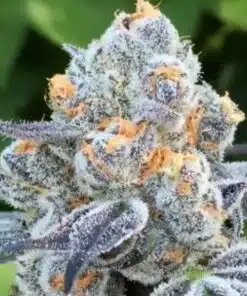

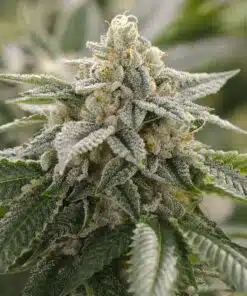
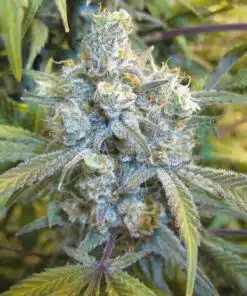
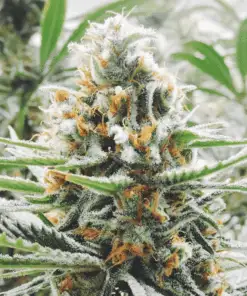
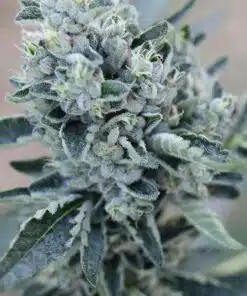
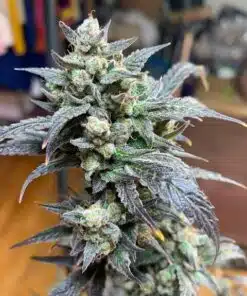
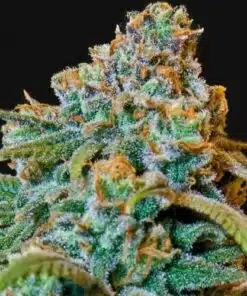
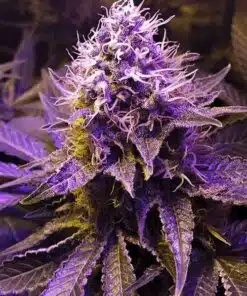
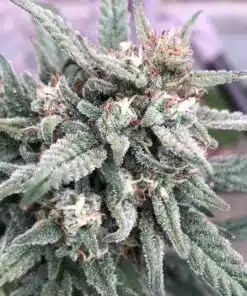
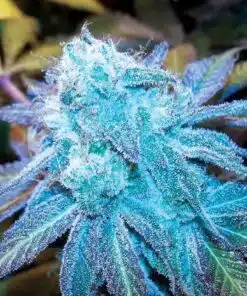
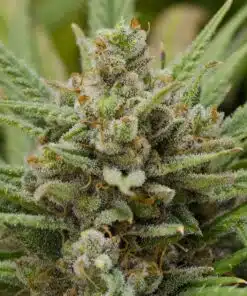
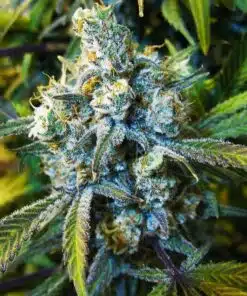
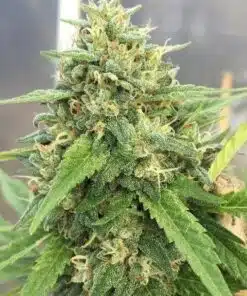
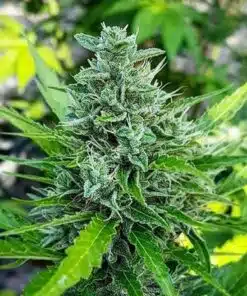
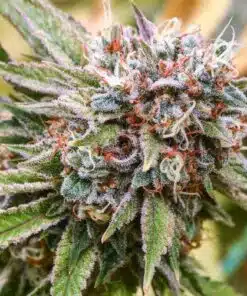
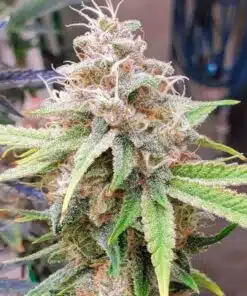
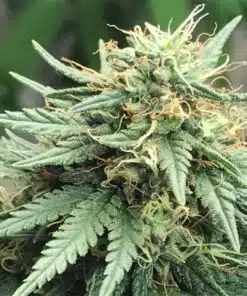
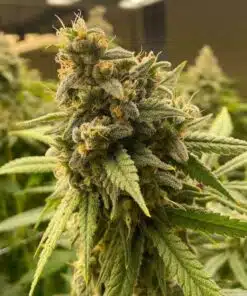
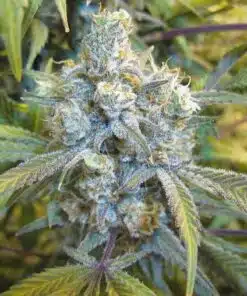
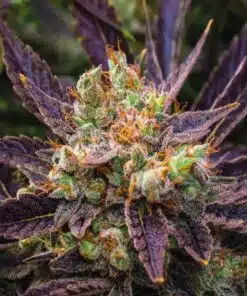
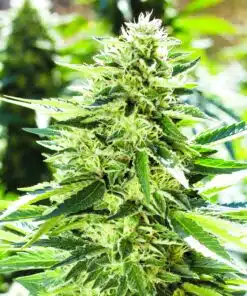
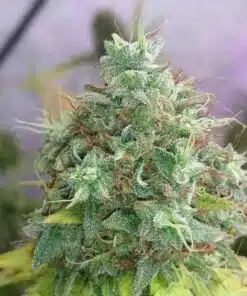
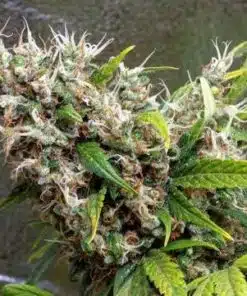
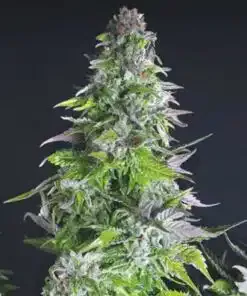
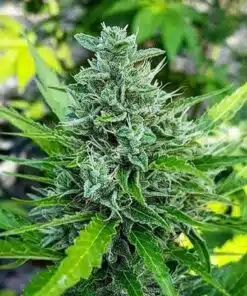
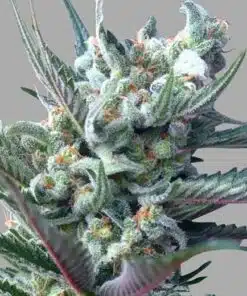
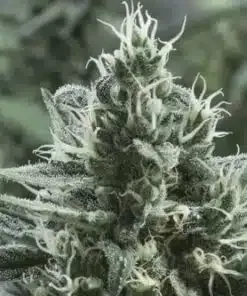
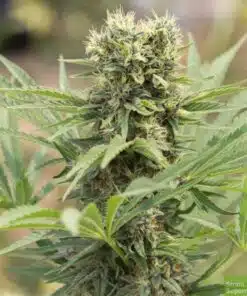
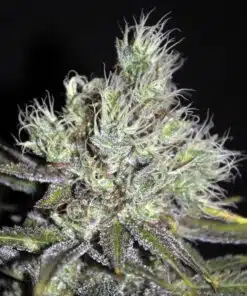
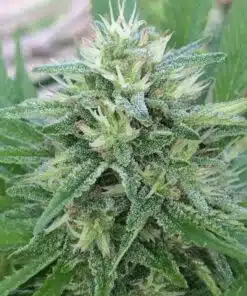
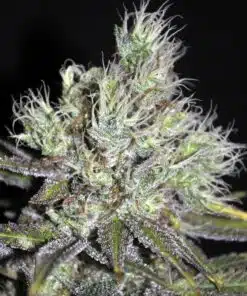
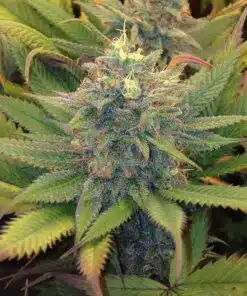
What Are Haze Cannabis Strains?
Haze refers to a major family of cannabis genetics associated with influential sativa-leaning breeding lines.
Over decades of breeding, Haze genetics have been crossed into many modern cultivars. As a result, there is no single plant structure, flowering time, or cannabinoid profile shared by every Haze strain.
Depending on the cultivar, growers may find:
- Sativa-dominant genetics
- More balanced hybrids
- Feminized seed options
- Autoflowering versions
- High-THC cultivars
- CBD-focused varieties
The individual product profile is more useful than assuming every Haze plant will grow the same way.
Common Characteristics of Haze Genetics
Many Haze-influenced plants are associated with vigorous growth and sativa-leaning structures.
Common tendencies may include:
- Taller plant height
- Longer internodal spacing
- Narrower foliage
- Strong flowering stretch
- Extended bloom periods
- Open branching
- Complex terpene profiles
These are broad tendencies rather than guarantees. Modern breeding has produced compact, faster-finishing, and more manageable Haze hybrids as well.
Growers comparing strongly sativa-leaning genetics can also browse our Cannabis Sativa Seeds collection.
How to Choose Haze Seeds
Start by comparing the actual growing characteristics of each cultivar.
Plant Height
Some Haze varieties can stretch significantly during flowering. Indoor growers should check expected mature height before choosing.
Flowering Time
Classic-style Haze genetics may require longer flowering windows, while modern hybrids can finish more quickly.
THC and CBD Profile
Cannabinoid levels vary across the category. Compare the individual product information rather than assuming every Haze cultivar has the same potency.
Yield Potential
Some varieties can become highly productive when given enough space and time. Yield estimates should be treated as comparison points rather than guaranteed results.
Growing Difficulty
Longer-flowering or highly vigorous cultivars may require more canopy management. New growers may prefer modern Haze hybrids with more manageable growth patterns.
Growing Haze Cannabis Indoors
Haze genetics can be grown indoors, but taller varieties require planning.
Important factors include:
- Available ceiling height
- Distance from the grow light
- Vegetative duration
- Flowering stretch
- Air circulation
- Plant spacing
- Canopy management
Growers may shorten the vegetative period or use training techniques to manage vigorous vertical growth.
For more detail on tents, rooms, airflow, environmental control, space planning, and indoor optimization, see our indoor cannabis growing guide.
Growing Haze Cannabis Outdoors
Many Haze-influenced cultivars can perform well outdoors when the climate provides enough warmth and a sufficiently long season.
Before choosing a strain, compare:
- Local season length
- Expected harvest window
- Temperature range
- Autumn rainfall
- Humidity
- Mature plant height
- Flowering duration
Long-flowering varieties may be difficult to finish in regions with early frost or wet autumn conditions. Growers in shorter seasons should pay close attention to the expected finish time of each cultivar.
Managing Tall Haze Plants
Vigorous Haze genetics may benefit from early canopy planning.
Depending on the strain and plant health, growers may use:
- Low-stress training
- Topping
- Branch positioning
- Trellising
- Selective pruning
- Canopy management
The goal is not simply to keep plants short. Good structure can improve space use and help distribute light more evenly across developing growth.
Our guide to cannabis training and yield techniques covers these approaches in greater detail.
Haze vs Other Sativa-Dominant Genetics
Haze is one branch within the much broader world of sativa-influenced cannabis.
Some growers choose Haze for its breeding history and distinctive genetic background, while others may prefer different sativa-dominant cultivars with shorter flowering times, more compact structures, or different terpene characteristics.
If speed is a major priority, compare the flowering windows listed on each product or browse our Fast-Flowering Cannabis Seeds collection for genetics selected around shorter finishing times.
Shop Haze Cannabis Seeds
Browse the products above to compare classic and modern Haze genetics by THC and CBD profile, sativa and indica balance, flowering time, plant height, yield potential, terpene characteristics, growing difficulty, and indoor or outdoor suitability.
Choose according to the complete strain profile and the conditions you can realistically provide. The strongest option is a cultivar that fits your available space, climate, schedule, and cultivation experience.