How to Get Rid of Fungus Gnats in Cannabis Plants
Jun
Fungus gnats are among the most common pests encountered in indoor cannabis cultivation. While adult gnats are mostly a nuisance, their larvae can damage roots, slow plant growth, and create ongoing stress throughout the grow cycle.
The good news is that fungus gnats are usually a symptom of environmental conditions rather than a serious infestation problem.
Understanding why they appear is the first step toward eliminating them.
What Are Fungus Gnats?
Fungus gnats are small flying insects commonly found around moist soil.
Their life cycle includes:
- Egg
- Larva
- Pupa
- Adult
Adult gnats lay eggs in damp growing media. Once hatched, larvae feed on organic matter and fine root tissue.
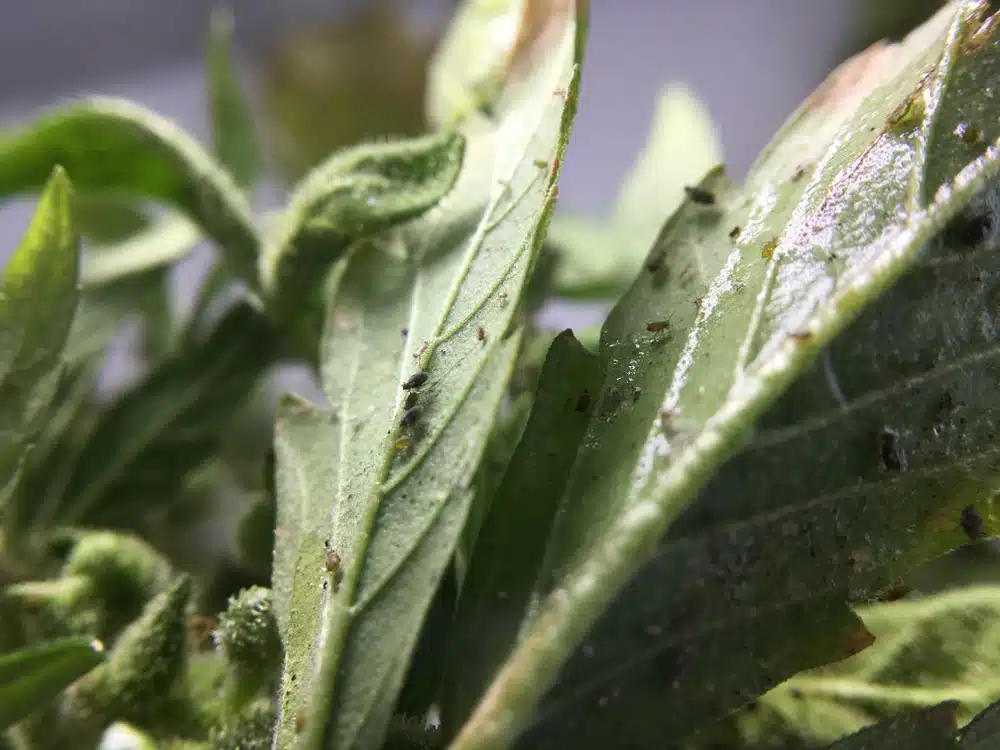
It is the larval stage that causes the most damage to cannabis plants.
Signs of a Fungus Gnat Problem
Common symptoms include:
- Small black flies around pots
- Slow plant growth
- Yellowing leaves
- Weak seedlings
- Reduced vigor
In severe infestations, root damage can lead to nutrient deficiencies and chronic stress.
What Causes Fungus Gnats?
The primary cause is excess moisture.
Conditions that attract fungus gnats include:
- Overwatering
- Poor drainage
- Constantly wet soil
- High organic matter content
- Limited airflow
Many growers unknowingly create ideal breeding conditions through frequent watering.
How to Eliminate Fungus Gnats
Let Soil Dry Between Waterings
In many cases, calcium is present in the growing medium but unavailable to the plant.
When root zone pH moves outside the ideal range, nutrient uptake becomes restricted.
Use Sticky Traps
Yellow sticky traps capture adult gnats and help monitor infestation levels.
While traps alone won’t solve the problem, they reduce breeding populations.
Improve Airflow
Better airflow helps dry the soil surface and makes conditions less favorable for insects.
Treat the Larvae
Larvae are the real problem.
Many growers use:
- Beneficial nematodes
- Bacillus thuringiensis israelensis (BTI)
- Neem-based products
Targeting larvae breaks the life cycle.
Preventing Fungus Gnats
Long-term prevention focuses on environmental management.
Best practices include:
- Water only when needed
- Improve drainage
- Avoid waterlogged containers
- Maintain healthy airflow
- Monitor new plants before introducing them
Healthy root zones are the best defense.
Final Thoughts
Fungus gnats rarely appear in properly managed root environments. Most infestations begin with excessive moisture and poor airflow.
By correcting growing conditions and targeting larvae, growers can eliminate fungus gnats without significant crop damage.
For more cannabis pest, disease, and stress troubleshooting, visit our Complete Guide to Cannabis Plant Problems & Fixes.