How to Grow Apple Tartz Feminized Cannabis Seeds
Oct
How to Grow Apple Tartz Feminized Cannabis Seeds
Apple Tartz has become a sought-after hybrid among growers looking for exceptional bag appeal, generous resin production, and dessert-inspired aromas. Created by crossing Apple Fritter with Runtz, this cultivar combines stable hybrid genetics with dependable growth characteristics that perform well in both indoor and outdoor environments.
Although Apple Tartz produces premium-quality flowers, it isn’t an overly demanding strain to cultivate. Growers who maintain a stable environment, consistent feeding schedule, and proper canopy management are often rewarded with dense, trichome-rich buds featuring sweet apple, creamy candy, and subtle spice aromas.
Whether you’re setting up your first grow tent or expanding your outdoor garden, understanding how Apple Tartz develops through each stage of growth can help maximize both yield and flower quality.
Apple Tartz at a Glance
| Growing Characteristic | Details |
|---|---|
| Seed Type | Feminized |
| Genetics | Apple Fritter × Runtz |
| Type | Balanced Hybrid |
| Grow Difficulty | Medium |
| Indoor Height | Medium |
| Outdoor Height | Medium to Tall |
| Flowering Time | 8–9 Weeks |
| Indoor Yield | Up to 550 g/m² |
| Outdoor Yield | Up to 550 g per plant |
| Harvest (Outdoor) | Late September to Early October |
| Best Environment | Indoor or warm outdoor climates |
Apple Tartz is valued for producing consistent plants with excellent resin coverage and attractive flower structure. Its balanced growth pattern makes it suitable for growers with limited experience while still offering enough vigor to satisfy experienced cultivators.
Apple Tartz Genetics and Plant Characteristics
Apple Tartz was developed by Clearwater Genetics using two highly respected modern cultivars.
Its parents include:
- Apple Fritter
- Runtz
Apple Fritter contributes vigorous growth, dense flower formation, and excellent resin production, while Runtz adds exceptional terpene complexity, colorful flowers, and balanced hybrid characteristics.
The result is a cultivar that typically develops medium-sized plants with strong lateral branching and sturdy stems capable of supporting heavy flowers throughout late bloom.
Apple Tartz generally displays:
- Strong branch development
- Moderate internodal spacing
- Thick fan leaves during vegetative growth
- Heavy trichome production during flowering
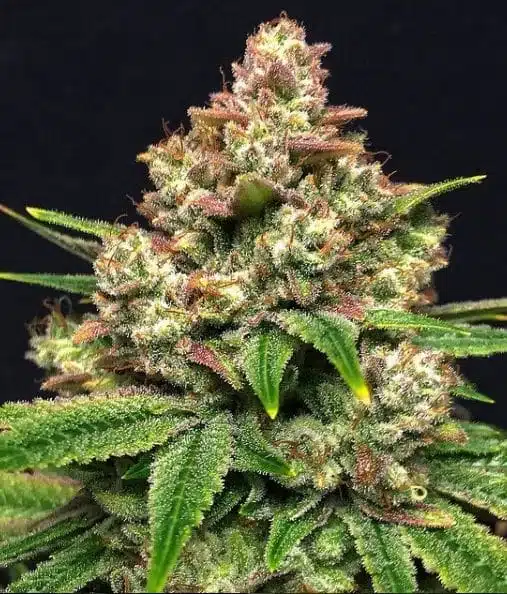
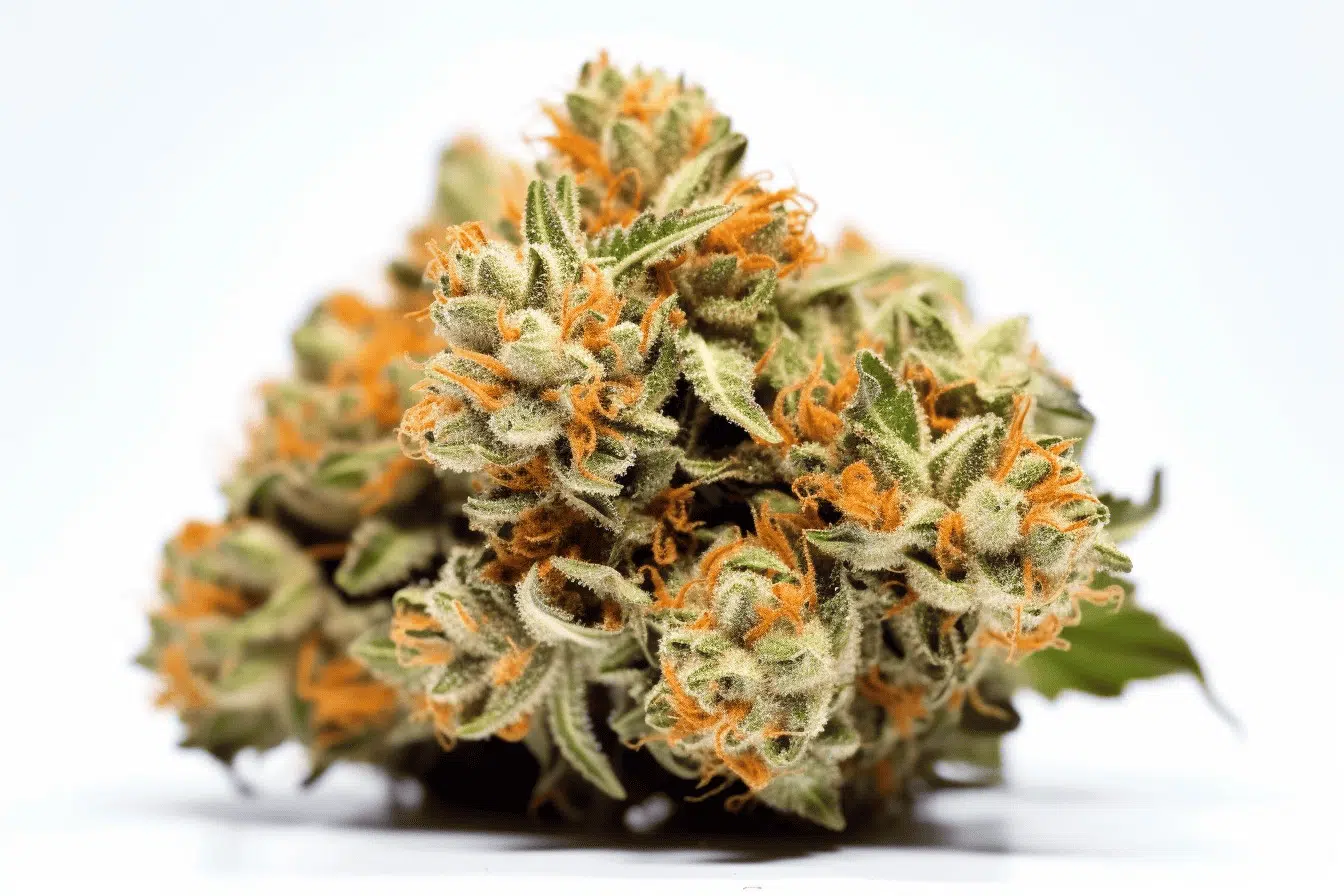
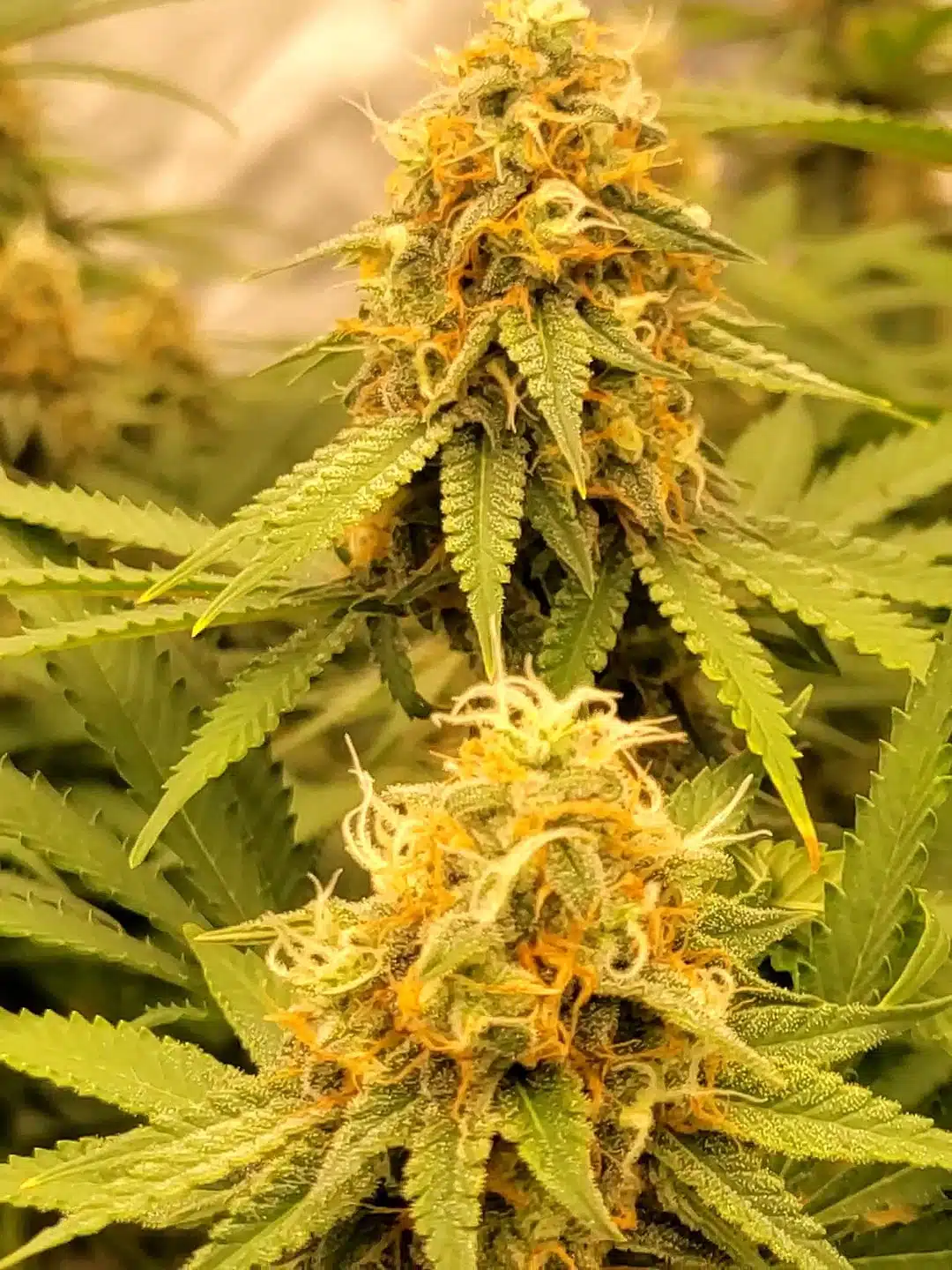
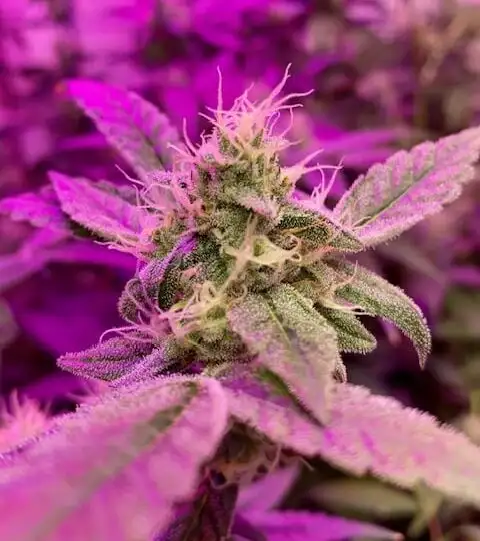
- Dense, compact buds with excellent bag appeal
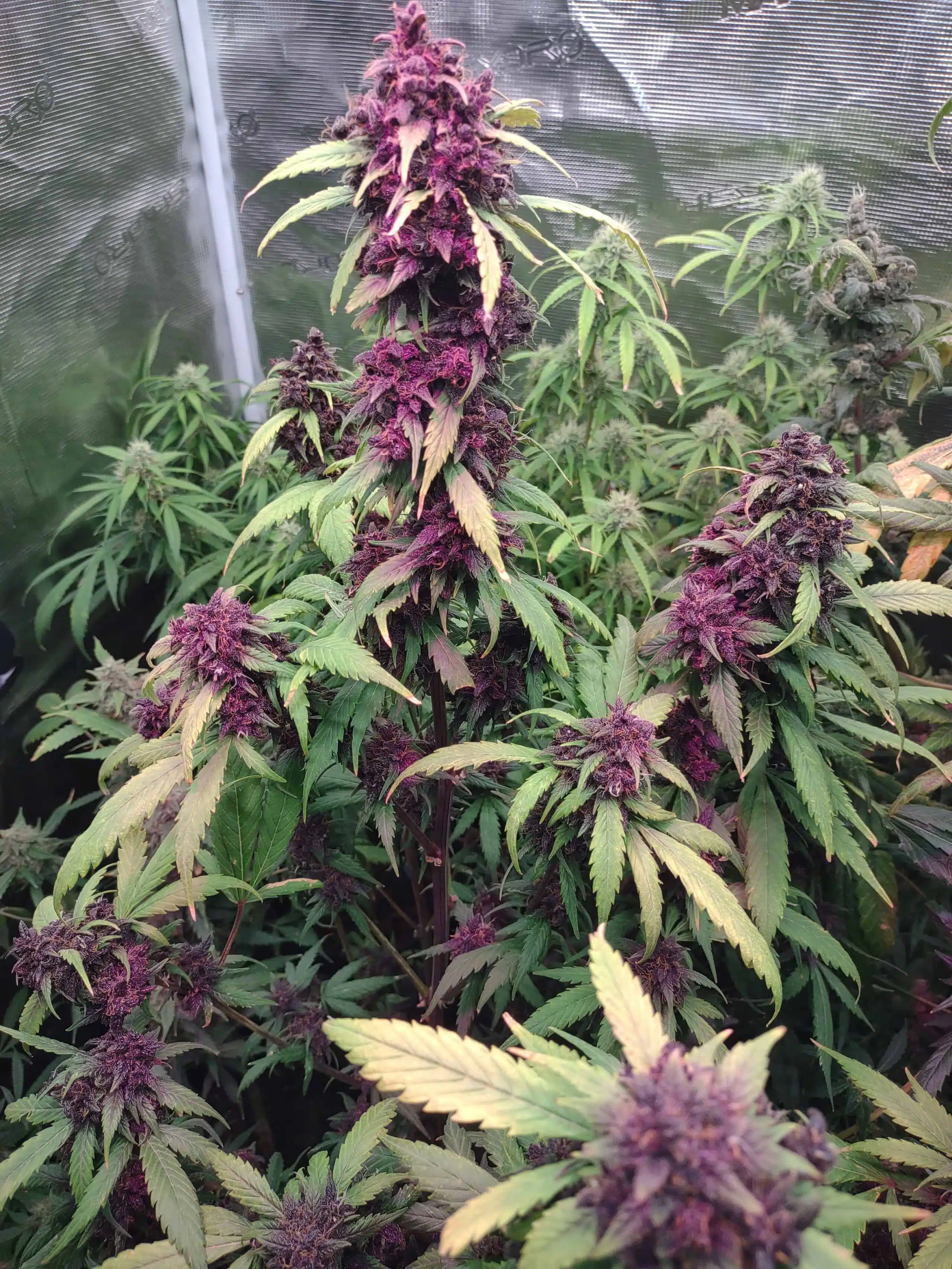
Many phenotypes display attractive shades of lime green accented by deep orange pistils. Under cooler nighttime temperatures during flowering, some plants may also develop subtle purple highlights.
Its vigorous hybrid structure responds well to common training methods, making it an excellent choice for growers looking to maximize canopy efficiency.

Growing Apple Tartz Indoors
Indoor cultivation provides the greatest level of environmental control and generally produces the highest-quality Apple Tartz flowers.
Maintaining stable temperatures, humidity, and airflow allows the plant to develop dense buds while preserving terpene production throughout flowering.
Aim for daytime temperatures between 70°F and 80°F (21–27°C) during vegetative growth. Nighttime temperatures can safely drop several degrees without affecting plant health.
Relative humidity should gradually decrease as flowering progresses:
- Seedling Stage: 65–70%
- Vegetative Growth: 55–60%
- Early Flowering: 45–50%
- Late Flowering: 40–45%
Lower humidity during the final weeks helps reduce the risk of mold while encouraging resin production.
Apple Tartz responds exceptionally well to modern full-spectrum LED lighting. During vegetative growth, maintain an 18/6 light schedule before switching to 12/12 to initiate flowering.
Strong airflow is equally important. Oscillating fans and proper exhaust ventilation help strengthen stems, regulate humidity, and keep dense flowers healthy throughout bloom.
Grow your own Apple Tartz
- GROW DIFFICULTY MEDIUM
- FLOWERING TYPE PHOTOPERIOD
- FLOWERING TIME 8-9 WEEKS
- HARVEST TIME September
- YIELD (INDOOR) 550G/M²
- YIELD (OUTDOOR) 550G/PLANT
- HEIGHT (INDOOR) MEDIUM
- HEIGHT (OUTDOOR) MEDIUM
Training Apple Tartz for Maximum Yields
Apple Tartz naturally develops a vigorous canopy with multiple side branches, making it an excellent candidate for plant training. Proper training improves light penetration, increases airflow, and encourages the plant to produce more evenly developed colas instead of one dominant main stem.
For most growers, topping the plant once or twice during the vegetative stage encourages additional branching and creates a flatter canopy. Once new branches develop, Low Stress Training (LST) can be used to gently spread the canopy and expose more flowering sites to direct light.
Indoor growers often achieve excellent results using the Screen of Green (ScrOG) method. By weaving branches through a screen during vegetative growth, the canopy remains level, allowing every flowering site to receive similar light intensity. This technique is particularly effective for Apple Tartz because of its strong lateral growth and moderate stretch after the flowering cycle begins.
Light defoliation can also improve airflow through the centre of the plant. Remove only large fan leaves that block developing bud sites rather than stripping excessive foliage. Healthy leaves continue producing energy throughout flowering, so moderation is key.
User Reviews and Testimonials
Users claim that the strain brings them to a state of euphoria. They state that it’s a great wake and bake option as it helps make mundane tasks seem exciting. Other users comment on how potent the body buzz is and state that it causes body-numbing effects.

Apple Tartz Feminized Seeds
THC: 25%
Yield: 550 Grams per plant
Flowering Time: 8 – 9 Weeks
- EXPRESS SHIPPING 1-5 DAY*
- GERMINATION GUARANTEED*
- FREE SEEDS WITH EVERY ORDER
1 Reviews
Growing Apple Tartz Outdoors
Apple Tartz performs well outdoors in regions with warm summers, good sunlight exposure, and moderate humidity. Growers in Mediterranean-style climates generally achieve the highest yields, although the strain adapts well to many temperate growing regions when protected from prolonged wet weather.
Choose a planting location that receives at least six to eight hours of direct sunlight each day. Well-draining soil enriched with compost or organic matter provides an excellent foundation for vigorous root development.
Outdoor plants often grow larger than their indoor counterparts and benefit from additional spacing to improve airflow around the canopy. Good air circulation helps reduce moisture buildup inside dense flowers during late flowering.
As flowering progresses, monitor weather forecasts carefully. Extended periods of rain combined with high humidity may increase the risk of bud rot on dense flowers. Temporary covers or greenhouse protection can help preserve flower quality near harvest.
Because Apple Tartz develops heavy buds late in bloom, many growers install bamboo stakes or trellis netting to support branches before they begin bending under the weight of mature flowers.
Soil, Coco, or Hydroponics?
Apple Tartz adapts well to several growing mediums, each offering its own advantages depending on your cultivation style.
Soil
Living soil remains the easiest option for most home growers. Organic soil naturally buffers nutrient fluctuations while encouraging healthy microbial activity around the root zone. Many growers also feel organically grown flowers produce richer aromas after curing.
Coco Coir
Coco offers faster growth than traditional soil while remaining relatively forgiving. Plants usually require more frequent irrigation and a carefully balanced nutrient schedule, but experienced growers often report improved growth rates and excellent yields.
Hydroponics
Hydroponic systems can produce rapid vegetative growth and outstanding harvests when environmental conditions remain stable. However, hydro requires close monitoring of pH, nutrient concentration, and water temperature. While Apple Tartz responds well to hydroponics, this method is generally better suited to growers with previous experience managing recirculating systems.
For first-time growers, high-quality soil or coco coir typically provides the best balance between performance and simplicity.
Flowering Time, Yield, and Harvest
One of the reasons growers enjoy cultivating Apple Tartz is its dependable flowering period and consistent production. Under stable growing conditions, plants typically complete flowering within 8–9 weeks, making this strain suitable for growers looking for relatively quick harvests without sacrificing flower quality.
Indoor growers can expect harvests of up to 550 g/m², while healthy outdoor plants commonly produce around 550 grams per plant when given plenty of sunlight and adequate root space.
During the final weeks of flowering, Apple Tartz focuses much of its energy on resin production. Dense buds become heavily coated in trichomes while aromas intensify noticeably. Good airflow and careful humidity control become increasingly important during this period to preserve flower quality.
Rather than harvesting according to the calendar alone, monitor trichome maturity with a jeweler’s loupe or microscope. Most growers harvest when the majority of trichomes appear cloudy with a smaller percentage beginning to turn amber.
After harvest, dry flowers slowly in a dark environment with temperatures around 60–70°F (15–21°C) and relative humidity close to 60%. Once properly dried, cure the buds in airtight glass jars for several weeks, opening them briefly each day during the first week to release excess moisture. A careful curing process allows Apple Tartz to fully develop its sweet apple, creamy candy, and subtle spice aromas.
Common Growing Challenges
Apple Tartz is generally considered a reliable hybrid, but like any cannabis cultivar, it performs best when environmental conditions remain stable.
Excess Humidity
Dense flowers can retain moisture late in bloom. Maintaining good airflow and gradually lowering humidity during flowering helps reduce the risk of mold and bud rot.
Overfeeding
Apple Tartz responds well to balanced nutrition but does not usually require excessive feeding. Watch leaf color and tip burn closely, increasing nutrient strength gradually rather than making sudden adjustments.
Overwatering
Allow the growing medium to partially dry between irrigations. Constantly saturated roots reduce oxygen availability and may slow overall plant development.
Plant Stretch
Some phenotypes display moderate stretch during the first two to three weeks after switching to a 12/12 light cycle. Early topping, Low Stress Training, or a ScrOG setup helps maintain an even canopy and keeps plants manageable indoors.
Is Apple Tartz Suitable for Beginners?
Although Apple Tartz rewards experienced cultivators with excellent harvests, it is also approachable for newer growers willing to maintain a stable growing environment.
Its strengths include:
- Reliable feminized genetics
- Strong branch development
- Good resistance to common cultivation issues
- Excellent response to training techniques
- Consistent flowering times
- High resin production
- Attractive bag appeal
Growers with a basic understanding of watering, nutrition, and environmental control can successfully cultivate Apple Tartz from seed to harvest.
Frequently Asked Questions
Is Apple Tartz easy to grow?
Apple Tartz is generally considered a medium-difficulty strain. Stable temperatures, moderate humidity, and proper feeding allow it to perform very well for growers with some basic cultivation experience.
Can Apple Tartz be grown outdoors?
Yes. Apple Tartz performs well outdoors in warm, sunny climates with good airflow and well-draining soil.
How long does Apple Tartz flower?
Most plants finish flowering in approximately 8–9 weeks, with outdoor harvests usually ready around late September or early October depending on the local climate.
Does Apple Tartz respond well to training?
Yes. Topping, Low Stress Training (LST), and the Screen of Green (ScrOG) technique all work exceptionally well with this cultivar and can help maximize light penetration and overall yields.
What makes Apple Tartz popular among growers?
Growers appreciate Apple Tartz for its balanced hybrid growth, reliable yields, dense resin-covered flowers, and distinctive dessert-inspired terpene profile.
Grow Premium Apple Tartz Feminized Cannabis Seeds
Successful cannabis cultivation always begins with quality genetics. Even the best growing environment cannot compensate for poor seed quality.
At The Seed Fair, our Apple Tartz Feminized Cannabis Seeds are selected for vigorous growth, dependable germination, and consistent performance indoors and outdoors. Combined with proper cultivation techniques, they provide growers with an excellent opportunity to produce dense, aromatic flowers with outstanding bag appeal and generous harvests.
Whether you’re adding Apple Tartz to your indoor garden or planning an outdoor grow, starting with premium genetics is the first step toward a rewarding cultivation experience.

Alexander Broodryk is a very skilled grower and has been writing about his experiences online for many years. With over 5 years in the Cannabis Industry Alexander is not only engaging with many of his audiences but also informational. Alex has a lot of writings about Cannabis all over online and we are very happy to have him here at The Seed Fair helping to contribute his well thorough content for our website. He is dedicated to educating readers on the latest developments and trends in this rapidly evolving market. Check out his biography under our Author pages at Alexander Broodryk, Author at The Seed Fair.