How to Grow Jealousy Strain: Complete Grow Guide From Seed to Harvest
Oct
Growing the Jealousy strain is one of the best ways to experience why this award-winning hybrid has become so popular among cannabis growers. Known for its exceptional resin production, dense buds, and balanced genetics, Jealousy combines excellent bag appeal with strong yields when grown under the right conditions.
Originally bred by Seed Junky Genetics from Sherbert Bx1 × Gelato 41, Jealousy quickly earned a reputation as one of the standout modern cannabis cultivars. It was even named Leafly’s Strain of the Year in 2022, thanks to its unique terpene profile, potent effects, and reliable cultivation performance.
For growers, however, awards don’t matter nearly as much as consistency.
The good news is that Jealousy is a forgiving photoperiod strain capable of producing heavy harvests both indoors and outdoors. While it isn’t completely maintenance-free, growers with basic cultivation experience can consistently produce large, frosty flowers by paying attention to humidity, airflow, nutrition, and proper plant training.
In this guide, we’ll cover everything you need to know about growing Jealousy cannabis—from choosing the right environment and feeding schedule to harvesting sticky, terpene-rich buds at peak maturity.
Main Features
| Strain Type | Hybrid (50% Indica / 50% Sativa) |
| THC Content | High (tests into the high 20s in terms of percentage) |
| CBD Content | Negligible or none |
| Aroma | Earthy, funky, with fuel-like notes from caryophyllene |
| Flavor | Notes of pepper, plum, and a creamy finish |
| Primary Effects | Giggly, Talkative, Relaxed |
| Potential Negatives | Anxious, Headache, Dizzy |
| Medical Applications | May help with anxiety, depression, and stress |
| Parent Strains | Sherbert Bx1 and Gelato 41 |
| Dominant Terpenes | Caryophyllene, limonene, myrcene (sometimes linalool and humulene) |
Why Grow the Jealousy Strain?
There are thousands of cannabis cultivars available today, but relatively few combine potency, flavor, resin production, and ease of cultivation as well as Jealousy.
Growers are often surprised by just how vigorous these plants become during vegetative growth. Strong lateral branching creates multiple flowering sites, making this strain an excellent candidate for training techniques like Low Stress Training (LST) or Screen of Green (SCROG).
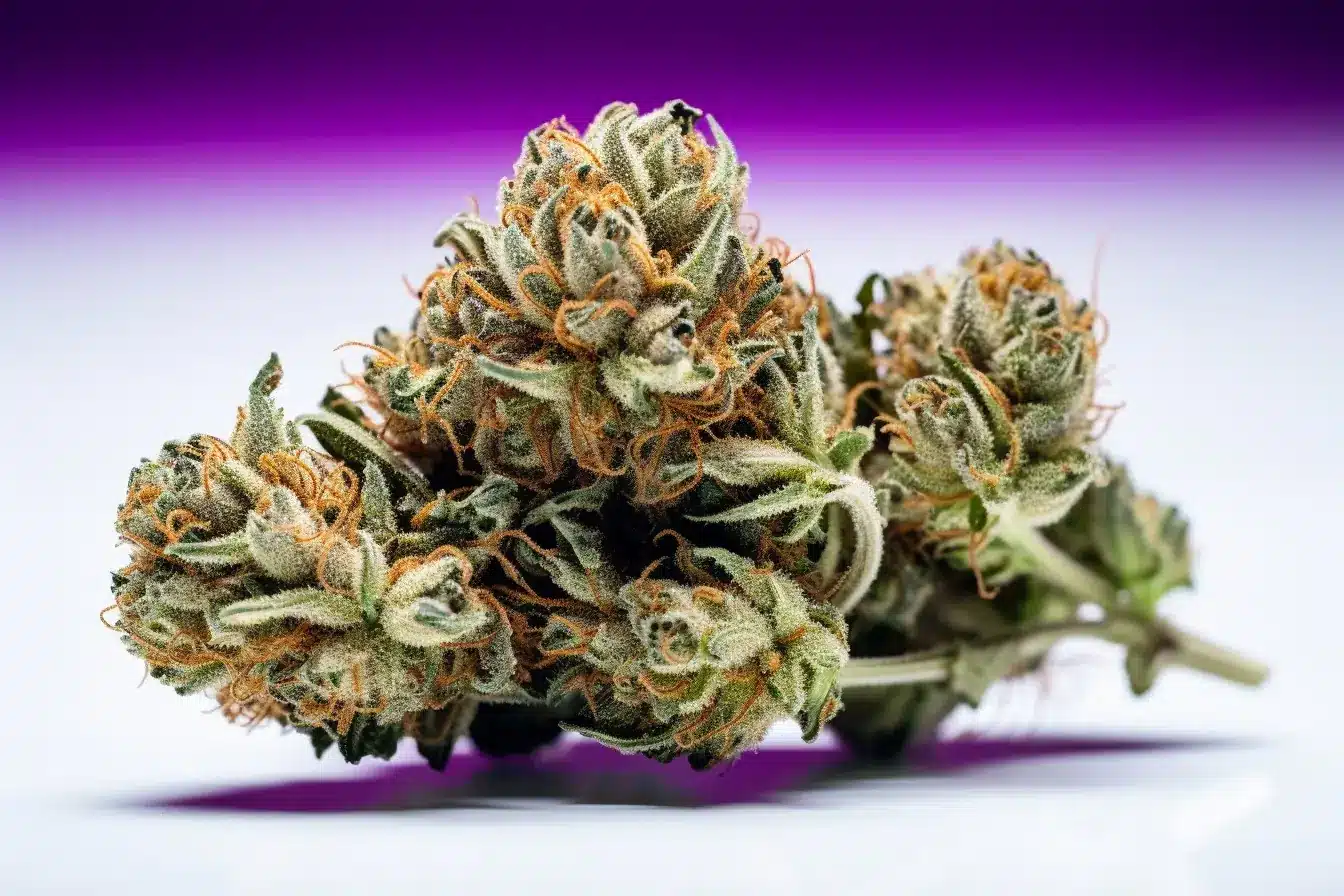
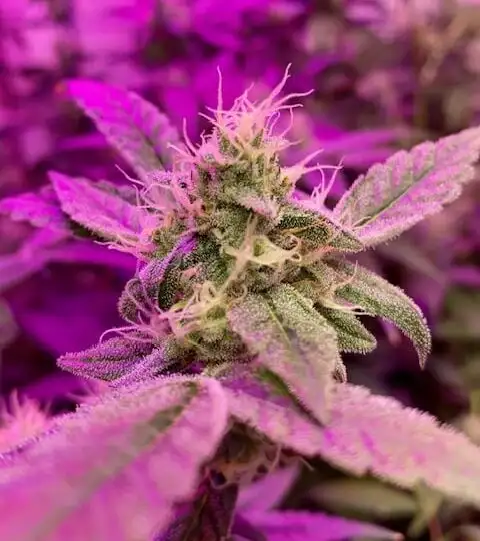
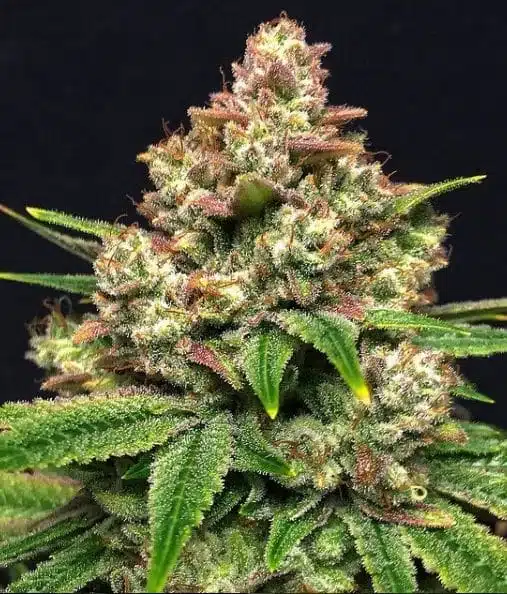
During flowering, Jealousy develops dense lime-green buds heavily coated with trichomes. Purple hues often emerge during the final weeks when nighttime temperatures drop slightly, creating exceptional visual appeal.
Many growers also appreciate Jealousy’s consistency.
Instead of producing unpredictable phenotypes, stable genetics generally create plants with similar growth patterns, flowering times, and bud structure, making canopy management much easier.
Some of the biggest reasons growers choose Jealousy include:
- Heavy resin production
- Excellent bag appeal
- Strong resistance to common growing mistakes
- High THC potential
- Dense, colorful flowers
- Excellent terpene production
- Strong indoor and outdoor performance
- Reliable yields
Although beginners can grow Jealousy successfully, intermediate growers often achieve exceptional results because they understand how to optimize airflow and humidity during late flowering.

Jealousy Feminized Seeds
THC: 30%
Yield: 450 Grams per plant
Flowering Time: 8 – 10 Weeks
- EXPRESS SHIPPING 1-5 DAY*
- GERMINATION GUARANTEED*
- FREE SEEDS WITH EVERY ORDER
8 Reviews
Flavor and Aroma Profile
The unique terpene profile makes Jealousy a popular choice among cannabis connoisseurs. Terpenes like the dominant caryophyllene, provides the notes of earth, fuel, pepper, and herbs. Limonene creates the citrus profile of juniper, lemon, lime, and oranges. Finally, myrcene is responsible for the hints of lemongrass, mango, and thyme.
When growing the Jealousy Strain you will notice olive green nugs that have a welcoming aromatic profile of fruit mix and diesel undertones. The buds will also has a delectable sweet, citrusy flavor with earthy hints.
The blend of sweet, fruity flavors means that this strain pairs well with smoothies, infused waters, and mint tea.
Jealousy Terpene Profile
| Terpene | Aroma | Potential Effects | Notes |
| Caryophyllene | Spicy, peppery | May provide stress relief and anti-inflammatory properties | Known for its fuel-like aroma, caryophyllene is a common terpene in many cannabis strains and is unique for its ability to interact with the endocannabinoid system. |
| Limonene | Citrus | May elevate mood and relieve stress | Limonene is often associated with bright, citrusy aromas and is believed to provide mood-enhancing and stress-relieving effects. |
| Myrcene | Earthy, musky | May have sedative and relaxing effects | Myrcene is one of the most common terpenes in cannabis and is known for its earthy, musky aroma. It’s often linked to the sedative qualities of some strains. |
| Linalool | Floral | May provide calming and anti-anxiety effects | Linalool, while not always present, adds a floral touch to the strain and is known for its potential calming and anti-anxiety properties. |
| Humulene | Woody, earthy | May offer anti-inflammatory and appetite suppressant effects | Humulene contributes to the woody, earthy notes of the strain and is known for its potential anti-inflammatory properties and ability to suppress appetite. |
Growing Jealousy Indoors
Indoor cultivation is where Jealousy truly shines.
Controlling temperature, humidity, lighting, and airflow allows this strain to reach its full genetic potential while reducing the risk of mold developing inside its dense flowers.
Jealousy responds extremely well to modern LED grow lights and produces thick canopies that benefit from regular pruning throughout vegetative growth.
Temperature
Maintain daytime temperatures between 70°F and 80°F (21–27°C).
Nighttime temperatures can safely drop to around 65°F (18°C) without slowing growth.
Avoid large temperature swings, especially late in flowering.
Humidity
Humidity should gradually decrease as plants mature.
Recommended relative humidity:
- Seedling: 65–70%
- Vegetative growth: 55–60%
- Early flowering: 45–50%
- Late flowering: 40–45%
Because Jealousy develops compact flowers, keeping humidity too high during the final weeks dramatically increases the risk of bud rot.
Lighting
Like most photoperiod cannabis strains, Jealousy performs best under:
Vegetative Stage
- 18 hours light
- 6 hours darkness
Flowering Stage
- 12 hours light
- 12 hours darkness
High-quality full-spectrum LED fixtures generally produce excellent resin development while reducing excess heat inside the grow room.
Airflow
One area where many growers underestimate Jealousy is ventilation.
Its dense foliage can trap moisture between branches if left unmanaged.
Use oscillating fans beneath and above the canopy while maintaining consistent air exchange through your exhaust system.
Good airflow helps:
- Strengthen stems
- Reduce mold risk
- Improve transpiration
- Support larger flowers
- Maintain even canopy temperatures
Defoliating large fan leaves during late vegetative growth also improves airflow through the center of the plant without causing excessive stress.
Grow your own Jealousy Seeds
- GROW DIFFICULTY MEDIUM
- FLOWERING TYPE PHOTOPERIOD
- FLOWERING TIME 8-10 WEEKS
- HARVEST TIME (OUTDOOR) OCTOBER
- YIELD (INDOOR) 400–500G/M²
- YIELD (OUTDOOR) 550-600G/PLANT
- HEIGHT (INDOOR) MEDIUM
- HEIGHT (OUTDOOR) 200-300CM
Consumer Reviews and Experiences
Jealousy is a fan favorite in the 420 community. Just have a look at the raving reviews and ratings that happy customers have given this strain.
“Jealousy is an amazing strain and has given me a lot of great benefits. I am getting the best of both worlds as it is a balance of Sativa and Indica. I am not getting sleepy on this strain but am still able to work and be creative throughout my day.” – Todd M
“Very happy I purchased this product. The harvest was great and was able to produce very good yields. I can see why this has won many awards over the last couple years.” – Mason
Growing Jealousy Outdoors
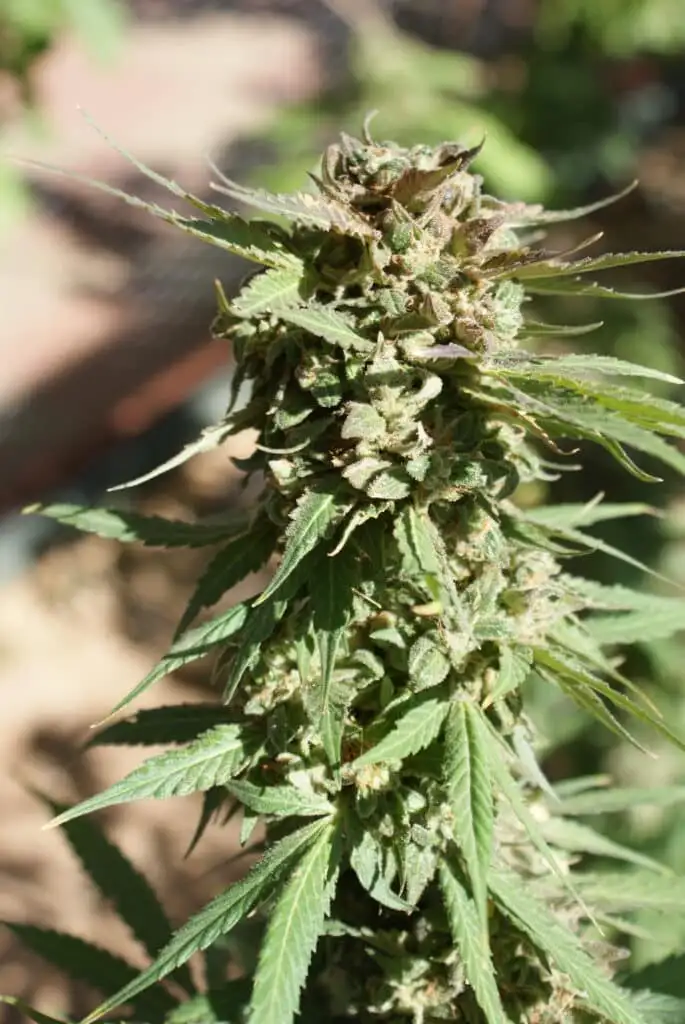
Although Jealousy is often considered an indoor favorite, it can produce outstanding harvests outdoors in the right climate. Warm days, cool evenings, consistent sunlight, and good airflow help this cultivar develop its signature colorful flowers and thick layer of trichomes.
Growers in Mediterranean-style climates generally achieve the best results, but Jealousy also performs well throughout many parts of North America when planted after the danger of frost has passed.
Outdoor plants typically become much larger than their indoor counterparts, often reaching 6–8 feet (180–250 cm) with enough root space.
Ideal Outdoor Conditions
For the healthiest plants, aim for:
- Daytime temperatures between 70–82°F (21–28°C)
- Cool nights around 60–68°F (16–20°C)
- Full sun for at least 6–8 hours daily
- Well-draining, nutrient-rich soil
- Good airflow around each plant
Avoid planting too close together. Proper spacing improves light penetration while reducing humidity trapped inside the canopy.
In favorable conditions, outdoor growers can harvest approximately 550–650 grams per plant, with harvest usually occurring during early to mid-October.
Should You Grow Jealousy in Soil, Coco, or Hydro?
One of Jealousy’s strengths is its ability to adapt to different growing mediums.
Each has advantages depending on your experience level.
Growing in Soil
For most growers, soil remains the easiest and most forgiving option.
High-quality living soil provides beneficial microbes, buffers nutrient fluctuations, and allows plants to recover from minor mistakes more easily.
Benefits include:
- Better flavor development
- Easier nutrient management
- Greater forgiveness for beginners
- Healthy root biology
If you’re new to cultivation, soil is generally the best choice.
For a complete walkthrough, see our Cannabis Nutrients Guide and How to Germinate Cannabis Seeds guide.
Growing in Coco Coir
Coco offers faster growth than traditional soil while still providing excellent oxygen around the roots.
Plants usually grow more vigorously, but coco requires more frequent irrigation and careful nutrient management.
Many experienced growers prefer coco because it combines hydroponic growth rates with the familiarity of container growing.
Growing Hydroponically
Hydroponic systems can produce the fastest growth and highest yields.
However, they also require constant monitoring of:
- pH
- EC
- Water temperature
- Nutrient concentrations
Small mistakes can affect plant health quickly, making hydro better suited to experienced growers.
Feeding Jealousy Throughout Its Life Cycle
Jealousy is not considered a particularly heavy feeder.
In fact, overfeeding is one of the few mistakes that regularly limits this strain’s potential.
A moderate feeding schedule typically produces healthier plants than trying to push maximum nutrient levels.
Seedling Stage
During the first two weeks:
- Little or no fertilizer if using quality soil
- Mild root stimulant (optional)
- pH-balanced water
Healthy roots are more important than rapid top growth.
Vegetative Stage
As growth accelerates, nitrogen becomes the primary nutrient.
Focus on:
- Nitrogen
- Calcium
- Magnesium
- Balanced micronutrients
Watch leaf color closely.
Dark green leaves often indicate excessive nitrogen, while pale green leaves may signal deficiencies.
Flowering Stage
Once flowering begins, gradually transition toward bloom nutrients containing:
- Higher phosphorus
- Higher potassium
- Slightly reduced nitrogen
Avoid making sudden nutrient changes.
Gradual adjustments allow the plant to continue stretching while building large flower sites.
Late in flowering, monitor runoff and avoid excessive salt buildup that can reduce terpene production.
Watering Best Practices
Jealousy prefers a wet-and-dry cycle rather than constantly saturated roots.
Allow the growing medium to dry slightly between waterings.
Signs of overwatering include:
- Drooping leaves
- Slow growth
- Weak stems
- Reduced oxygen around roots
Healthy watering habits encourage aggressive root development and stronger plants throughout flowering.
Training Techniques That Increase Yield
Jealousy responds exceptionally well to plant training.
Because it naturally develops numerous side branches, opening the canopy allows more light to reach future bud sites.
Low Stress Training (LST)
LST is one of the easiest ways to improve yields.
Begin around weeks 3–4 by gently bending branches outward.
Benefits include:
- More flowering sites
- Better airflow
- More even canopy
- Larger overall harvest
Topping
Many growers top Jealousy once during vegetative growth.
This encourages multiple main colas rather than one dominant stem.
Only top healthy, vigorously growing plants.
SCROG (Screen of Green)
Jealousy is particularly well suited to SCROG.
Its flexible branches weave easily through a screen, creating an even canopy where every flower receives similar light intensity.
Indoor growers using SCROG frequently report noticeably larger harvests compared to untrained plants.
If you’re new to these techniques, our Low Stress Training (LST) Guide, SCROG Guide, and Cannabis Defoliation Guide explain each method in detail.
Common Growing Problems
Jealousy is a resilient cultivar, but no cannabis strain is completely problem-free.
Pay close attention to these common issues.
Bud Rot
Because flowers become dense late in flowering, high humidity can lead to mold developing inside the buds.
Prevent this by:
- Maintaining humidity below 45%
- Improving airflow
- Removing excess foliage
- Inspecting flowers regularly
Nutrient Burn
Brown leaf tips often indicate excessive feeding.
Reduce nutrient strength before increasing it again slowly.
Stretch During Flowering
Like many balanced hybrids, Jealousy stretches significantly during the first two to three weeks after switching to a 12/12 light cycle.
Plan your grow space accordingly and continue training early in flower to maintain an even canopy.
Strong Aroma
One surprise for first-time growers is Jealousy’s powerful scent.
During late flowering, the sweet, creamy, fuel-like aroma becomes extremely noticeable.
Indoor growers should consider installing a quality carbon filter to help control odors.
Harvesting Jealousy at the Right Time
After weeks of careful cultivation, harvesting at the proper time is one of the biggest factors affecting potency, aroma, and overall bud quality.
Many first-time growers harvest too early, sacrificing both cannabinoid development and terpene production.
Instead of relying solely on flowering time, inspect your trichomes using a jeweler’s loupe or digital microscope.
Signs Jealousy Is Ready to Harvest
Look for these indicators:
- Trichomes are mostly cloudy or milky white
- Around 10–20% of trichomes have turned amber
- Pistils have darkened and curled inward
- Fan leaves begin fading naturally
- Buds feel dense and firm
Harvesting at this stage typically provides the balanced, relaxing yet uplifting effects that have made Jealousy one of the most popular modern cannabis cultivars.
Although flowering generally finishes in 8–10 weeks, always judge maturity by the plant—not the calendar.
Drying and Curing
Growing great cannabis doesn’t end at harvest.
Proper drying and curing preserve the cannabinoids and delicate terpene profile that Jealousy is known for.
Many growers lose quality during this stage by drying buds too quickly.
Drying
Hang whole plants or individual branches upside down in a dark room with:
- Temperature: 60–68°F (15–20°C)
- Relative humidity: 55–60%
- Gentle air circulation
- No direct fan blowing on the flowers
Drying usually takes 7–14 days, depending on bud density and environmental conditions.
Buds are ready for curing when the smaller stems snap instead of bending.
Curing
Place trimmed buds into airtight glass jars filled approximately 70–75%.
For the first two weeks:
- Open jars once or twice daily for 10–15 minutes.
- Check for excess moisture.
- Rotate buds gently.
After several weeks of curing, you’ll notice:
- Smoother smoke
- Better aroma
- Improved flavor
- Enhanced terpene preservation
- More consistent burn
Many experienced growers cure Jealousy for four to eight weeks before enjoying the finished flower.
Is Jealousy a Good Strain for Beginners?
Yes—with a small caveat.
Jealousy is forgiving enough for newer growers, but it performs best when basic cultivation fundamentals are already understood.
If you’ve completed one or two successful grows, this strain is an excellent next step.
Beginners should pay particular attention to:
- Avoiding overwatering
- Maintaining proper humidity during flowering
- Using moderate nutrient levels
- Providing strong airflow
- Controlling odor late in flower
Because Jealousy naturally produces vigorous growth and strong branching, it rewards growers who spend a little extra time training and maintaining an even canopy.
Frequently Asked Questions
How difficult is Jealousy to grow?
Most growers consider Jealousy an easy to moderately difficult strain. It is resilient, adaptable, and forgiving, making it suitable for beginners with some basic cultivation experience.
How long does Jealousy take to flower?
Indoor flowering typically takes 8–10 weeks. Outdoor plants are usually ready to harvest during early to mid-October, depending on your local climate.
Is Jealousy better indoors or outdoors?
Both environments produce excellent results, but indoor cultivation offers greater control over temperature, humidity, and lighting. This helps maximize resin production while reducing the risk of mold in the dense flowers.
Does Jealousy respond well to training?
Yes. Jealousy performs exceptionally well with:
- Low Stress Training (LST)
- Topping
- Screen of Green (SCROG)
- Light defoliation
These techniques improve light penetration, airflow, and overall yields.
What does Jealousy smell like while growing?
During flowering, Jealousy develops a strong aroma featuring sweet cream, citrus, fuel, earth, and subtle peppery notes. Indoor growers should consider using a carbon filter to manage odor.
Start Growing Jealousy with Stable Genetics
Even the best growing techniques cannot compensate for poor-quality genetics.
Starting with stable, vigorous seeds gives your plants the best opportunity to develop dense flowers, heavy resin production, and consistent yields from harvest to harvest.
Our Jealousy Feminized Cannabis Seeds are selected for strong germination rates, reliable genetics, and vigorous growth, making them an excellent choice for growers looking to produce premium-quality cannabis at home.
Whether you’re growing indoors under LED lights or outdoors in a sunny garden, combining quality genetics with proper cultivation practices will help you get the most from this award-winning hybrid.
Happy growing!

Alexander Broodryk is a very skilled grower and has been writing about his experiences online for many years. With over 5 years in the Cannabis Industry Alexander is not only engaging with many of his audiences but also informational. Alex has a lot of writings about Cannabis all over online and we are very happy to have him here at The Seed Fair helping to contribute his well thorough content for our website. He is dedicated to educating readers on the latest developments and trends in this rapidly evolving market. Check out his biography under our Author pages at Alexander Broodryk, Author at The Seed Fair.