How to Grow Strawberry Lemonade Strain From Seed to Harvest
Oct
Few cannabis strains combine outstanding flavor, vigorous growth, and impressive resin production quite like Strawberry Lemonade. This award-winning sativa-dominant hybrid has become a favorite among home growers because it produces beautiful, aromatic flowers while remaining relatively forgiving throughout the growing cycle.
Created by crossing Strawberry Cough with Lemon OG, Strawberry Lemonade inherits the uplifting characteristics of its sativa lineage while maintaining the structure and resin production of its indica influence. The result is a plant capable of producing generous harvests of dense, trichome-covered buds bursting with sweet strawberry and citrus aromas.
While many growers first discover Strawberry Lemonade because of its unique flavor profile, they often continue growing it because of its reliable performance. Given proper lighting, nutrition, and environmental control, this cultivar rewards growers with consistent yields and exceptional flower quality.
Whether you’re growing indoors under LED lights or outdoors in a warm climate, this guide covers everything you need to know to produce healthy Strawberry Lemonade plants from seed through harvest.
Strawberry Lemonade Grow Facts
| Characteristic | Details |
|---|---|
| Genetics | Strawberry Cough × Lemon OG |
| Type | Sativa-Dominant Hybrid |
| Flowering Type | Photoperiod |
| Flowering Time | 8–10 Weeks |
| THC | 20–28% |
| CBD | Low |
| Indoor Yield | 500–600 g/m² |
| Outdoor Yield | 800–1200 g per plant |
| Indoor Height | Medium to Tall |
| Outdoor Height | Up to 250 cm |
| Outdoor Harvest | October |
| Growing Difficulty | Moderate |
| Best Environment | Indoor grow rooms, greenhouses, warm outdoor climates |

Strawberry Lemonade
THC: 20%
Yield: 400 Grams per plant
Flowering Time: 7 – 9 Weeks
- EXPRESS SHIPPING 1-5 DAY*
- GERMINATION GUARANTEED*
- FREE SEEDS WITH EVERY ORDER
1 Review
Why Grow Strawberry Lemonade?
Strawberry Lemonade stands out for more than just its sweet aroma.
It combines vigorous vegetative growth with heavy resin production, making it attractive to growers interested in both flower quality and extraction potential.
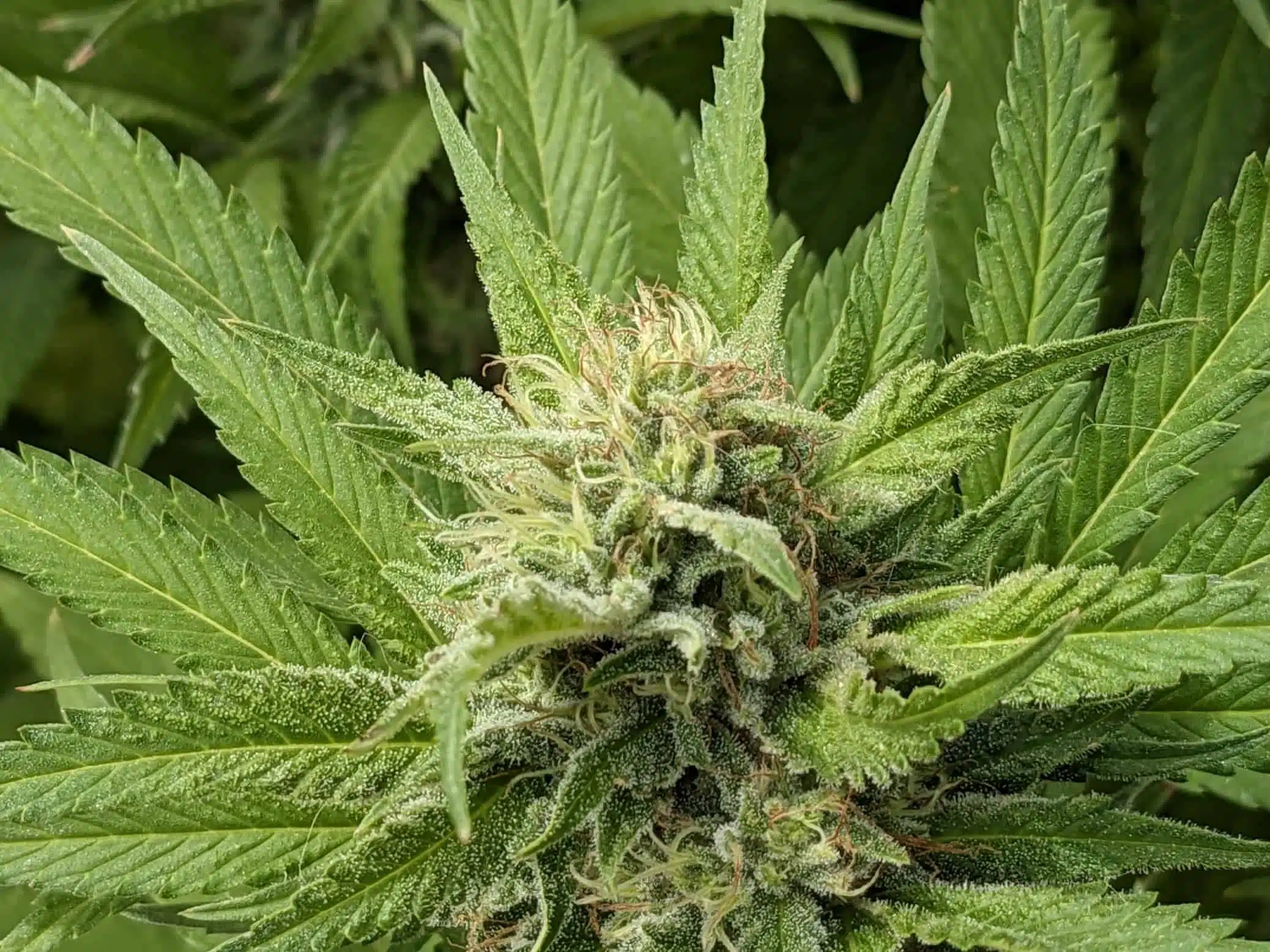
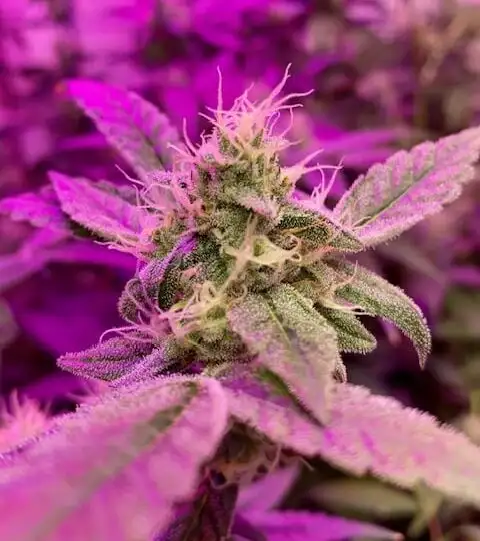
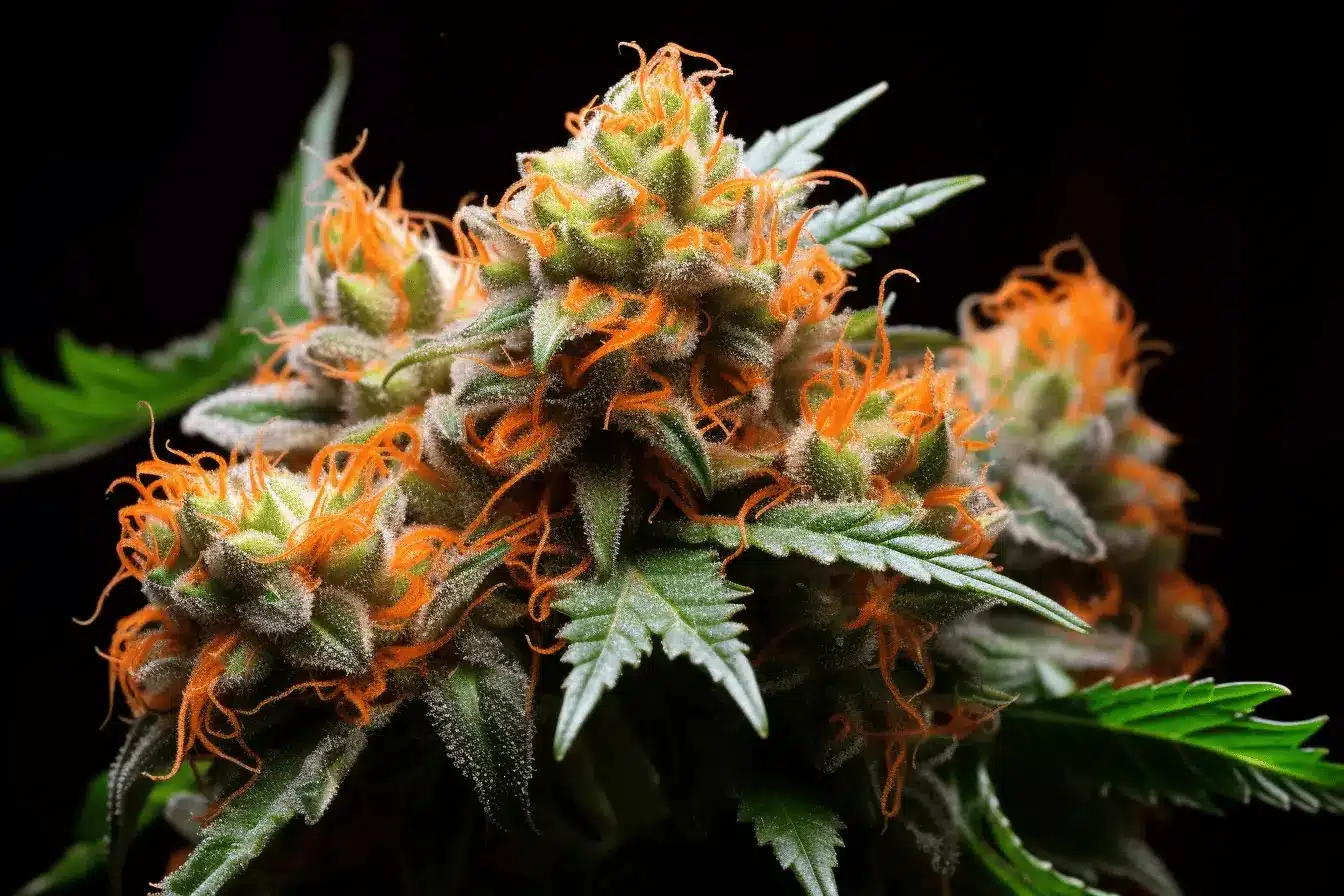
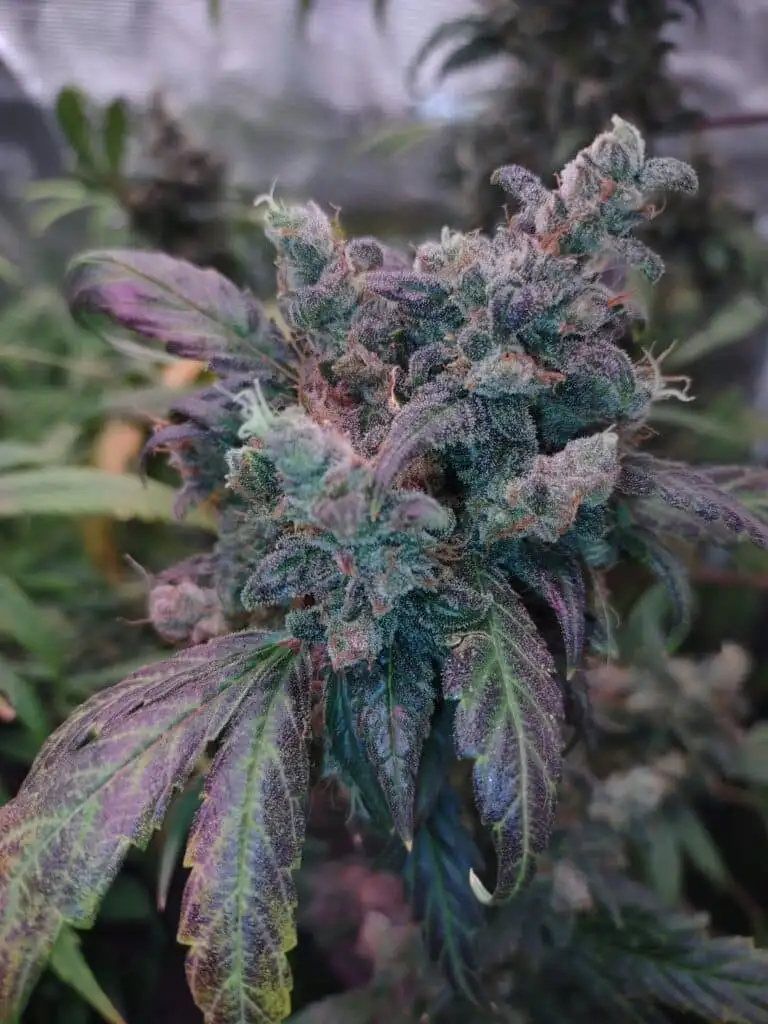
Healthy plants typically produce long, spear-shaped colas coated with sticky trichomes during late flowering. Cooler nighttime temperatures may also encourage subtle purple coloration while preserving the cultivar’s bright green flowers and vibrant orange pistils.
Many growers appreciate Strawberry Lemonade because it offers:
- Excellent terpene production
- Strong resistance to common garden pests
- High THC potential
- Heavy resin coverage
- Vigorous vegetative growth
- Large outdoor harvests
- Exceptional bag appeal
- Sweet strawberry and citrus aromas
Although this cultivar grows well in many environments, it performs best when growers maintain stable temperatures, proper humidity, and consistent airflow throughout flowering.

Growing Strawberry Lemonade Indoors
Indoor cultivation gives growers complete control over the environment, allowing Strawberry Lemonade to express its full genetic potential.
Because this cultivar leans heavily toward its sativa heritage, it naturally stretches during vegetative growth and continues growing rapidly during the first few weeks of flowering.
Planning adequate vertical space before switching to a 12/12 light schedule helps avoid overcrowding later in the grow.
Temperature
Maintain daytime temperatures between 70°F and 80°F (21–27°C).
Nighttime temperatures between 64°F and 70°F (18–21°C) help maintain healthy growth while encouraging terpene development.
Avoid excessive heat above 82°F whenever possible, as high temperatures can reduce terpene retention during flowering.
Humidity
Gradually lower humidity as plants mature.
Recommended targets include:
- Seedlings: 65–70%
- Vegetative growth: 55–60%
- Early flowering: 45–50%
- Late flowering: 40–45%
Reducing humidity during the final weeks helps prevent mold while encouraging dense flower development.
Lighting
Strawberry Lemonade performs exceptionally well under full-spectrum LED grow lights.
Most growers use:
Vegetative Growth
- 18 hours of light
- 6 hours of darkness
Flowering
- 12 hours of light
- 12 hours of darkness
Strong, even light coverage produces tighter internodes and more uniform flower development throughout the canopy.
Airflow
This cultivar develops dense branching as flowering progresses.
Good airflow is essential for:
- Preventing mold
- Strengthening stems
- Improving transpiration
- Maintaining consistent canopy temperatures
- Supporting heavy flower production
Use oscillating fans above and below the canopy while ensuring your exhaust system exchanges air efficiently throughout the grow room.
Odor Control
One surprise for first-time growers is how fragrant Strawberry Lemonade becomes during late flowering.
Sweet berry aromas mixed with citrus quickly fill the grow room once trichome production accelerates.
Installing a quality carbon filter helps control odor while maintaining proper ventilation.
Grow your own Strawberry Lemonade Seeds
- GROW DIFFICULTY MEDIUM
- FLOWERING TYPE PHOTOPERIOD
- FLOWERING TIME 9-10 WEEKS
- HARVEST TIME (OUTDOOR) OCTOBER
- YIELD (INDOOR) 500-600G/M²
- YIELD (OUTDOOR) 1000-1200G/PLANT
- HEIGHT (INDOOR) MEDIUM
- HEIGHT (OUTDOOR) 250CM
Growing Strawberry Lemonade Outdoors
Strawberry Lemonade performs exceptionally well outdoors when grown in a warm, sunny climate with a long growing season. Thanks to its vigorous sativa growth, this cultivar has plenty of room to stretch, producing large plants capable of delivering impressive harvests.
Outdoor growers often report that Strawberry Lemonade develops a stronger terpene profile under natural sunlight, with the sweet berry and citrus aromas becoming even more pronounced as harvest approaches.
For the best results, plant outdoors after the final spring frost once nighttime temperatures remain consistently above 55°F (13°C).
Ideal Outdoor Conditions
Aim to provide:
- Daytime temperatures between 70–82°F (21–28°C)
- Plenty of direct sunlight (6–8+ hours daily)
- Well-draining, nutrient-rich soil
- Moderate humidity
- Good airflow between plants
Because Strawberry Lemonade develops a large canopy, spacing plants properly helps improve light penetration while reducing the risk of mold during flowering.
Under ideal outdoor conditions, growers can expect harvests of approximately 800–1,200 grams per plant, with harvest typically taking place during October, depending on climate.
Soil vs. Coco vs. Hydro
One reason Strawberry Lemonade remains popular is its adaptability across different growing mediums.
Each option offers advantages depending on your experience level and cultivation style.
Growing in Soil
Quality soil remains the easiest and most forgiving medium.
Living soil provides beneficial microbes that improve nutrient availability while helping buffer against small feeding mistakes.
Benefits include:
- Excellent terpene development
- Easier watering management
- Healthy root biology
- Greater forgiveness for beginners
For newer growers, soil is generally the best place to start.
Growing in Coco Coir
Coco encourages faster growth than soil by increasing oxygen around the root zone.
Plants often grow more vigorously but require:
- More frequent watering
- Regular nutrient feeding
- Close monitoring of pH
Many experienced growers enjoy coco because it combines hydroponic growth rates with the simplicity of container gardening.
Growing Hydroponically
Hydroponic systems can maximize both speed and yield, but they demand greater precision.
Monitor regularly:
- Water temperature
- pH
- Electrical conductivity (EC)
- Nutrient concentration
Because hydro reacts quickly to mistakes, it’s usually better suited for experienced cultivators.
Feeding Strawberry Lemonade
Despite producing large harvests, Strawberry Lemonade is not considered an extremely heavy feeder.
Consistent nutrition usually performs better than aggressive feeding schedules.
Seedling Stage
During the first two weeks:
- Water only or very light feeding
- Root stimulant (optional)
- Maintain stable moisture
Healthy root development should always take priority over rapid top growth.
Vegetative Growth
As plants begin vigorous growth, nitrogen becomes the primary nutrient.
Focus on supplying:
- Nitrogen
- Calcium
- Magnesium
- Trace minerals
Healthy vegetative growth builds the strong branch structure needed to support large flowers later.
Flowering
Once flowering begins, gradually shift toward bloom nutrients containing:
- Higher phosphorus
- Higher potassium
- Reduced nitrogen
Avoid sudden nutrient changes.
Steady adjustments help the plant transition smoothly into flower production while maintaining healthy foliage.
Toward the end of flowering, monitor runoff to prevent excessive salt buildup that can reduce terpene quality.
Watering
Strawberry Lemonade prefers consistent moisture without constantly wet roots.
Allow the growing medium to dry slightly before watering again.
Common signs of overwatering include:
- Drooping leaves
- Slow growth
- Weak stems
- Reduced oxygen around the roots
Deep watering followed by a short drying period encourages healthier root development throughout the plant’s life.
Training Techniques
Because Strawberry Lemonade naturally stretches, plant training significantly improves yields.
Low Stress Training (LST)
LST works extremely well with this cultivar.
Begin training during weeks three or four by gently bending branches outward.
Benefits include:
- Better light penetration
- More flowering sites
- Improved airflow
- Larger harvests
Topping
Topping once during vegetative growth helps produce multiple main colas instead of one dominant central stem.
Only top healthy plants that are actively growing.
SCROG (Screen of Green)
Strawberry Lemonade responds exceptionally well to SCROG because of its vigorous branching.
Training shoots through a screen creates an even canopy that allows every flower site to receive similar light intensity.
Indoor growers frequently achieve noticeably larger yields using this technique.
For detailed tutorials, see our:
- Low Stress Training (LST) Guide
- SCROG Growing Guide
- Cannabis Defoliation Guide
Common Growing Problems
Although Strawberry Lemonade is considered a resilient cultivar, growers should still monitor for several common issues.
Stretching
As a sativa-dominant hybrid, Strawberry Lemonade often stretches considerably during the first few weeks of flowering.
Plan sufficient vertical space before switching to a 12/12 light schedule.
Nutrient Burn
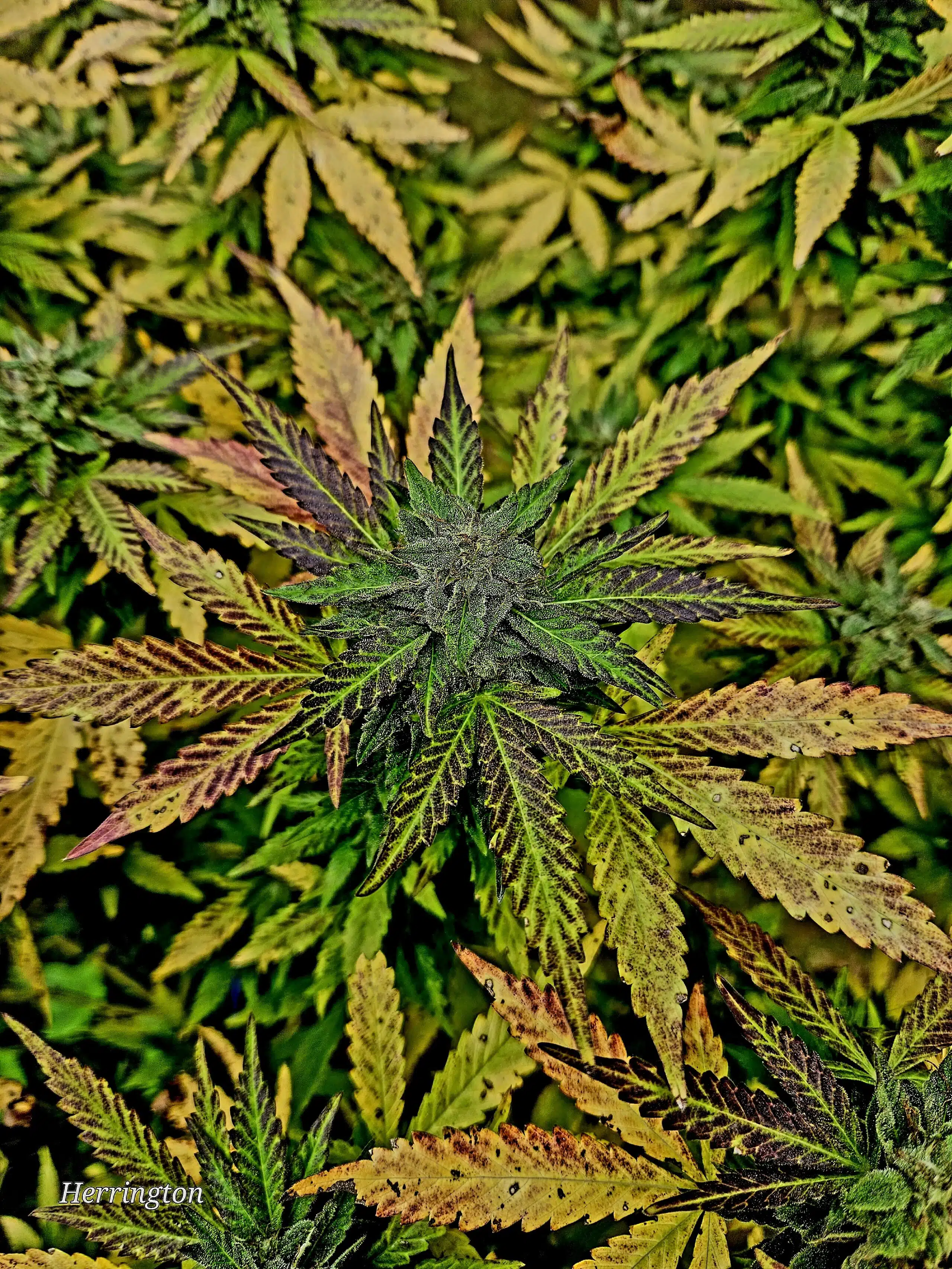
Leaf tips turning brown usually indicate excessive fertilizer.
Reducing nutrient strength slightly often corrects the problem before permanent damage occurs.
High Humidity During Flowering
Dense flowers can trap moisture if humidity remains too high.
Maintain humidity below 45% during the final weeks while ensuring continuous airflow throughout the canopy.
Strong Aroma
Late flowering plants develop an intense sweet strawberry and citrus fragrance that becomes increasingly noticeable.
Indoor growers should install an efficient carbon filter if odor control is important.
Flowering Time, Harvest, Yield & Drying Strawberry Lemonade
One of the biggest reasons growers enjoy Strawberry Lemonade is that it rewards good cultivation practices with attractive, resin-heavy flowers and dependable harvests. While this cultivar isn’t the fastest flowering sativa-dominant hybrid, it finishes much quicker than many traditional sativas while still producing excellent yields.
Most Strawberry Lemonade plants flower for approximately 9–10 weeks indoors after switching to a 12/12 light cycle. Outdoor growers in North America can usually expect harvest during early to mid October, depending on local weather conditions.
Patience during the final two weeks is important. Harvesting too early often reduces terpene development and overall potency, while harvesting too late can shift the effects toward a heavier, more sedating experience.
How to Know When Strawberry Lemonade Is Ready for Harvest
Rather than relying only on flowering times, experienced growers inspect the trichomes.
Using a jeweler’s loupe or digital microscope allows you to monitor resin gland development accurately.
Generally, growers look for:
- Mostly cloudy or milky trichomes for maximum THC potency
- Around 10–20% amber trichomes for a slightly more relaxing effect
- White pistils turning orange and curling inward
- Swollen calyxes with dense resin coverage
Waiting until the flowers fully mature usually produces noticeably stronger aromas and better flavor after curing.
Expected Indoor Yield
Under optimized indoor conditions, Strawberry Lemonade can produce impressive harvests considering its relatively manageable flowering time.
Growers commonly achieve:
- 500–600 g/m²
- Dense, resin-coated flowers
- Medium to large colas
- Excellent bag appeal
LED lighting combined with proper canopy management often produces the most consistent results.
Because this cultivar stretches during early flowering, maintaining an even canopy helps maximize light penetration across every bud site.
Expected Outdoor Yield
Outdoor plants become considerably larger when given unrestricted root space and full sunlight.
Healthy outdoor plants commonly produce:
- 900–1200 grams per plant
- Large branching structures
- Long, spear-shaped colas
- Heavy trichome production
Warm, dry autumn weather allows Strawberry Lemonade to fully express its terpene profile before harvest.
Regions with prolonged rain near harvest should monitor humidity carefully, as dense flowers can become susceptible to bud rot if moisture remains trapped inside the canopy.
Drying Strawberry Lemonade Properly
Harvest is only the halfway point.
Many growers spend months producing healthy plants only to lose flavor, aroma and potency by drying too quickly.
Slow drying preserves cannabinoids while allowing chlorophyll to break down naturally.
Ideal drying conditions include:
- Temperature: 60–68°F (15–20°C)
- Relative Humidity: 55–60%
- Complete darkness
- Gentle air circulation (never blowing directly onto flowers)
Most branches require 7–14 days before they’re ready for trimming.
A simple test is bending a smaller branch.
If it snaps cleanly instead of bending, the flowers are usually ready for curing.
Curing for Maximum Flavor and Aroma
Proper curing transforms good cannabis into exceptional cannabis.
Place trimmed flowers into airtight glass jars filled approximately 70–75% full.
For the first two weeks:
- Open jars once or twice daily for 10–15 minutes.
- Allow fresh air to replace excess moisture.
- Monitor humidity carefully.
Many experienced growers use humidity packs to maintain around 58–62% RH during long-term storage.
Although buds become smokable after two weeks, Strawberry Lemonade continues improving for several more weeks.
After four to eight weeks of curing, the sweet strawberry aroma becomes noticeably richer while the bright citrus notes become more pronounced. The smoke also becomes smoother, allowing the full terpene profile to shine through.
Is Strawberry Lemonade Worth Growing?
If you’re looking for a productive, flavorful and rewarding sativa-dominant hybrid, Strawberry Lemonade deserves a place in your garden.
Its combination of vigorous growth, generous yields and exceptional terpene production makes it a favourite among growers who enjoy fruity cannabis strains. While it stretches more than many indica varieties, growers who manage the canopy properly are rewarded with beautiful resin-covered flowers and consistently strong harvests.
The cultivar performs well indoors, outdoors and in greenhouses, adapts to a variety of growing methods and responds positively to techniques such as topping, LST and SCROG. With a flowering time of around nine to ten weeks and harvests that regularly exceed 500 g/m² indoors, it offers an excellent balance between production and quality.
If you’re planning to grow this award-winning cultivar, start with stable genetics. Our Strawberry Lemonade Feminized Cannabis Seeds are selected for vigorous growth, excellent germination rates and reliable performance from seed through harvest.
Whether you’re adding another fruity cultivar to your collection or searching for a productive daytime strain, Strawberry Lemonade is an excellent choice for growers who value flavour, resin production and dependable yields.

Alexander Broodryk is a very skilled grower and has been writing about his experiences online for many years. With over 5 years in the Cannabis Industry Alexander is not only engaging with many of his audiences but also informational. Alex has a lot of writings about Cannabis all over online and we are very happy to have him here at The Seed Fair helping to contribute his well thorough content for our website. He is dedicated to educating readers on the latest developments and trends in this rapidly evolving market. Check out his biography under our Author pages at Alexander Broodryk, Author at The Seed Fair.