How to Grow Black Truffle Cannabis: Indoor and Outdoor Growing Guide
Oct
Black Truffle is one of those cannabis strains that quietly earns a loyal following. While it isn’t as widely known as classics like OG Kush or Gelato, growers who have cultivated it appreciate its heavy resin production, complex terpene profile, and dependable harvests. Its combination of dense flowers, impressive trichome coverage, and relaxing effects has made it a sought-after cultivar among experienced growers looking for something a little different.
One of the biggest advantages of Black Truffle is its adaptability. It performs well indoors where environmental conditions can be carefully managed, but it also thrives outdoors in warm climates with plenty of sunshine. Although we consider it a medium-difficulty strain, growers who maintain proper temperature, humidity, and nutrition are usually rewarded with high-quality flowers covered in sticky resin.
If you’re looking for premium genetics before you begin your grow, our Black Truffle Feminized Cannabis Seeds are bred for vigorous growth, high germination rates, and consistent female plants. Starting with stable genetics makes every stage of cultivation much easier.
This guide covers everything you need to know about growing Black Truffle successfully, from choosing the right environment to maximizing yields at harvest.

Black Truffle Genetics and Plant Characteristics
Genetics
Black Truffle is believed to be a cross between Gelato 33 and an undisclosed second parent. While the complete lineage remains something of a mystery, the influence of Gelato is immediately noticeable in both the plant’s appearance and resin production.
This indica-dominant hybrid typically expresses approximately 60% indica and 40% sativa genetics, creating plants that remain manageable while still producing vigorous vegetative growth and substantial flower development.
THC levels commonly range between 20% and 27%, while CBD remains very low. The dominant terpene profile often includes caryophyllene, limonene, and terpinolene, producing earthy aromas layered with citrus, herbs, spice, and subtle sweetness.
Plant Structure
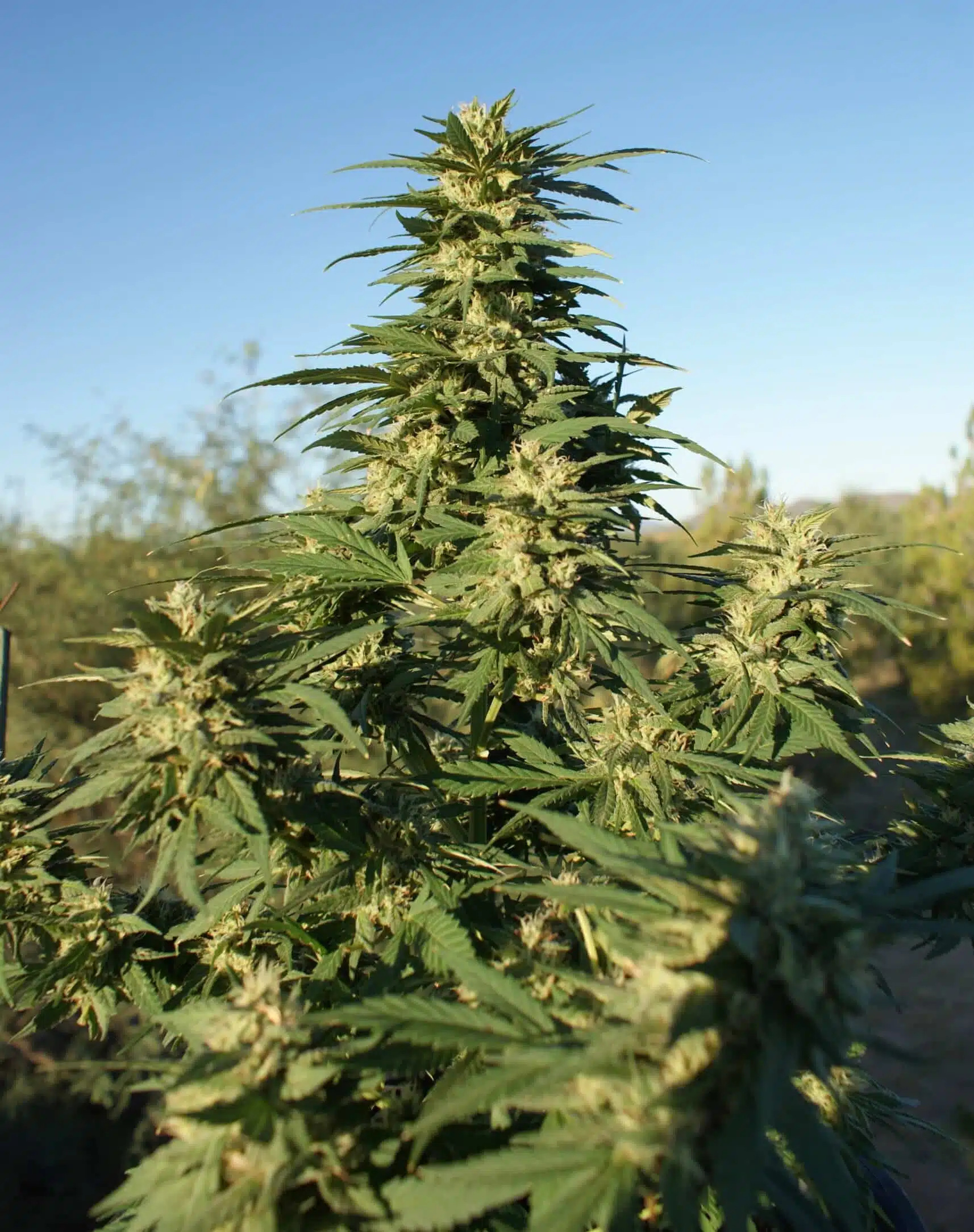
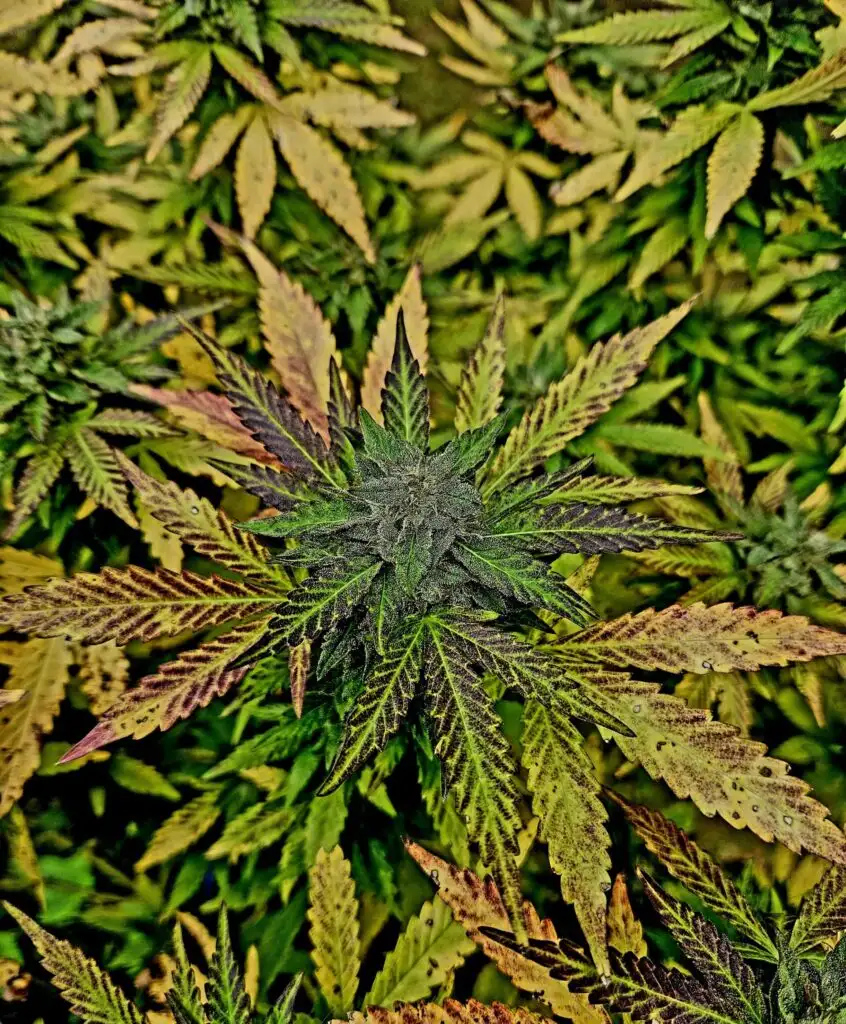
Black Truffle develops into a medium-sized cannabis plant with sturdy lateral branching and relatively tight internodal spacing. During vegetative growth it naturally forms a thick canopy, making airflow management especially important once flowering begins.
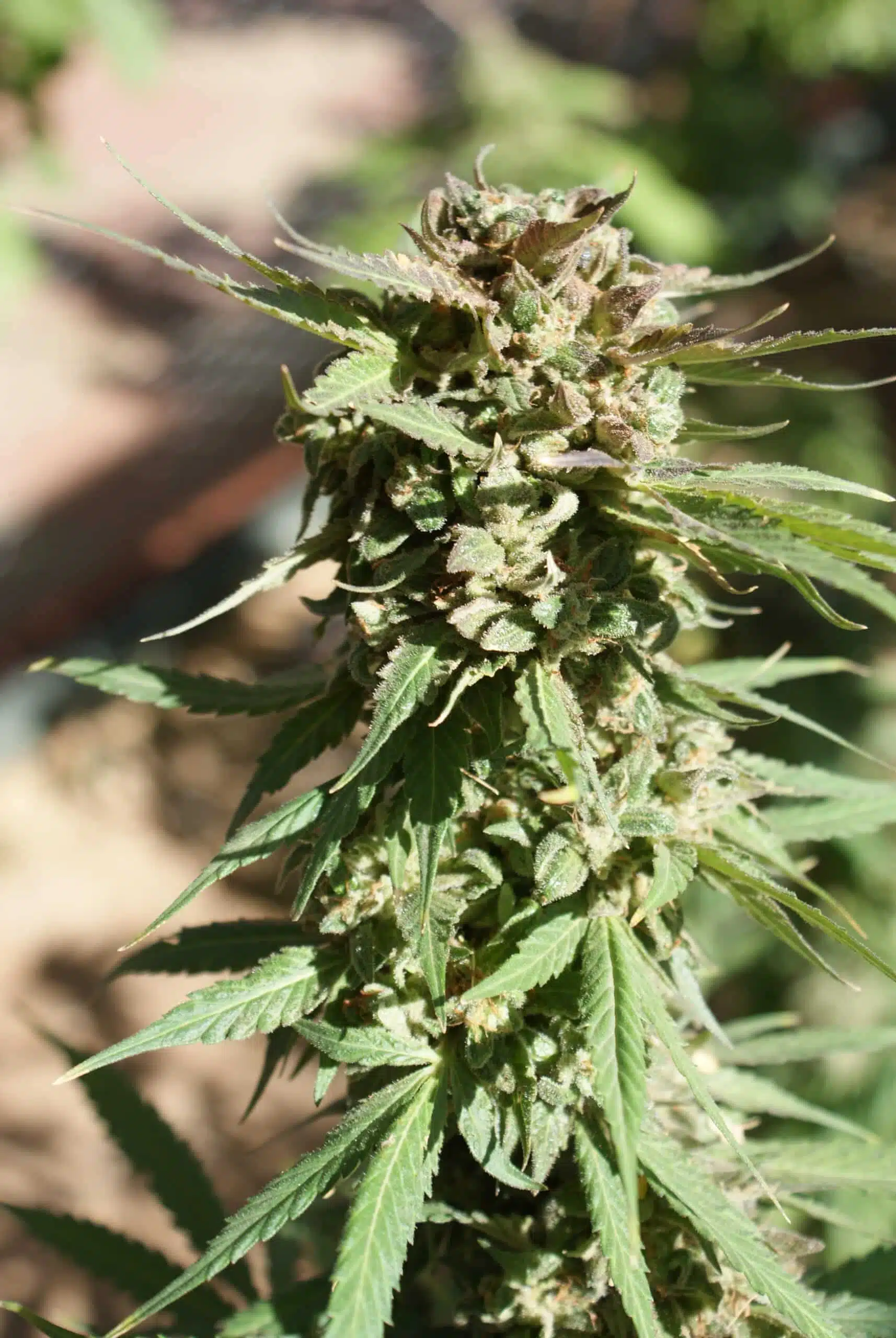
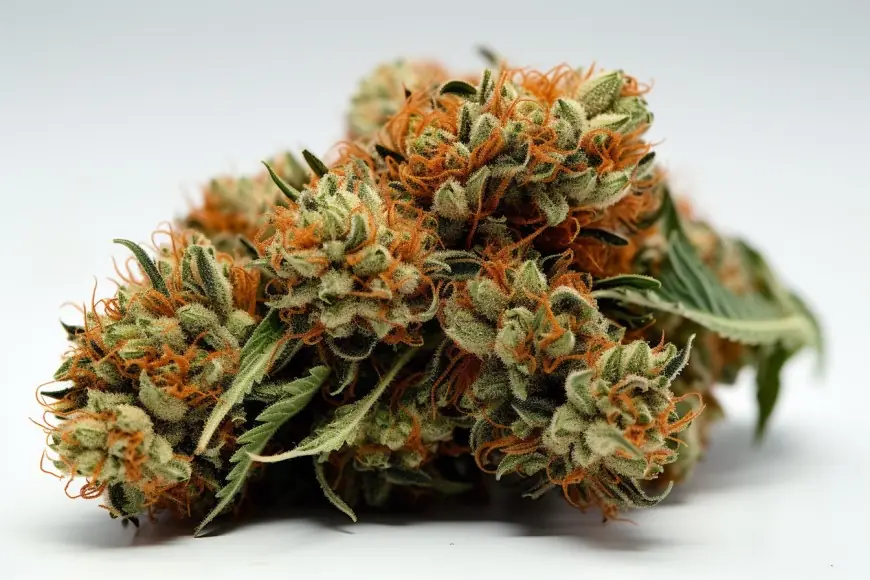
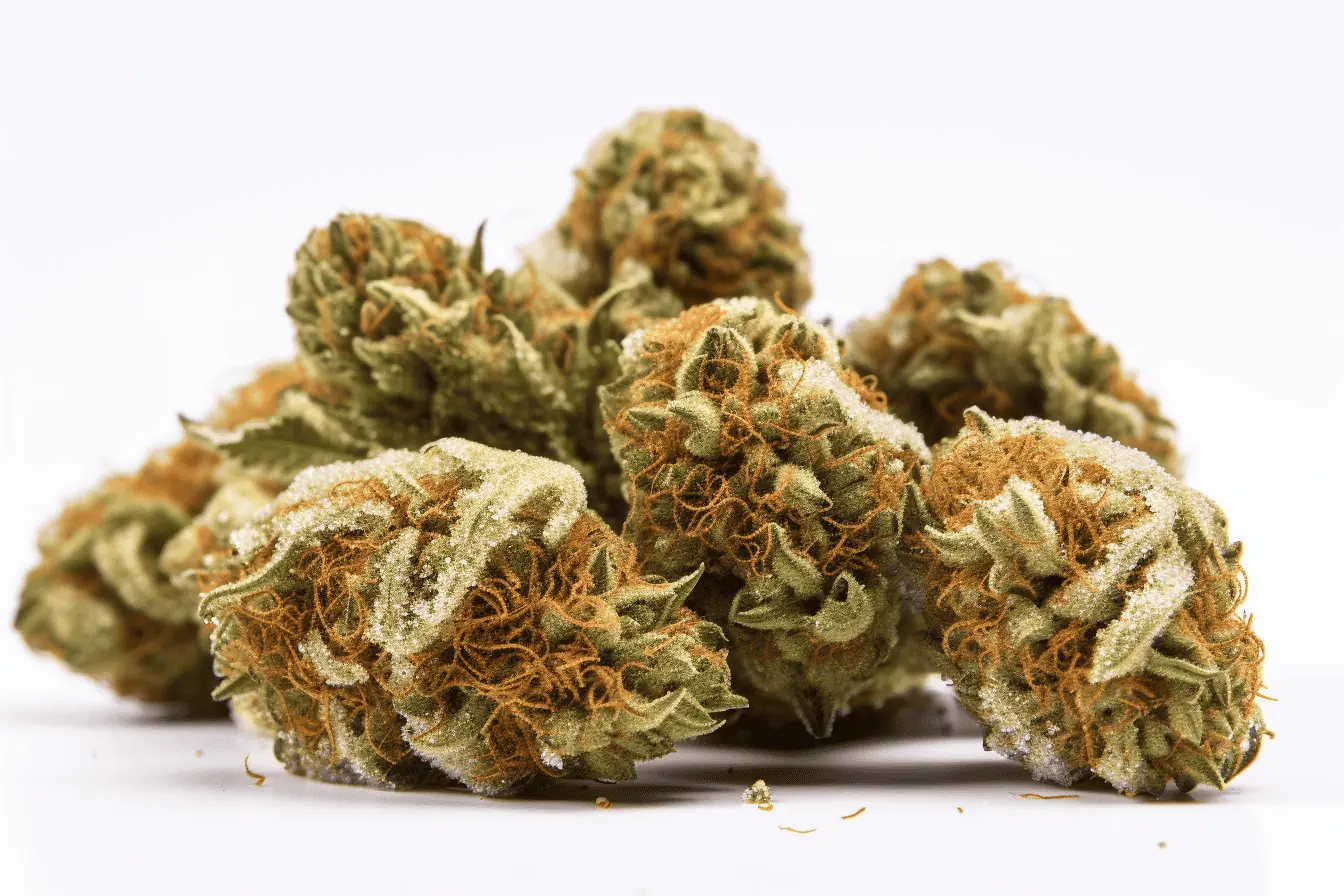
The buds become extremely dense as they mature. Large calyxes stack tightly together beneath a heavy coating of sticky resin, often displaying deep green coloration with purple highlights depending on nighttime temperatures and phenotype.
One of the first things growers notice near harvest is just how resinous this cultivar becomes. Trimming Black Truffle can quickly coat scissors and gloves with thick layers of trichomes—a good indication of its excellent bag appeal.
Grow your own Black Truffle
- GROW DIFFICULTY MEDIUM
- FLOWERING TYPE PHOTOPERIOD
- FLOWERING TIME 8-9 WEEKS
- HARVEST TIME September
- YIELD (INDOOR) 500G/M²
- YIELD (OUTDOOR) 550G/PLANT
- HEIGHT (INDOOR) MEDIUM
- HEIGHT (OUTDOOR) MEDIUM
Is Black Truffle Easy to Grow?
We would rate Black Truffle as a medium-difficulty strain.
It isn’t particularly demanding, but it rewards growers who maintain stable environmental conditions throughout the grow cycle. Dense flowers require good airflow and humidity control, particularly during the final weeks of flowering.
Compared to many modern dessert hybrids, Black Truffle is relatively forgiving. It responds well to common training techniques, tolerates moderate feeding schedules, and produces consistently when basic cultivation principles are followed.
For growers who already have one or two successful harvests behind them, this strain makes an excellent next step.
Black Truffle Feminized Seeds
THC: 27%
Yield: 550 Grams per plant
Flowering Time: 8 – 9 Weeks
- EXPRESS SHIPPING 1-5 DAY*
- GERMINATION GUARANTEED*
- FREE SEEDS WITH EVERY ORDER
1 Reviews
Growing Black Truffle Indoors
Indoor cultivation allows Black Truffle to reach its full potential. The ability to precisely manage lighting, temperature, humidity, and airflow helps maximize resin production while reducing the risk of mold developing inside the dense flowers.

Growing Black Truffle Indoors
Indoor cultivation allows Black Truffle to reach its full potential. The ability to precisely manage lighting, temperature, humidity, and airflow helps maximize resin production while reducing the risk of mold developing inside the dense flowers.
Lighting Requirements
Black Truffle thrives under high-quality full-spectrum LED lighting. Strong light intensity encourages tighter internodal spacing and heavier bud formation throughout the canopy.
During vegetative growth, maintain an 18/6 light schedule to encourage vigorous branching and foliage development.
Once your plants have reached the desired size, switch to a 12/12 flowering cycle to initiate bloom. Consistent light schedules are essential, as interruptions can stress plants and reduce overall performance.
Temperature and Humidity
Stable environmental conditions produce healthier plants and larger harvests.
Aim for:
- Vegetative stage: 70–80°F (21–27°C) with 55–65% relative humidity
- Early flowering: 68–78°F (20–26°C) with 45–50% humidity
- Late flowering: 65–75°F (18–24°C) with 40–45% humidity
Lower humidity during the final weeks helps protect the thick flowers from bud rot while encouraging heavy resin production.
Airflow
Proper airflow is one of the most overlooked aspects of growing Black Truffle.
Oscillating fans should gently move air throughout the canopy without directly blasting the plants. Good circulation strengthens stems, reduces stagnant pockets of humid air, and greatly lowers the chance of fungal diseases developing inside dense colas.
Installing an efficient exhaust system with a carbon filter also helps regulate temperature while controlling the strain’s strong aroma during flowering.
Growing Medium
Black Truffle performs well in several different growing systems.
Living soil remains a favorite among many experienced growers because it encourages healthy microbial activity while enhancing terpene expression.
Coco coir offers faster vegetative growth and greater control over nutrient delivery, making it popular with intermediate growers.
Hydroponic systems can produce exceptional yields, but they require close monitoring of pH, EC, and nutrient concentrations throughout the entire grow cycle.
For newer growers, high-quality organic soil is generally the easiest and most forgiving option.
Watering
Overwatering is one of the few mistakes that can slow Black Truffle’s development.
Rather than watering on a strict schedule, check the growing medium first. Allow the top inch or two of soil to dry before watering again. This encourages healthy root development and improves oxygen availability below the surface.
Deep watering followed by adequate drying periods almost always produces stronger plants than frequent shallow watering.
Nutrient Requirements
Black Truffle responds well to moderate feeding.
During vegetative growth, prioritize nitrogen to encourage healthy leaf production and strong branching.
Once flowering begins, gradually reduce nitrogen while increasing phosphorus and potassium to support flower formation.
Calcium and magnesium supplements are often beneficial, particularly when growing under powerful LED lighting.
Avoid overfeeding. While this cultivar enjoys consistent nutrition, excessive fertilizer can cause nutrient burn, dark foliage, and reduced terpene production.
Personal Testimonies
Let’s put the spotlight on two consumer strain reviews from Leafly:
“Great strain for veteran smokers. It’s a real creeper; one minute you’re vibing, enjoying good conversation. Soon to be followed by an intense body & head high. Great for unwinding after a long shift at work.”
“Pretty solid overall. More of a body high. Definitely felt some couch lock. Relieves a ton of stress.”
Growing Black Truffle Outdoors
Black Truffle also performs extremely well outdoors when grown in the right climate. While indoor cultivation offers complete environmental control, outdoor plants benefit from full-spectrum sunlight, unrestricted root growth, and the natural biology found in healthy soil.
If you live in a region with warm summers and a relatively dry autumn, Black Truffle can produce large, resin-coated plants that rival indoor harvests.
Ideal Climate
Black Truffle prefers conditions similar to many modern indica-dominant hybrids.
For the best results, provide:
- Daytime temperatures between 70–85°F (21–29°C)
- Cooler nights around 60–70°F (15–21°C)
- Moderate humidity throughout vegetative growth
- Lower humidity as flowering progresses
- At least six to eight hours of direct sunlight each day
Because the flowers become exceptionally dense, prolonged periods of rain late in flowering can increase the risk of bud rot. If wet weather is expected near harvest, inspect plants regularly and remove any affected flowers immediately.
Choosing the Right Location
Selecting the right growing location has a major impact on both yield and flower quality.
Choose an area that receives uninterrupted sunlight throughout most of the day while still allowing good airflow around each plant. Avoid placing plants near walls, fences, or dense shrubs where stagnant humid air can collect.
Healthy soil with excellent drainage is equally important. Heavy clay soils tend to retain too much moisture, while loose, organic-rich soil encourages rapid root development and vigorous plant growth.
Many growers amend native soil with compost, worm castings, perlite, and peat moss before transplanting seedlings outdoors.
Watering Outdoor Plants
Outdoor irrigation depends largely on local weather conditions.
During periods of high temperatures, mature Black Truffle plants may require deep watering every few days. Rather than watering lightly every day, thoroughly soak the root zone before allowing the soil to partially dry.
Deep watering encourages roots to grow downward, making plants more drought tolerant during the hottest parts of summer.
Applying a layer of organic mulch around the base of each plant also helps retain moisture, regulate soil temperature, and suppress weeds.
Feeding Outdoor Plants
Outdoor Black Truffle plants generally require less frequent feeding than indoor crops thanks to naturally occurring nutrients found in healthy soil.
Feed regularly throughout vegetative growth using a balanced fertilizer rich in nitrogen.
As flowering begins, transition toward bloom nutrients containing higher phosphorus and potassium levels to encourage large, resinous flowers.
Organic amendments such as compost tea, bat guano, kelp meal, fish hydrolysate, and worm castings can further improve soil biology while supporting healthy microbial activity around the root zone.
Supporting Heavy Buds
One characteristic many growers notice is how quickly Black Truffle flowers gain weight during late bloom.
Without support, heavy branches may bend or even snap under the weight of mature buds.
Installing bamboo stakes, tomato cages, or soft trellis netting early in flowering prevents damaged branches while allowing flowers to receive even sunlight and airflow.
Best Growing Medium for Black Truffle
Black Truffle adapts well to several cultivation methods, although each offers different advantages depending on your growing experience.
Living Soil
Living soil is one of the best choices for growers focused on flavor and terpene production.
Healthy microbial populations slowly break down organic matter into plant-available nutrients while helping create complex aromas and smoother finished flowers.
Many experienced growers believe organically grown Black Truffle expresses richer flavors than plants grown using synthetic fertilizers alone.
Coco Coir
Coco coir combines many of the benefits of soil with the speed of hydroponic growing.
Roots receive excellent oxygen while nutrients remain highly available throughout the growing cycle.
Plants typically grow faster in coco, but irrigation and nutrient management require closer attention than traditional soil cultivation.
Hydroponics
Hydroponic systems can produce exceptional growth rates and impressive yields when managed correctly.
Because nutrients are delivered directly through water, plants often develop rapidly during both vegetative growth and flowering.
However, hydro systems demand careful monitoring of pH, electrical conductivity (EC), reservoir temperature, and dissolved oxygen. Small mistakes can affect plant health much faster than in soil.
Unless you’re already comfortable growing hydroponically, high-quality soil or coco remains the easier option for Black Truffle.
Training Techniques to Increase Yield
Black Truffle responds extremely well to plant training. A little work during vegetative growth can significantly improve light penetration, airflow, and final harvest weight.
Low-Stress Training (LST)
Low-stress training is one of the safest techniques for this cultivar.
By gently bending and tying branches outward, you create a flatter canopy that allows more light to reach lower bud sites. Instead of producing one dominant cola, the plant develops multiple large flowering tops.
Topping
Topping encourages Black Truffle to branch more aggressively.
Removing the main growing tip early in vegetative growth creates two dominant leaders instead of one, increasing overall bud production while helping maintain a manageable plant height indoors.
Screen of Green (ScrOG)
Black Truffle performs exceptionally well in a ScrOG setup.
Training branches through a horizontal screen creates an even canopy where every flowering site receives similar light intensity.
Many indoor growers find ScrOG significantly increases both yield and flower consistency.
Selective Defoliation
Removing a small number of large fan leaves during late vegetative growth and early flowering improves airflow while exposing lower bud sites to additional light.
Avoid excessive defoliation, however. Healthy leaves remain the plant’s primary energy source throughout flowering.
Moderation always produces better results than aggressive pruning.
Common Growing Problems
Like most premium hybrid cannabis strains, Black Truffle is relatively resilient when grown in a healthy environment. Most cultivation problems are caused by environmental conditions rather than genetics. Catching issues early allows you to correct them before they affect yield or flower quality.
Bud Rot
The dense flowers that make Black Truffle so desirable can also make it susceptible to bud rot if humidity becomes too high during flowering.
Reduce humidity to around 40–45% during the final weeks, maintain strong air circulation throughout the canopy, and avoid watering late in the day if you’re growing outdoors.
Powdery Mildew
Poor airflow combined with excess humidity can lead to powdery mildew appearing on leaves.
Regular pruning, proper plant spacing, and consistent ventilation significantly reduce the risk. If mildew appears, remove affected leaves immediately before it spreads.
Nutrient Burn
Black Truffle responds well to moderate feeding but doesn’t require excessive nutrients.
Dark green leaves with burnt tips often indicate overfeeding. Reduce nutrient strength and flush the growing medium with pH-balanced water if symptoms become severe.
Overwatering
Many growers unknowingly slow plant growth by watering too frequently.
Allow the growing medium to partially dry before watering again. Healthy roots require oxygen as much as they require moisture.
Pests
Spider mites, fungus gnats, aphids, and thrips can occasionally appear, especially during outdoor grows.
Inspect both sides of leaves regularly and address infestations early using beneficial insects or organic pest management products before populations become established.
Flowering Time, Harvest and Expected Yield
One of Black Truffle’s strengths is its relatively short flowering period combined with impressive flower density.
Indoor growers can generally expect flowering to finish in approximately 8–9 weeks, while outdoor plants are usually ready for harvest during late September through early October, depending on local climate.
Indoor Yield
Under quality LED lighting and proper environmental control, Black Truffle commonly produces:
- 500–600 g/m² (approximately 18–21 oz/m²)
Actual harvest size depends on lighting intensity, training methods, nutrition, and overall plant health throughout flowering.
Outdoor Yield
Outdoor plants grown in full sun with nutrient-rich soil often produce:
- 500–600 g per plant (approximately 18–21 oz)
Larger containers, longer vegetative periods, and consistent watering can increase yields even further.
When to Harvest
While flowering times provide a helpful guideline, the best indicator is always trichome maturity.
For the ideal balance of potency and terpene preservation:
- Mostly cloudy or milky trichomes indicate peak THC production.
- Around 10–20% amber trichomes provide a slightly heavier, more relaxing effect.
- Harvesting too late may reduce THC while increasing cannabinoid degradation.
Using a jeweler’s loupe or digital microscope makes determining harvest timing much easier.
Drying and Curing Black Truffle
Growing premium cannabis is only part of the process. Proper drying and curing preserve everything you’ve worked for.
After harvest:
- Trim away large fan leaves.
- Hang branches upside down in a dark room.
- Maintain temperatures between 60–70°F (15–21°C).
- Keep humidity around 55–60%.
- Ensure gentle air circulation without blowing directly onto the flowers.
Most plants require 7–14 days to dry.
Once stems begin snapping instead of bending, transfer buds into airtight glass jars.
Open the jars once or twice daily during the first two weeks to release excess moisture before reducing burping frequency over the following month.
A proper cure lasting four to six weeks allows Black Truffle’s earthy, sweet, citrus, and spicy aromas to fully develop while creating smoother smoke.
Frequently Asked Questions
Is Black Truffle suitable for beginners?
Although we classify Black Truffle as a medium-difficulty strain, growers with a basic understanding of watering, nutrition, and environmental control can produce excellent harvests. Beginners willing to monitor their plants closely should have little trouble.
Does Black Truffle grow better indoors or outdoors?
Both environments produce excellent results.
Indoor cultivation offers greater environmental control and more consistent flower quality, while outdoor plants can become larger and produce heavier harvests in warm climates.
How tall does Black Truffle grow?
Plants generally remain medium in height, reaching approximately 4–6 feet (1.2–1.8 m) depending on growing conditions and training techniques.
Does Black Truffle produce a strong aroma?
Yes.
During late flowering, this cultivar develops a pungent aroma featuring earthy, sweet, herbal, citrus, and diesel-like notes. Indoor growers should consider using a quality carbon filter.
Is Black Truffle a high-yielding strain?
Yes.
When grown under optimal conditions with proper training, Black Truffle consistently rewards growers with generous harvests of dense, resin-rich flowers.
Start Your Black Truffle Grow with Premium Feminized Seeds
Growing exceptional cannabis always begins with quality genetics.
Even the most experienced cultivator can’t reach a strain’s full potential using unstable or low-quality seeds. Strong genetics provide vigorous growth, consistent female plants, improved resistance, and reliable harvests.
If you’re ready to add this exceptional hybrid to your garden, our Black Truffle Feminized Cannabis Seeds are carefully selected for high germination rates, stable genetics, and excellent performance indoors and outdoors.
Whether you’re growing in living soil, coco coir, or hydroponics, Black Truffle rewards careful cultivation with dense, resin-covered buds, impressive yields, and outstanding bag appeal. Combine premium genetics with the growing techniques outlined in this guide, and you’ll give your plants every opportunity to reach their full potential.
Happy growing!

Alexander Broodryk is a very skilled grower and has been writing about his experiences online for many years. With over 5 years in the Cannabis Industry Alexander is not only engaging with many of his audiences but also informational. Alex has a lot of writings about Cannabis all over online and we are very happy to have him here at The Seed Fair helping to contribute his well thorough content for our website. He is dedicated to educating readers on the latest developments and trends in this rapidly evolving market. Check out his biography under our Author pages at Alexander Broodryk, Author at The Seed Fair.