

Brain Damage Autoflower Seeds
 Acalpuco Mexican X Hawaiian X Mango

Derived from a cosmic mashup of Acapulco Mexican, Hawaiian, and Mango strains, Brains Damage autoflower gets you a THC level of 17% and an 80/20 Indica/Sativa kick. It’s like inhaling the essence of a diesel truck in a pine forest, then exhaling all your worries.
Guaranteed Safe Checkout


 Free Shipping Over $99
 Germination Guaranteed*
 No Hassle Refunds
 See our Growers using our Seeds Today!
Brain Damage Autoflower Seeds
Brain Damage Autoflower Seeds are potent 80% Indica and 20% Sativa feminized autoflower seeds created from Acapulco Mexican × Hawaiian × Mango genetics. With THC potential reaching up to 17%, this cultivar combines manageable potency, compact growth, and a bold terpene profile featuring sweet diesel, citrus, pine, fresh herbs, and skunky undertones.
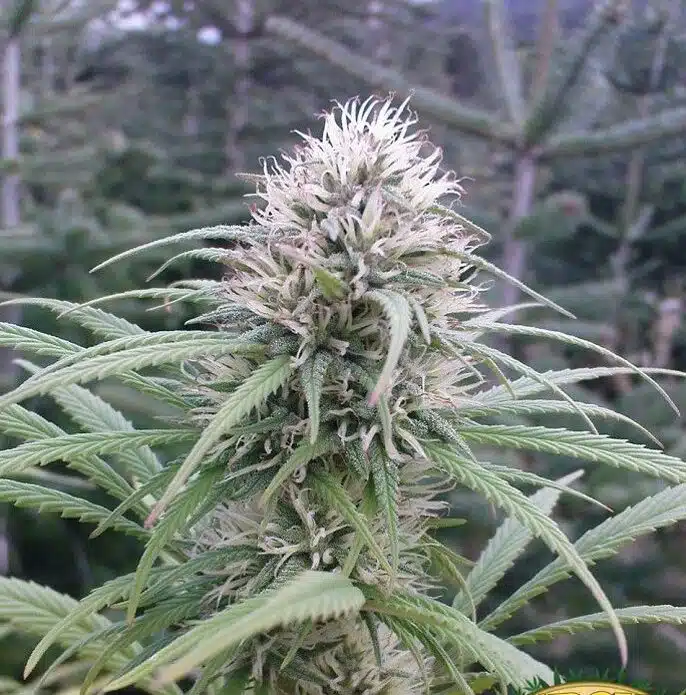
Known for producing small, resin-rich flowers with purple accents and golden pistils, Brain Damage Autoflower performs well indoors and outdoors. Its automatic flowering genetics remove the need to change the light schedule, making it a convenient option for growers seeking Indica-dominant characteristics within a relatively short lifecycle.
For growers looking for flavorful autoflower seeds with tropical lineage, manageable growing requirements, and strong outdoor harvest potential, Brain Damage Autoflower offers a dependable combination of quality, speed, and aromatic intensity.
🧠 BRAIN DAMAGE AUTOFLOWER AT A GLANCE
THC Potential: Up to 17%
Variety: 80% Indica / 20% Sativa
Seed Type: Feminized
Flowering Type: Autoflower
Genetics: Acapulco Mexican × Hawaiian × Mango
Flowering Time: Approximately 7–9 Weeks
Environment: Indoor / Outdoor
Flavor Profile: Sweet • Diesel • Citrus • Pine • SkunkyTHC levels, flowering time, plant size, aroma, flavor, and yields may vary depending on phenotype and cultivation conditions.
Why Choose Brain Damage Autoflower Seeds?
Brain Damage Autoflower combines tropical genetics with automatic flowering, dependable resin development, and a distinctive diesel-forward terpene profile.
🧬 Three-Way Tropical Genetics
Acapulco Mexican, Hawaiian, and Mango combine to create an Indica-dominant autoflower with vigorous growth, sweet aromatic notes, and colorful flowers.
✨ Visible Resin Production
Produces compact flowers covered in white trichomes and golden pistils, creating an attractive frosted appearance near harvest.
🌱 80% Indica / 20% Sativa Genetics
Its strong Indica influence supports manageable growth and dense flower development, while the Sativa side contributes vigor and citrus brightness.
⚡ Convenient Autoflower Lifecycle
Plants flower according to age rather than light-cycle changes, simplifying cultivation and supporting faster harvests.
Is Brain Damage Autoflower Right for Your Grow?
Choose Brain Damage Autoflower strains, if you are looking for moderate-to-high potency, compact plants, and an aromatic profile that combines diesel, citrus, pine, sweetness, and skunk.
Its medium structure suits grow tents, greenhouses, balconies, and outdoor gardens. Plants develop productive flower sites when provided with consistent light, sufficient root space, and balanced nutrition.
Because Brain Damage flowers automatically, growers do not need to switch to a 12/12 schedule. Early stress should still be minimized because autoflowers have limited time to recover before flowering begins.
Brain Damage Autoflower Genetics and Plant Characteristics
Brain Damage Autoflower combines Acapulco Mexican, Hawaiian, and Mango, producing an Indica-dominant cultivar known for compact development, resin production, and tropical aromatic expression.
Plants generally develop small, dark green leaves and a compact branching structure. Mature flowers may display light green coloration, purple accents, white resin glands, and golden hairs. Some buds remain partially hidden beneath surrounding foliage, making gentle canopy management useful.
Acapulco Mexican contributes vigor and citrus-spice characteristics, while Hawaiian adds tropical brightness. Mango strengthens the cultivar’s sweetness and fruity aromatic depth.
Individual plants may differ in flowering speed, height, coloration, aroma intensity, cannabinoid content, resin coverage, and overall structure depending on phenotype and growing conditions.
🧬 GENETIC PROFILE
Acapulco Mexican × Hawaiian × Mango
↓
80% Indica / 20% Sativa
↓
Feminized • Autoflower • Indica-Dominant Hybrid
Growing Brain Damage Autoflower Seeds
Brain Damage Autoflower is considered an easy cultivar suitable for new growers and experienced cultivators seeking a low-maintenance autoflower.
Plants generally reach approximately 3–4 feet and respond best to gentle low-stress training. Early branch positioning can improve canopy coverage and expose additional flowering sites without creating extended recovery time.
Indoors, temperatures between 18°C and 22°C (65–72°F) support steady growth. Relative humidity above 40% is suitable during early development, but levels should be gradually reduced as flowers become denser. Reliable airflow helps prevent moisture from collecting around the buds.
Growers can maintain an 18/6 or 20/4 light schedule throughout the lifecycle. Soil, coco, and hydroponic systems are suitable when watering, pH, and nutrient strength remain stable.
Water according to the moisture level of the growing medium rather than following a rigid daily schedule. Allowing the root zone to dry slightly between waterings improves oxygen availability and helps prevent slow growth caused by saturated soil.
Outdoors, Brain Damage Autoflower performs best in mild-to-warm weather with good sunlight, efficient drainage, and protection from prolonged rain. Its reported outdoor yield potential makes it appealing where a stable growing season is available.
Flowering Time, Height, and Yield Potential
Brain Damage Autoflower typically completes flowering in approximately 7–9 weeks, although the complete seed-to-harvest period may vary according to phenotype and cultivation conditions.
Plants generally reach 3–4 feet and can produce approximately 150 g/m² indoors and up to 600 grams per plant outdoors under favorable conditions.
The large difference between its listed indoor and outdoor yields makes strong natural sunlight and outdoor root space especially valuable. Final harvests depend on lighting, container size, root health, nutrition, airflow, temperature, watering, training, and individual phenotype.
🌱 GROW PROFILE
Difficulty: Easy
Flowering: Approximately 7–9 Weeks
Plant Structure: Compact to Medium
Environment: Indoor / Outdoor
Growth Style: Indica-Dominant Autoflower
Training: Best suited for gentle LST and light canopy management
How Potent Is Brain Damage Autoflower?
Brain Damage Autoflower offers THC potential reaching up to 17% under favorable cultivation conditions. Its 80% Indica profile supports dependable resin development, compact flowers, and moderate-to-strong potency without reaching the extreme levels associated with some modern autoflowers.
Actual cannabinoid levels vary according to phenotype, lighting, nutrition, root health, growing conditions, harvest timing, drying, and curing. Published THC percentages represent cultivar potential rather than guaranteed laboratory results.
Flavor, Aroma, and Terpene Profile
Brain Damage Autoflower develops a pungent profile combining diesel, sweet citrus, pine, fresh grass, and earthy skunk. Its aroma can become especially noticeable during late flowering.
⛽ Diesel — strong fuel-like notes form the profile’s foundation.
🍋 Citrus — bright citrus adds freshness to the heavier aromas.
🌲 Pine — crisp pine contributes a clean herbal edge.
🦨 Skunk — pungent skunk creates depth and intensity.
🍯 Sweet — gentle sweetness softens the fuel and earthy notes.
Terpenes commonly associated with this profile may include Myrcene, Limonene, and Pinene, although expression naturally varies between plants.
Reported Effects and Overall Profile
Brain Damage Autoflower is commonly associated with happiness, calmness, physical relaxation, body comfort, and sleepiness. Its effects may begin gradually before the cultivar’s stronger Indica characteristics become more noticeable.
Individual experiences vary according to cannabinoid content, terpene expression, personal tolerance, and consumption amount.
⚡ COMMONLY REPORTED PROFILE
Happy • Calm • Relaxed • Body High • Comfortable • Sleepy
Reported effects are subjective and may vary between individuals.
Who Should Choose Brain Damage Autoflower Seeds?
This cultivar may suit growers prioritizing:
- 80% Indica / 20% Sativa genetics
- Feminized autoflower seeds
- Acapulco Mexican × Hawaiian × Mango lineage
- THC potential reaching up to 17%
- Diesel, citrus, pine, sweet, and skunky flavors
- Indoor or outdoor cultivation
- Approximately 7–9 weeks of flowering
- Compact plants with strong outdoor potential
Brain Damage Autoflower is especially appealing to growers seeking manageable potency, tropical parent genetics, and a bold diesel-forward aroma.
Frequently Asked Questions
| Choose Seeds Here | 3 Seeds $39.00, 5 Seeds $60.00, 10 Seeds $110.00, 20 Seeds $200.00 |
|---|---|
| Variety | Indica Dominant |
| Flowering Time | 7-9 Weeks |
| Harvest | 600 gr |
| Height Indoors | 3-4 Ft. Medium |
| Medical | Anxiety, Depression, Insomnia, Lack of Appetite |
| Effects | Calming, Euphoric, Happy, Relaxed, Sedative, Sleepy |
| Climate | Temperate / Continental |
| Flowering Type | Autoflower |
| Sex | Feminized |
| THC Content | Moderate (15–25%) |
| CBD Content | Very Low (0-1%) |
| Primary Terpenes | Caryophylene, Limonene, Myrcene |

- Flowering Type

- Sex
- Feminized

- Variety
- 80% Indica and 20% Sativa

- Seed Bank
- Seedsman

- THC Content
- 17% THC

- CBD Content
- 0% CBD

- Yield Outdoor
- 600 grams

- Yield Indoor
- 150 gr/m²

- Flowering Time
- 7 – 9 Weeks

- Plant Height
- 3-4 Feet Medium

- Type / Outdoor
Indoor/Outdoor

- Genetic Background
- Acalpuco Mexican X Hawaiian X Mango

- Effect
- Sleepy, Happy, Body High, Calming.

- Flavour
- Smooth and Sweet, with hints of Diesel and Skunky Notes.
1 review for Brain Damage Autoflower Seeds
You must be logged in to post a review.
Edward Q –
Don’t worry, this strain won’t damage your brain at all. I was brave enough to try out and I can attest it is a grade-A weed variety. Very sweet and with superb effects.