

Thin Mint Seeds
 Durban Poison x OG Kush

Woven with threads of Durban Poison and OG Kush, Thin Mint crafts 50% Indica/50% Sativa flowers, hitting hard with a 24-28% THC content. Awarded and adored, it delivers an energizing euphoria and mint-sweet aroma
Guaranteed Safe Checkout


 Free Shipping Over $99
 Germination Guaranteed*
 No Hassle Refunds
 See our Growers using our Seeds Today!
Thin Mint Feminized Seeds
Thin Mint Feminized Seeds produce a resin-rich hybrid associated with the celebrated Girl Scout Cookies genetic family, combining the influence of OG Kush and Durban Poison. This seed line is listed as a 50% Indica / 50% Sativa hybrid, offering balanced plant development, dense flower production, and a distinctive mint-forward aroma.
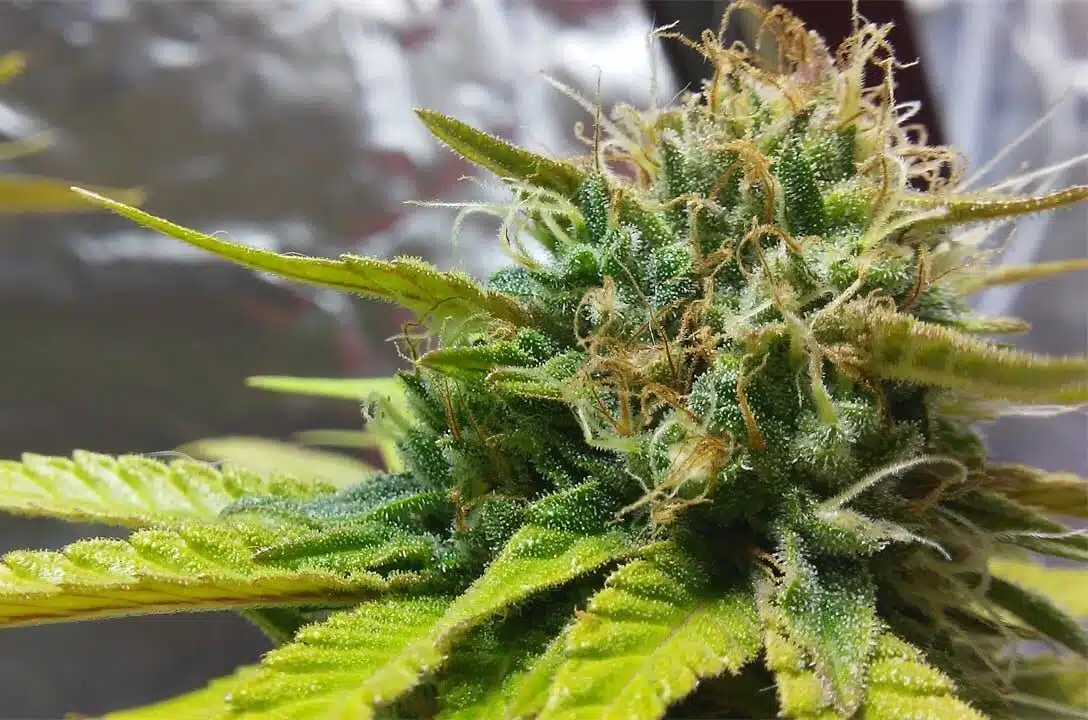
The plants can develop compact, dark green flowers with orange pistils, purple highlights, and a thick coating of sparkling trichomes. Sweet mint, cookie dough, earthiness, spice, and subtle chocolate notes create a layered profile that has helped Thin Mint become one of the most recognizable expressions within the Cookies family.
For growers comparing balanced feminized cannabis seeds, Thin Mint offers THC potential reaching up to 28%, substantial resin production, and enough indoor or outdoor flexibility to suit several cultivation styles.
🌿 THIN MINT AT A GLANCE
THC Potential: Up to 28%
Variety: 50% Indica / 50% Sativa
Seed Type: Feminized
Flowering Type: Photoperiod
Genetic Family: Girl Scout Cookies
Lineage: OG Kush × Durban Poison influence
Flowering Time: Approximately 9–10 Weeks
Environment: Indoor / Outdoor
Flavor Profile: Sweet Mint • Cookie Dough • Earthy Spice • ChocolateTHC levels, flowering time, plant size, coloration, and yield can vary according to phenotype, cultivation methods, and environmental conditions.
Why Choose Thin Mint Feminized Seeds?
Thin Mint appeals to growers who want the recognizable structure and resin production of Cookies genetics with a cooler, mint-focused aromatic profile. Its flowers can develop substantial trichome coverage, deep coloration, and the dense appearance associated with carefully grown GSC-family cultivars.
🌿 Distinctive Mint Character
Sweet mint is layered with cookie dough, earthiness, spice, and light chocolate notes.
🌱 Balanced Hybrid Development
The 50% Indica / 50% Sativa classification supports vigorous branching, moderate stretch, and dense flowering sites.
✨ Strong Resin Production
Mature flowers can become heavily frosted, making trichome development one of the cultivar’s most noticeable visual qualities.
🏡 Indoor and Outdoor Potential
Thin Mint can perform in controlled indoor gardens, greenhouses, or warm outdoor environments with sufficient finishing time.
Is Thin Mint Right for Your Grow?
Thin Mint Feminized Seeds may suit growers looking for a potent balanced hybrid with dense flowers, substantial resin production, and a sweet mint-cookie aroma.
The plants are not usually considered the simplest choice for an entirely inexperienced grower. They can respond well to attentive cultivation, but stable temperature, controlled humidity, careful feeding, and consistent airflow become especially important during flowering.
Indoor growers should account for phenotype variation. Some plants may remain comparatively compact, while others can stretch more noticeably after the lighting schedule is changed.
As a photoperiod cultivar, Thin Mint gives indoor growers control over the vegetative period. This makes it possible to shape the canopy and manage final height before initiating bloom.
Thin Mint Genetics and Plant Characteristics
Thin Mint is widely recognized as a selected phenotype or expression within the Girl Scout Cookies family. That genetic family is associated with OG Kush and Durban Poison, two cultivars that contribute contrasting but complementary characteristics.
The OG Kush side is associated with dense flower development, resin production, earthy depth, and sturdy structure. Durban Poison contributes vigor, branching, brighter aromatic qualities, and some of the upward growth seen in Cookies-family plants.
Together, these influences can produce a balanced hybrid with compact internodal spacing, moderate stretch, dark coloration, and thick trichome coverage.
Because Thin Mint has circulated as a clone and has also been recreated in seed form by different breeders, not every product carrying the name will be genetically identical. Seed-grown plants may vary in height, aroma, flowering speed, color, and potency.
🧬 GENETIC PROFILE
Girl Scout Cookies Family
↓
OG Kush × Durban Poison Influence
↓
Feminized • Photoperiod • Balanced Hybrid
Growing Thin Mint Feminized Seeds
Thin Mint generally develops into a compact-to-medium plant with productive side branches and dense flowering sites. Some phenotypes may remain short, while others can show more vertical growth as bloom begins.
Low-stress training and topping can help widen the canopy and expose more flowering sites to direct light. A SCROG setup may also be useful where growers want to manage stretch and support branches as flowers gain weight.
The cultivar’s dense buds make airflow an important consideration. Interior growth that receives little light can be selectively removed to reduce overcrowding and prevent humidity from becoming trapped inside the canopy.
Thin Mint can perform in soil, coco, or hydroponic systems. It generally benefits from balanced feeding rather than sudden increases in nutrient strength. Growers should observe leaf response and adjust gradually instead of assuming that high-potency genetics require aggressive fertilization.
Outdoors, the plants prefer warmth, direct sunlight, good air movement, and a growing season long enough to complete a nine-to-ten-week flowering period.
Flowering Time, Height, and Yield Potential
Thin Mint generally requires approximately 9–10 weeks of indoor flowering. Individual plants may finish slightly earlier or later depending on phenotype and cultivation conditions.
Your seed line is listed as short, although reported Thin Mint plants can vary substantially. Indoor height can be controlled through a shorter vegetative period and early training, while outdoor plants may become considerably taller when given more root space and seasonal growth.
Under suitable conditions, Thin Mint has the potential to produce approximately 500 g/m² indoors and up to 550 g per plant outdoors.
Lighting, phenotype, canopy management, container size, nutrition, temperature, humidity, and overall plant health all influence the final harvest. Yield estimates should therefore be treated as potential rather than guaranteed results.
🌱 GROW PROFILE
Difficulty: Moderate
Flowering: Approximately 9–10 Weeks
Plant Structure: Compact to Medium
Environment: Indoor / Outdoor
Growth Style: Branching Balanced Hybrid
Training: Suitable for LST, topping, pruning, and SCROG
How Potent Is Thin Mint?
Thin Mint is known as a high-THC cultivar, with this seed line listed at up to 28% THC under suitable cultivation conditions.
Potency can vary considerably among seed-grown plants. Phenotype, lighting intensity, environmental stability, nutrition, harvest timing, drying, and curing all influence the finished cannabinoid profile.
For growers interested in high-THC Cookies-family genetics, Thin Mint combines substantial cannabinoid potential with a memorable aroma and strong resin development. The THC figure should still be viewed as a possible upper range rather than an identical result from every plant.
Flavor, Aroma, and Terpene Profile
Thin Mint is defined by a cool, sweet aromatic character that separates it from fruit-heavy or fuel-dominant hybrids. Mint and cookie dough appear first, followed by earthiness, spice, subtle chocolate, and occasional herbal or citrus notes.
🌿 Sweet Mint — the fresh characteristic responsible for the cultivar’s name
🍪 Cookie Dough — creamy baked sweetness associated with GSC genetics
🍫 Chocolate — a softer cocoa-like note found in some phenotypes
🌶️ Earthy Spice — deeper Kush-style character beneath the sweetness
Caryophyllene, Limonene, and Myrcene are frequently associated with Cookies-family cultivars, although individual Thin Mint phenotypes may express different terpene balances. Exact terpene percentages should only be used when supported by testing from the specific seed line.
Reported Effects and Overall Profile
Thin Mint is commonly associated with an uplifting beginning that gradually develops into a calmer physical character. Reported experiences often include euphoria, focus, happiness, relaxation, appetite, and a comfortable body sensation.
Its balanced classification contributes to a profile that may feel mentally active at first without being defined entirely as an energizing cultivar.
Individual experiences vary according to cannabinoid levels, terpene expression, personal tolerance, and consumption amount.
⚡ COMMONLY REPORTED PROFILE
Euphoric • Uplifted • Focused • Relaxed • Happy
Reported effects are subjective and may vary between individuals.
Who Should Choose Thin Mint Feminized Seeds?
Thin Mint Feminized Seeds are best suited to growers who appreciate Cookies-family genetics but want a profile led by mint, baked sweetness, earthiness, and spice.
This cultivar may be a good fit if you are looking for:
- Girl Scout Cookies family genetics
- A balanced 50% Indica / 50% Sativa hybrid
- THC potential reaching up to 28%
- Feminized photoperiod seeds
- Sweet mint, cookie dough, chocolate, and earthy aromas
- Dense flowers with substantial trichome coverage
- Indoor, greenhouse, or outdoor flexibility
- Approximately 9–10 weeks of flowering
- A recognizable Cookies phenotype with strong bag appeal
Thin Mint is particularly appealing to growers willing to provide careful canopy management and environmental control in exchange for resin-rich flowers and a distinctive aromatic profile.
FREQUENTLY ASKED QUESTIONS
Thin Mint is generally regarded as a phenotype or selected expression within the Girl Scout Cookies family rather than a completely unrelated cultivar. Seed versions may differ from the original clone, so growers should expect some variation.
The original Thin Mint became known as a selected clone, while seed companies have created their own versions from related genetics. Seed-grown plants can therefore vary in height, mint intensity, color, potency, and flowering behavior.
It can become highly aromatic during flowering, with mint, sweet dough, earthiness, and spice becoming more noticeable near harvest. A properly sized carbon filter and ventilation system are useful where odor control matters.
Its dense flowers can hold moisture when airflow is poor. Humidity should be reduced during late flowering, and the interior canopy should remain open enough for air to circulate around developing buds.
Heavy defoliation is not automatically necessary. Selective removal of damaged leaves and overcrowded interior growth is generally safer than stripping large amounts of healthy foliage at once.
Yes. A healthy photoperiod plant with desirable growth, aroma, and flower characteristics can be maintained in vegetative growth as a mother. Growers should select the plant only after evaluating phenotype quality and overall health.
Growers often look for pronounced mint-cookie aroma, manageable structure, good resin coverage, healthy branching, and consistent flowering. The most potent plant is not necessarily the best keeper if its growth or aroma is inferior.
| Choose Seeds Here | 3 Seeds $39.00, 5 Seeds $60.00, 10 Seeds $110.00, 20 Seeds $200.00 |
|---|---|
| Variety | Hybrid 50/50 |
| THC Content | High (25% and above) |
| Flowering Time | 9-11 Weeks |
| Yield | 500 grams > |
| Harvest | 550 gr |
| Flowering Type | Photoperiod |
| Sex | Feminized |
| CBD Content | Very Low (0-1%) |
| Height Indoors | 2-3 Ft. Short |
| Effects | Body High, Calming, Euphoric, Giggly, Happy, Hungry, Motivate, Powerful, Talkative, Tingly, Uplifted |
| Primary Terpenes | Caryophylene, Humulene, Limonene |

- Flowering Type
Photoperiod

- Sex
- Feminized

- Variety
- 50% Indica and 50% Sativa

- Seed Bank
- Cali Connection

- THC Content
- 28% THC

- CBD Content
- 0% CBD

- Yield Outdoor
- 550 grams

- Yield Indoor
- 500 gr/m²

- Flowering Time
- 9 – 10 Weeks

- Plant Height
- 2-3 Feet Short

- Type / Outdoor
Indoor/Outdoor

- Genetic Background
- Durban Poison x OG Kush

- Effect
- Euphoric, Relaxation, Uplifted, Energetic, Focused, Hungry, Sleepy

- Flavour
- Minty as Well with a Touch of Sweetness
1 review for Thin Mint Seeds
You must be logged in to post a review.
Harry K –
The mint in this marijuana strain has gotten me hooked. i can’t say no to a puff of the Thin Mint weed variety from The Seed Fair at any time. I love it