Wet Trim vs Dry Trim Cannabis: Which Method Produces Better Results?
Jun
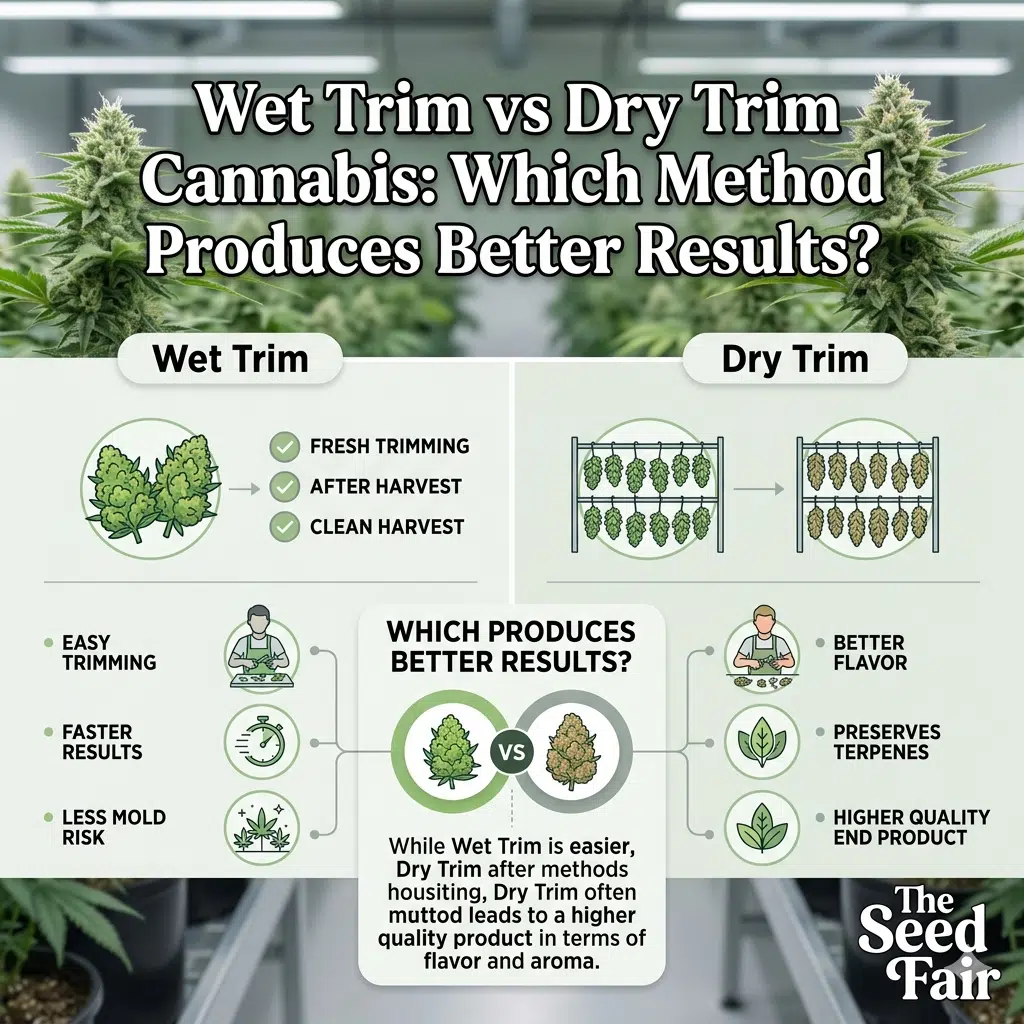
One of the first decisions growers face after harvest is whether to wet trim or dry trim their cannabis.
Both methods are widely used, and both can produce excellent results when executed correctly. The best choice often depends on environmental conditions, workflow preferences, and the type of final product being produced.
While growers frequently debate which method is superior, the reality is that each approach offers distinct advantages and disadvantages.
Understanding how wet trimming and dry trimming affect drying speed, terpene preservation, appearance, and labor requirements can help growers choose the right method for their setup.
What Is Wet Trimming?
Wet trimming involves removing sugar leaves and excess plant material immediately after harvest.
The process generally follows this sequence:
- Harvest the plant
- Remove fan leaves
- Trim sugar leaves while the plant is still fresh
- Hang trimmed buds for drying
Because the plant material is still moist, leaves are easier to manipulate and remove.
Many commercial cultivators use wet trimming because it streamlines post-harvest processing and reduces drying room clutter.
Advantages of Wet Trimming
Faster Drying
With excess leaf material removed, moisture escapes more quickly from the flowers.
This can be beneficial in environments with high humidity where mold risks are elevated.
Easier Trimming
Fresh leaves remain extended and easier to cut cleanly.
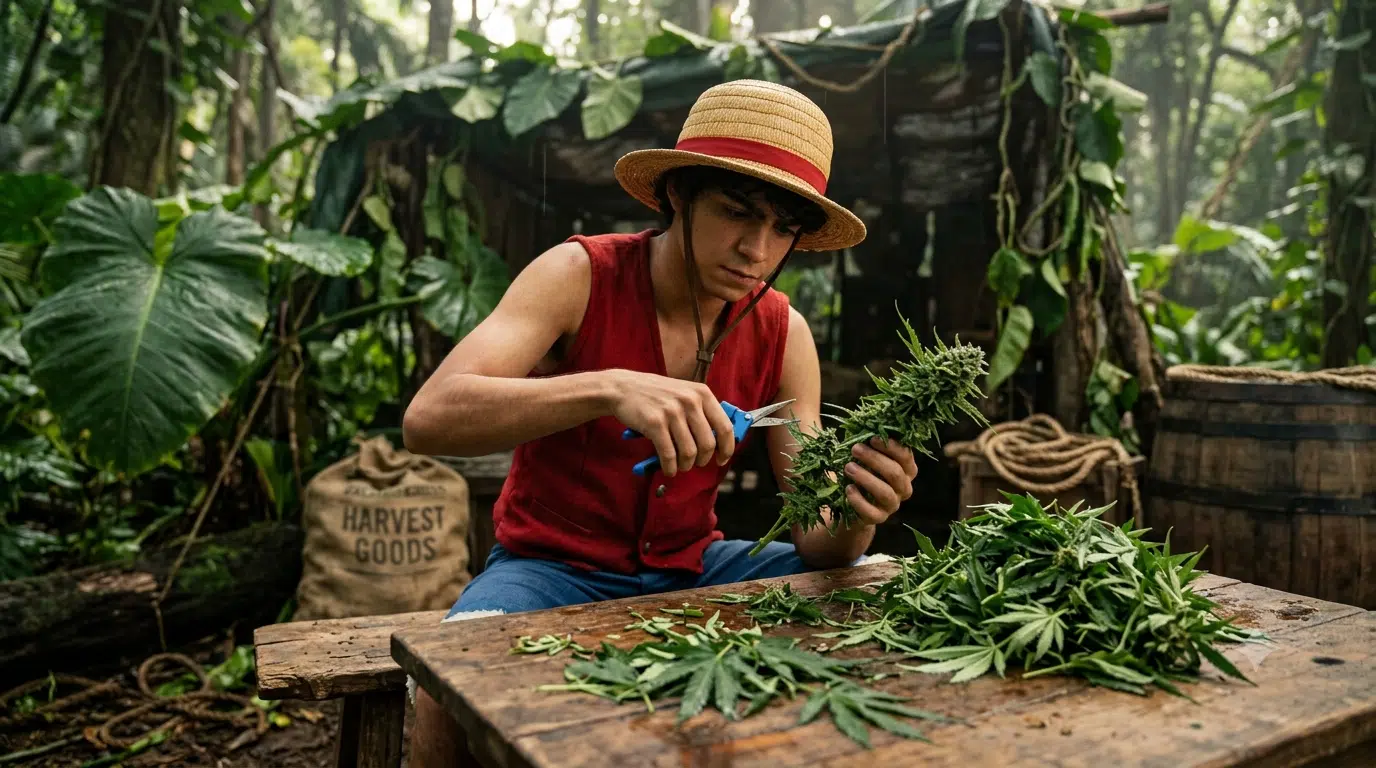
Many growers find wet trimming faster and less labor-intensive than trimming dried flowers.
Cleaner Appearance
Wet-trimmed buds often develop a polished appearance with less leaf material visible after drying.
This can improve visual presentation.
Better Humidity Control
Removing excess plant material reduces the amount of moisture entering the drying space.
This may help stabilize drying conditions in smaller grow environments.
Disadvantages of Wet Trimming
Increased Risk of Over drying
Because flowers lose moisture more quickly, there is less margin for error.
Rapid drying can negatively affect:
- Terpene retention
- Flavor development
- Smoke quality
More Handling
Fresh buds are delicate.
Excessive handling during wet trimming can dislodge trichomes and reduce resin preservation.
Less Protection During Drying
Sugar leaves naturally shield flowers during drying.
Removing them immediately exposes buds more directly to environmental fluctuations.
What Is Dry Trimming?
Dry trimming delays detailed manicuring until after the drying process is complete.
The typical workflow includes:
- Harvest the plant
- Remove only large fan leaves
- Hang branches intact
- Dry the plant slowly
- Trim sugar leaves after drying
This method leaves more plant material surrounding the flowers during moisture reduction.
Many small-scale growers prefer dry trimming because it slows drying and can help preserve aroma.
Advantages of Dry Trimming
Slower Drying Process
The remaining leaf material acts as a protective layer around the buds.
This often results in a slower, more controlled dry.
Slow drying is frequently associated with:
- Better terpene preservation
- Improved aroma
- Smoother final smoke
Reduced Trichome Disturbance
Dried flowers are generally handled less during the critical early drying stage.
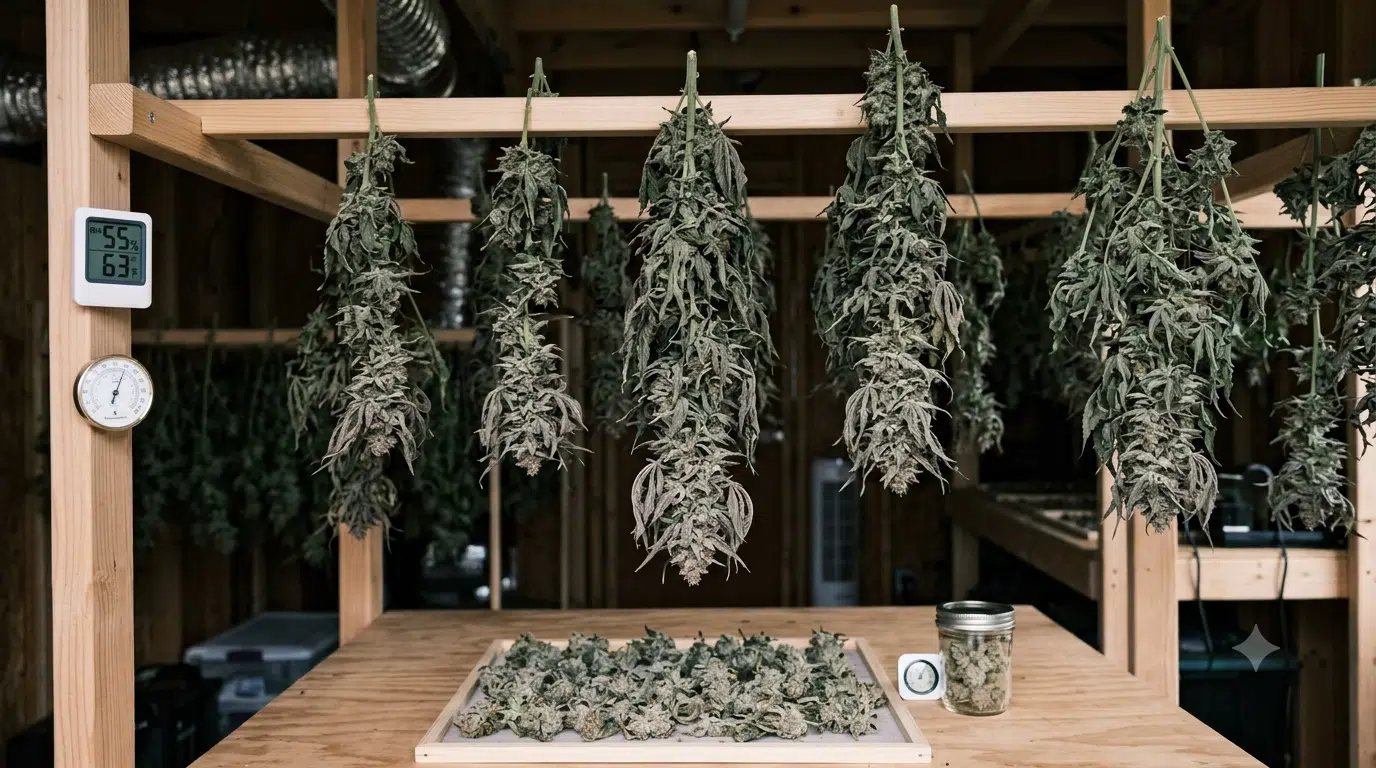
This may help preserve resin production.
Better Results in Dry Climates
Growers in low-humidity environments often favor dry trimming because it prevents flowers from drying too rapidly.
Enhanced Flavor Development
Many experienced cultivators believe dry trimming supports a more gradual moisture reduction that improves final quality.
While results vary, this is one reason dry trimming remains popular among craft growers.
Disadvantages of Dry Trimming
More Difficult Trimming
As leaves dry, they curl inward around the buds.
This makes detailed trimming more time-consuming.
Larger Drying Space Requirements
Dry trimming often involves hanging entire branches or whole plants.
This requires additional drying room capacity.
Longer Processing Time
The process cannot be completed until drying has finished.
For large harvests, this may create workflow challenges.
Wet Trim vs Dry Trim: Which Is Better?
The answer depends largely on environmental conditions.
Wet Trimming May Be Better If:
- Humidity is consistently high
- Mold risk is a concern
- Drying space is limited
- Fast processing is required
Dry Trimming May Be Better If:
- Humidity is low
- Terpene preservation is the priority
- Slower drying is desired
- Quality is favored over speed
Neither method is universally superior.
The best growers adapt their approach to their environment.
Which Method Preserves Terpenes Better?
This remains one of the most debated topics in cannabis cultivation.
Many growers believe dry trimming preserves terpenes more effectively because flowers dry more gradually.
Slower drying may reduce the loss of volatile aromatic compounds.
However, environmental control often has a greater impact than trimming style alone.
Poor drying conditions can damage terpene profiles regardless of whether wet or dry trimming is used.
Which Method Produces Better-Looking Buds?
Wet trimming often creates a cleaner and more manicured appearance.
Dry-trimmed flowers may retain a slightly more natural look depending on trimming style.
Appearance is largely a matter of personal preference and market expectations.
Quality is determined more by cultivation, drying, and curing than by trimming style alone.
Common Mistakes to Avoid
Regardless of trimming method, avoid:
- Excessive handling of buds
- High drying temperatures
- Direct airflow on flowers
- Poor humidity control
- Rushing the drying process
The goal is always preserving cannabinoids, terpenes, and flower structure.
Final Thoughts
The wet trim versus dry trim debate has existed for decades because both methods can work exceptionally well when paired with proper drying conditions.
Wet trimming offers speed and efficiency. Dry trimming often provides a slower drying process that many growers believe improves aroma and flavor preservation.
Rather than focusing solely on trimming style, successful growers prioritize environmental control, careful handling, and proper curing.
Ultimately, the quality of the final product depends far more on the entire post-harvest process than on the trimming method alone.
Ultimately, the quality of the final product depends far more on the entire post-harvest process than on the trimming method alone. Choosing between wet and dry trimming should always take your cannabis drying process and growing environment into account, as both influence how well cannabinoids and terpenes are preserved.
To see how trimming fits into harvesting, drying, curing, and long-term storage, explore our Cannabis Harvesting, Drying, Curing & Post-Harvest Processing Guide.

Alexander Broodryk is a very skilled grower and has been writing about his experiences online for many years. With over 5 years in the Cannabis Industry Alexander is not only engaging with many of his audiences but also informational. Alex has a lot of writings about Cannabis all over online and we are very happy to have him here at The Seed Fair helping to contribute his well thorough content for our website. He is dedicated to educating readers on the latest developments and trends in this rapidly evolving market. Check out his biography under our Author pages at Alexander Broodryk, Author at The Seed Fair.