Germinating Weed Seeds In Water (Simple, Fast Activation Method)
Jun
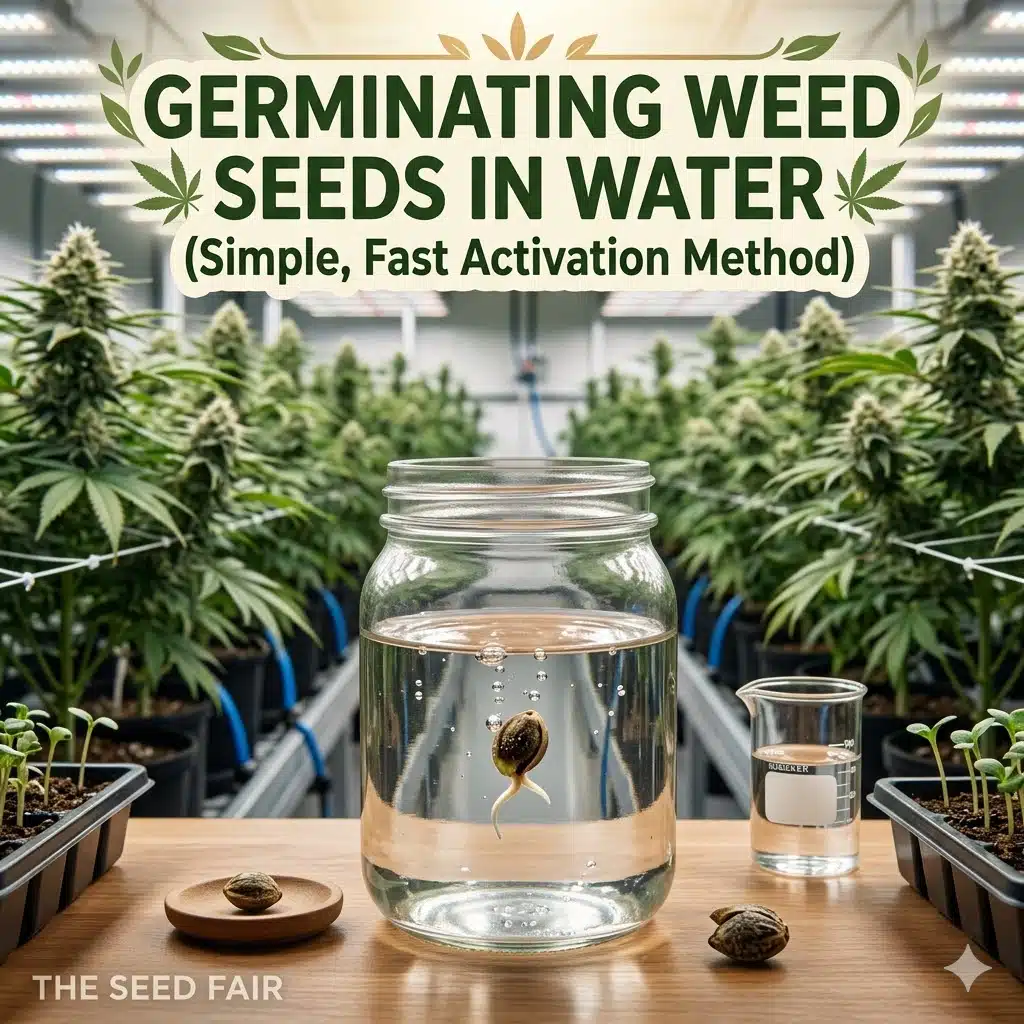
Germinating weed seeds in water is one of the simplest and fastest ways to trigger early cannabis growth. While there are multiple germination techniques used by growers, the water method stands out because it requires almost no equipment and provides immediate visual feedback on seed viability.
Instead of relying on soil or paper towels from the beginning, this method uses hydration as the main activation trigger. Cannabis seeds naturally respond to moisture by beginning enzymatic activity inside the shell, and water soaking speeds up this process in a controlled environment.
In practice, this method is often used to begin hydration before seeds are moved into another germination environment. It may also be considered for older seeds or seeds with harder outer shells, although soaking alone cannot reliably confirm whether a seed is viable.
However, like all germination methods, success depends less on complexity and more on timing, temperature, and observation.
Water soaking is one part of the broader transition from dormant seed to established seedling. Seed viability, moisture, oxygen, temperature, planting conditions, and early development all influence what happens next.
Why Germinating Cannabis Seeds in Water Works
At a biological level, cannabis seeds are designed to stay dormant until moisture signals that conditions are safe for growth.
When placed in water, the seed begins absorbing moisture immediately. This triggers internal enzymes that break down stored energy and activate the embryo inside the shell.
The key advantage of water germination is speed. Unlike soil-based methods where moisture absorption is gradual, water allows full hydration within hours.
This process helps:
- Soften the outer seed shell
- Activate internal growth enzymes
- Speed up taproot emergence
In practical growing environments, this method is often used as a pre-germination step rather than a full germination system. It gives growers a quick head start before transferring seeds into soil or another medium.
When to Use the Water Germination Method
Not every situation requires water germination. In real cultivation practice, growers tend to use it strategically.
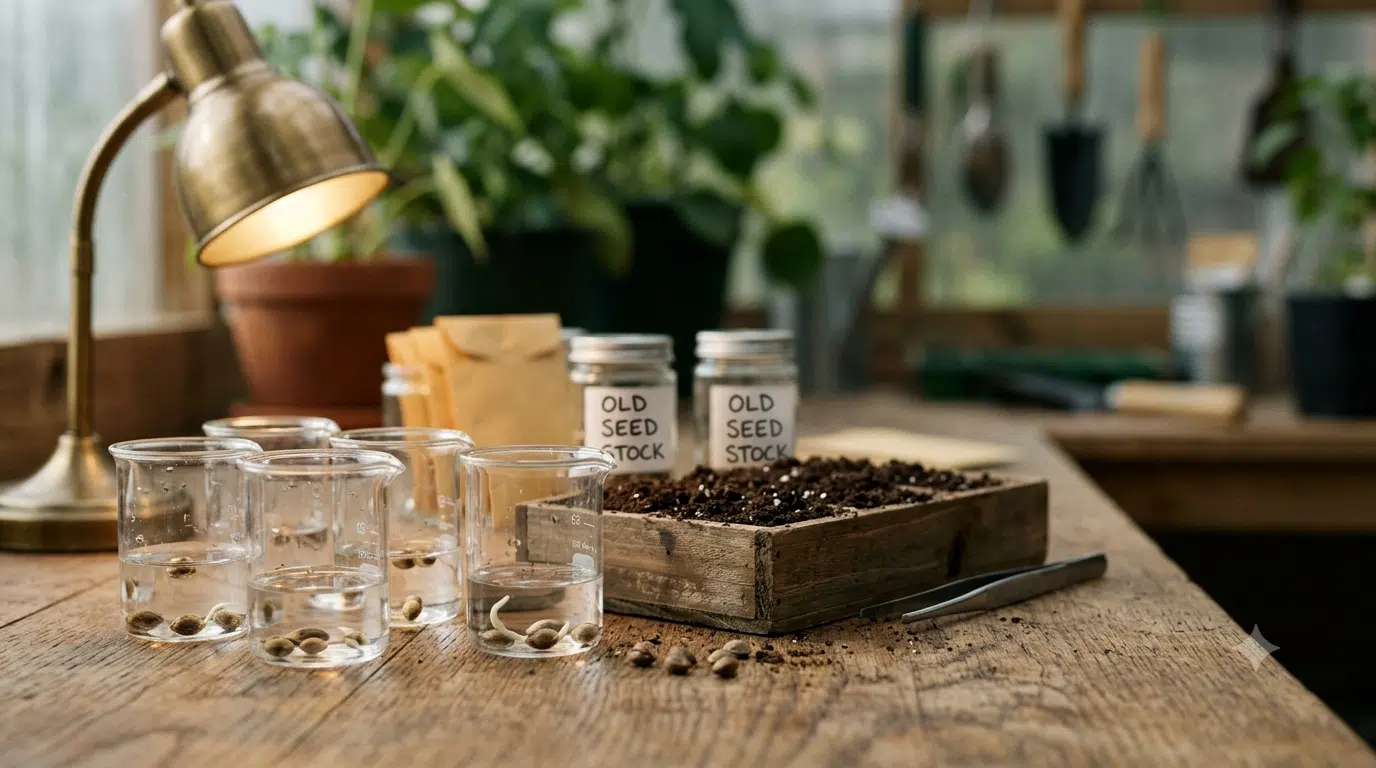
It is most effective when:
- Seeds are older or have been stored for long periods
- You want to observe early hydration and germination progress directly
- The seed shell appears unusually hard or dry
- You want faster initial activation before soil planting
From experience, newer fresh seeds often germinate just as well in soil or paper towel methods, so water soaking is not always necessary.
However, soaking makes early changes easier to observe because growers can directly monitor hydration, shell cracking, and the first signs of root emergence.
Step-by-Step Process for Germinating Weed Seeds in Water
Although the method is simple, small details significantly affect success rates.
The goal is not to “force” the seed, but to provide a stable hydration environment that encourages natural activation.
Step 1: Prepare Clean, Room-Temperature Water
Start with clean, chlorine-free water if possible. Many growers use filtered or distilled water to avoid contamination or chemical interference.
Temperature matters more than most beginners realize. The ideal range is slightly warm—around room temperature or mildly lukewarm.
If the water is too cold, germination slows significantly. If it is too hot, it can damage the seed embryo.
In practice, stable temperature is more important than exact precision.
Step 2: Place Seeds into the Water
Drop the seeds gently into a glass or small container filled with water.
At first, some seeds may float. This is normal and does not immediately indicate poor quality. Many viable seeds float temporarily due to trapped air inside the shell.
Within a few hours, most healthy seeds will begin to sink as they absorb water.
From experience, sinking is often a positive sign of hydration starting properly, but it should not be used as the only indicator of viability.
Step 3: Monitor Germination Progress Closely
This is the most important phase of the process.
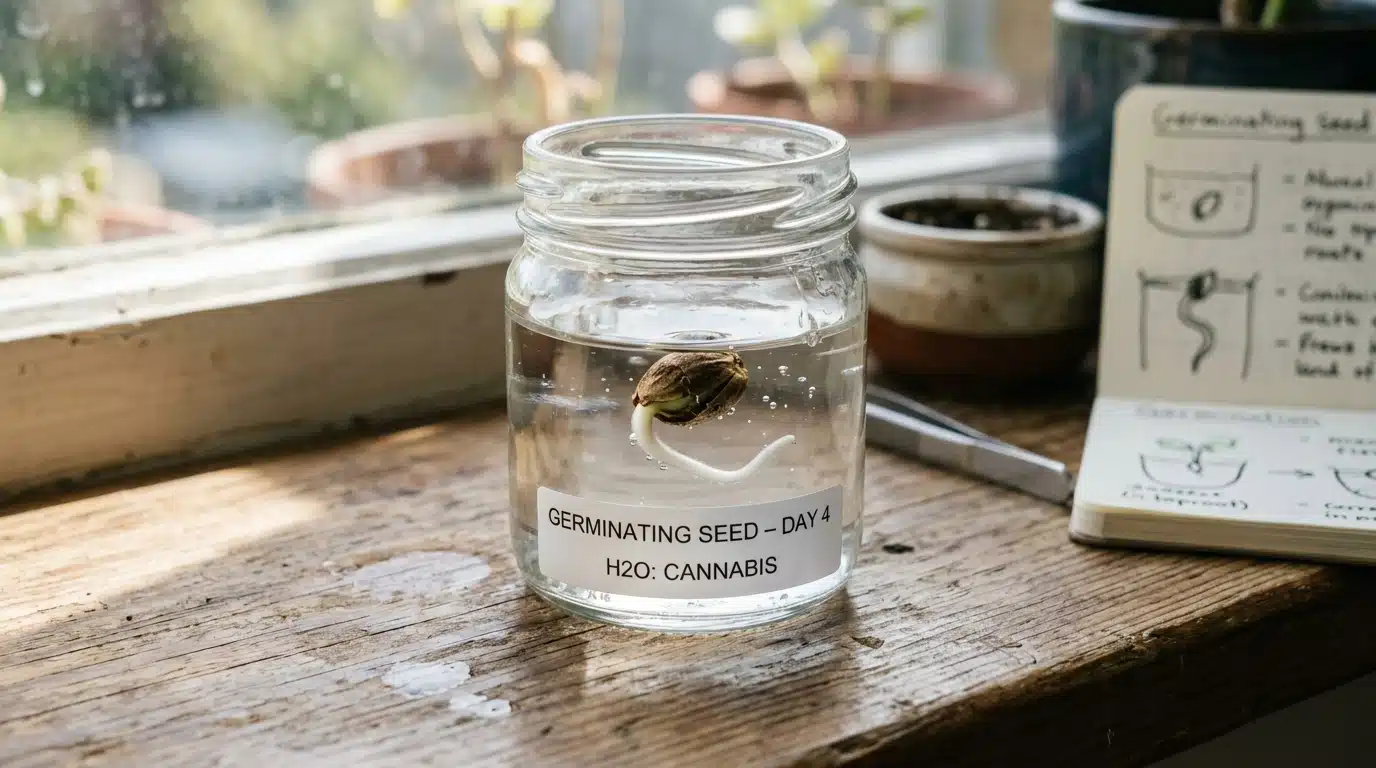
Over the next 24–72 hours, seeds will begin to show signs of activation. You may notice:
- Slight cracking of the shell
- A small white taproot emerging
This is the point where seeds are actively transitioning from dormancy to growth.
However, timing is critical. Seeds should not remain in water for too long. Extended soaking beyond 72 hours can reduce oxygen availability and increase the risk of rot or stagnation.
In real grow environments, experienced cultivators check seeds multiple times per day during this stage.
Step 4: Transfer Seeds at the Right Moment
Once early germination is visible, some growers continue by placing the seed directly into soil, where planting depth, moisture balance, and minimal handling become the main priorities.
This is the most sensitive transition point.
The seed should be handled carefully using tweezers or a gentle scoop method to avoid damaging the root.
The taproot should be positioned downward into the growing medium, as this naturally guides root development in the correct direction.
From experience, this step is where most beginner mistakes happen. Delaying transfer too long can cause tangled roots or oxygen stress, while transferring too early can interrupt activation.
Advantages of Germinating Weed Seeds in Water
The water germination method remains popular because it offers several practical benefits in real cultivation environments.
Faster Activation Time
Seeds typically begin absorbing moisture immediately, leading to faster initial response compared to dry methods.
Easy Viability Testing
Non-viable seeds are quickly identified because they fail to show changes within the expected timeframe.
Minimal Equipment Needed
No soil, paper towels, or complex setups are required—just clean water and a container.
Useful for Hard or Old Seeds
Seeds with tougher shells often respond better to direct hydration.
Common Mistakes When Germinating Seeds in Water
Despite its simplicity, this method can fail when basic environmental factors are ignored.
The most common issues include:
- Leaving seeds in water too long
- Using contaminated or chlorinated water
- Allowing temperature fluctuations
- Not transferring seeds at the right time
- Assuming floating seeds are always non-viable
When seeds fail to open or stall after soaking, the cause may involve reduced viability, temperature, prolonged submersion, contamination, or other germination conditions rather than one single mistake.
What Happens After Water Germination
Once seeds are transferred into soil or another medium, they enter the seedling phase.
At this stage, the plant is extremely delicate. The root system is still developing and relies heavily on stable moisture and low stress conditions.
Proper post-germination care includes:
- Gentle watering (not over-saturation)
- Soft lighting conditions
- Stable temperature and humidity
- Minimal handling or movement
In real cultivation environments, this is where seedlings either stabilize and grow or become stunted due to early stress.
A successful water germination process should lead to a smooth transition into soil without root damage or shock.
Water Germination vs Other Methods
While water germination is fast, it is not always the most stable long-term method.
Compared to paper towel germination, water is faster but less controlled. Compared to soil germination, it offers more visibility but less natural development continuity.
Experienced growers often combine methods:
- Water soak for 12–24 hours
- Followed by paper towel or soil transfer
This hybrid approach balances speed with stability.
Final Takeaway
Germinating weed seeds in water is one of the fastest and most straightforward ways to initiate cannabis growth.
It works because it directly activates the biological processes inside the seed using moisture as a trigger. However, success depends on timing, observation, and proper transition into a stable growing medium.
In real cultivation practice, this method is most effective when used as a starting activation step, not a full germination system.
If handled correctly, water germination provides a fast, reliable head start that leads into strong seedling development and a healthier overall grow cycle.

Alexander Broodryk is a very skilled grower and has been writing about his experiences online for many years. With over 5 years in the Cannabis Industry Alexander is not only engaging with many of his audiences but also informational. Alex has a lot of writings about Cannabis all over online and we are very happy to have him here at The Seed Fair helping to contribute his well thorough content for our website. He is dedicated to educating readers on the latest developments and trends in this rapidly evolving market. Check out his biography under our Author pages at Alexander Broodryk, Author at The Seed Fair.